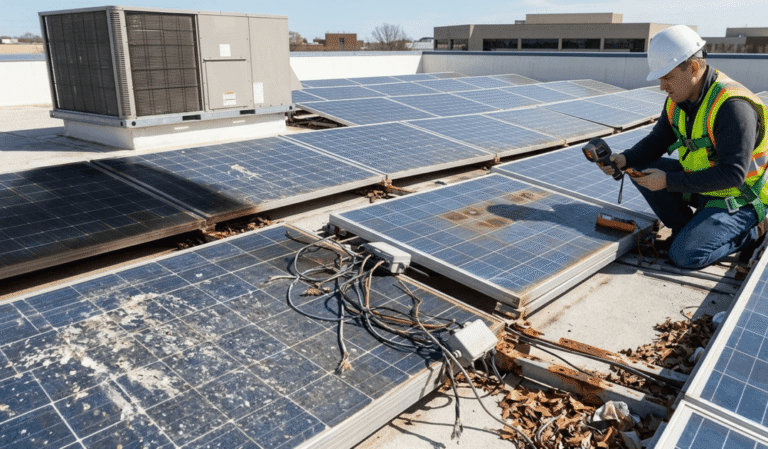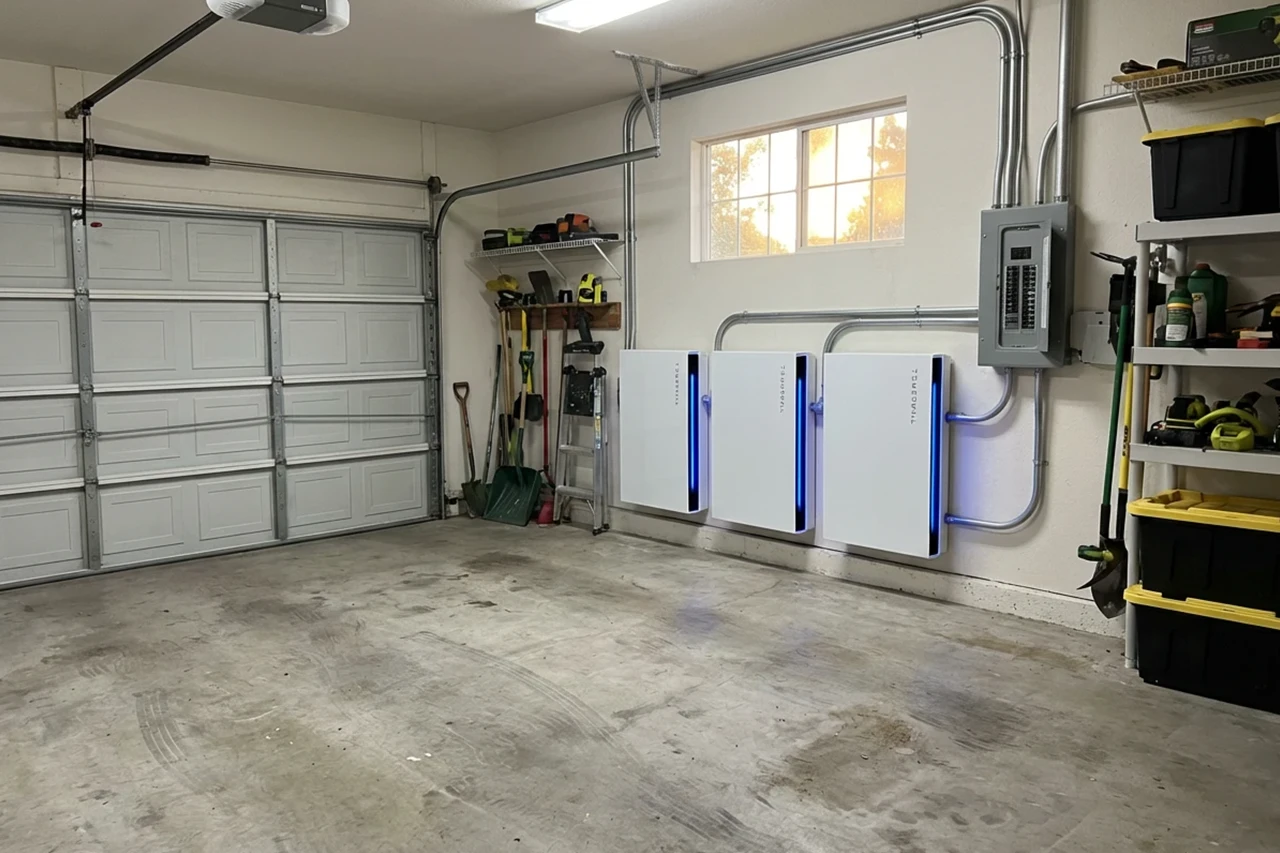
How to Reduce Battery Storage Maintenance Costs: Expert Guide
Understanding how to reduce battery storage maintenance costs is essential for facility operators looking to optimize long-term infrastructure budgets. Utility-scale and commercial energy storage facilities are expanding rapidly to support modern renewable integration, grid management, and power resilience. As these installations scale up their capacity—utilizing lithium-iron-phosphate, advanced lead-acid, or redox flow chemistries—managing the physical maintenance and diagnostics expenditures has become critical.
Optimizing maintenance spending demands an analytical approach that accounts for internal thermal dynamics, charge-cycle management, and Battery Management System (BMS) integrity. Uninformed operational choices often overlook cell microclimate influences or voltage imbalance calibrations, resulting in premature capacity degradation and expensive field service interventions. Knowing how to balance preventive maintenance with predictive analytics is the ultimate key to protecting the financial viability of energy storage assets.
Understanding “how to reduce battery storage maintenance costs”
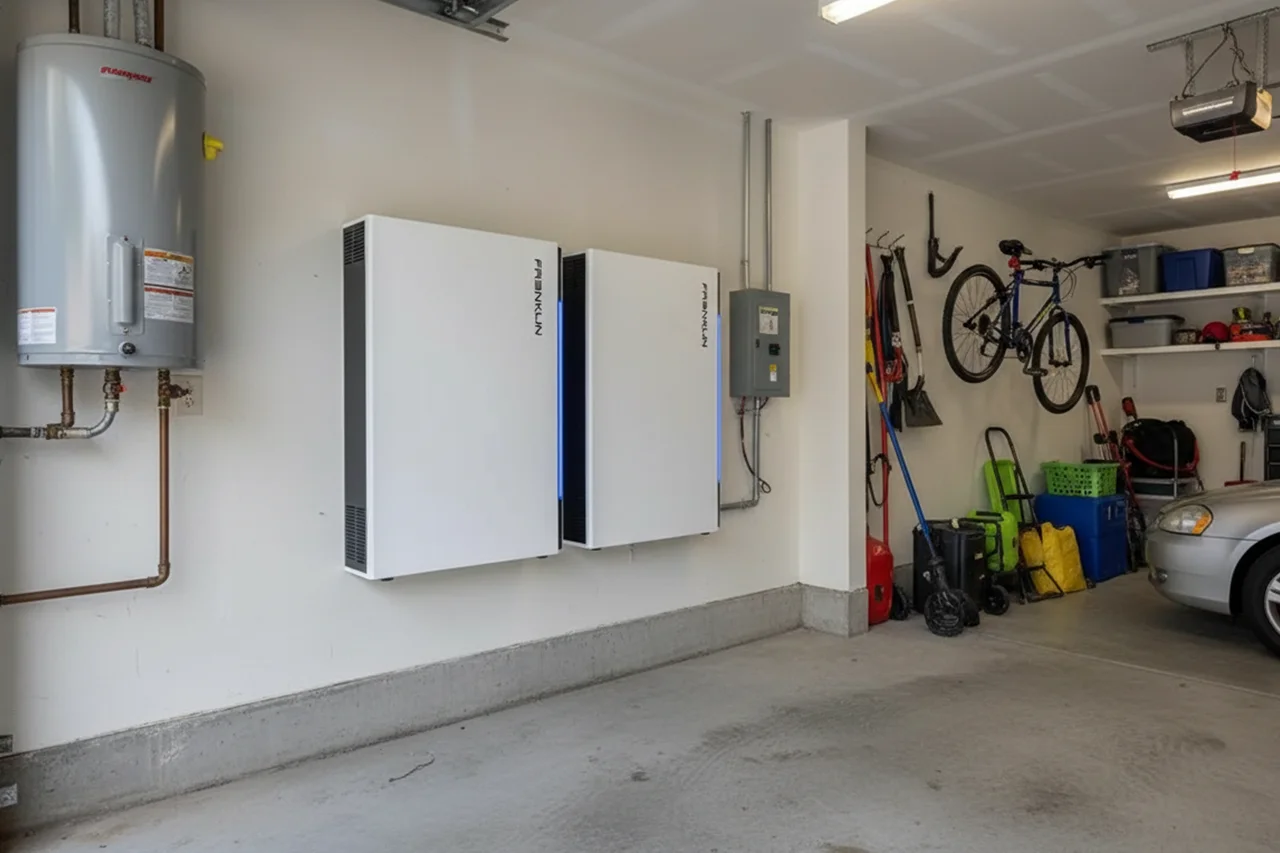
The process of learning how to reduce battery storage maintenance costs requires a deep understanding of how cell electrochemistry interacts with external thermal environments. A common oversight among facility managers is treating battery systems as static components requiring rigid mechanical upkeep rather than leveraging digital telemetry monitoring. When maintenance budgets swell, operators frequently perform reactive module replacements without investigating the root causes of cell imbalances.
The primary risk of oversimplifying maintenance is relying on generic time-based service protocols instead of data-driven schedules. For instance, servicing cell cooling systems monthly without monitoring internal resistance metrics leads to wasted labor or overlooked thermal degradation. Operators seeking guidance on how to reduce battery storage maintenance costs must evaluate charging profiles, State-of-Charge (SoC) operating windows, and BMS accuracy to minimize field interventions.
Deep Contextual Background: The Evolution of Energy Storage Maintenance
The historical trajectory of energy storage maintenance has shifted dramatically from manual procedures for flooded lead-acid batteries toward cloud-based predictive platforms for modern lithium-ion cells. Early systems required manual electrolyte level monitoring, specific gravity checks, and labor-intensive equalization charges.
As the industry transitioned to advanced lithium chemistries and large-scale grid storage, maintenance complexity shifted toward software management and precision thermal control. Modern sites integrate advanced Battery Management Systems (BMS) and machine-learning algorithms to detect cell anomalies early. Concurrently, strict Service Level Agreements (SLAs) have forced operators to minimize unnecessary operating costs to maximize capital returns, cementing the importance of knowing how to reduce battery storage maintenance costs.
Conceptual Frameworks and Mental Models
Optimizing energy storage maintenance costs efficiently requires structured mental models that synthesize electrochemical dynamics, thermal management, and digital telemetry.
1. The Condition-Based Maintenance Model
This model establishes an absolute rule: physical interventions should only occur when telemetry data or internal resistance metrics show measurable deviation from baseline parameters, eliminating wasted labor on healthy components.
2. The Thermal Management and Cell Resistance Cascade
This framework guides operators to prioritize battery enclosure thermal stability. Because degradation rates double with every increment in operating temperature, maintaining inter-cell temperature uniformity prevents internal voltage imbalances.
3. The State-of-Charge (SoC) Window Optimization Environment
This model conceptualizes battery cycle life as a function of depth-of-discharge constraints. Restricting daily operations from reaching absolute lower and upper extremes exponentially extends cell lifespan.
Key Categories, Variations, and Technical Trade-Offs
When analyzing cost reduction opportunities, operators encounter various maintenance expenditure categories. Evaluating these categories requires understanding their operational trade-offs and impacts on total cost of ownership.
1. Cooling HVAC and Enclosure Climate Control Service
Routine maintenance of cooling systems regulating rack temperatures. Prevents thermal degradation and overheating failures.
2. BMS Resync Calibration and Firmware Updates
Software updates and rebalancing of cell voltage and current sensor readings. Prevents erroneous state-of-charge reporting.
3. Internal Resistance and Block Conductance Testing
Periodic impedance measurements to detect internal terminal corrosion or early capacity loss.
4. Enclosure Cleanliness and Air Filtration Management
Replacing air filters to prevent dust accumulation that restricts cooling airflow.
5. Reactive Module Replacement vs. Preventive Intervention
Choosing between letting modules fail or replacing them early based on degradation trends.
6. Daily Power Cycle Protocol Optimization
Adjusting charge and discharge profiles to reduce mechanical stress on electrode crystal structures.
Maintenance Cost Reduction Strategy Comparison Table
| Management Approach | Time Investment | System Failure Risk | Long-Term Cost Savings | Primary Cost Drivers |
| Traditional Calendar Service | High | Moderate | Low | Routine field visit labor costs |
| Condition-Based Maintenance | Moderate | Low | High | Software analytics and sensors |
| Strict SoC Window Optimization | Low | Very Low | Very High | Deferral of major capital replacements |
| Proactive Thermal Management | Moderate | Low | High | HVAC and fan system maintenance |
| Reactive Module Replacement | High (Emergency) | High | Very Low | Express shipping and emergency labor |
Detailed Real-World Scenarios
Budget efficiency deficits and maintenance challenges manifest uniquely across commercial and utility settings. Five detailed scenarios illustrate operational constraints and decision points in masterminding how to reduce battery storage maintenance costs.
A : Commercial Facility with Cooling Failures
A 2-MWh commercial storage system experiencing recurring fan failures in a desert environment. Management installed predictive fan motor monitoring sensors and upgraded air filters, reducing emergency costs by 65%.
B : Utility-Scale Plant with Capacity Degradation
A large-scale project showing fast capacity loss due to aggressive daily cycling. Modifying inverter controls to narrow the operational SoC window stabilized capacity and deferred module replacement costs by four years.
C : Industrial Facility with Hidden Cell Imbalances
An industrial system experiencing random shutdowns resolved via a remote BMS firmware update enabling active cell balancing, eliminating physical rack disassembly.
D : Island Microgrid with Marine Corrosion
A coastal storage site applying dielectric anti-corrosion coatings to busbars and upgrading air filtration with activated carbon filters to eliminate terminal resistance issues.
E : Commercial Portfolio with Wasteful Calendar Services
A portfolio eliminating blind quarterly inspections in favor of a centralized condition-based telemetry analytics platform, cutting labor costs by 45%.
Planning, Cost, and Resource Dynamics
Financial budgeting for battery maintenance requires balancing proactive diagnostic and software expenses against emergency repair costs. Direct costs include HVAC service contracts, BMS analytics subscriptions, and impedance testing. Indirect costs involve revenue losses from unexpected downtime and express shipping for emergency modules.
Budgetary Cost and Resource Allocations
| Maintenance Resource | Traditional Reactive Model | Condition-Based Preventive Model | Proactive Optimization Model | Primary Cost Drivers |
| Telemetry & Analytics Subscription | $0 | Low ($500 – $2,000) | High ($3,000 – $8,000) | BMS software licensing and analytics |
| HVAC Thermal System Service | Minimal / Emergency | Scheduled ($1,500 – $4,000) | Proactive ($3,000 – $7,000) | Liquid vs air cooling complexity |
| Field Service Labor Costs | Very High (Emergency) | Moderate ($2,000 – $5,000) | Low ($1,000 – $3,000) | Physical site visit frequency |
| Resistance / Impedance Testing | $0 | Annual ($1,000 – $3,000) | Automated via BMS | Specialized test gear and technical skill |
| Module Replacement Contingency | Very High (Escalation) | Moderate | Low (Planned) | Lithium cell market price and logistics |
Tools, Strategies, and Support Systems
Executing strategies on how to reduce battery storage maintenance costs requires deploying specialized diagnostic instruments and digital support systems:
-
Advanced Battery Management System (BMS): Real-time monitoring of cell voltages and temperatures.
-
Cloud-Based Predictive Health Analytics: Processing historical data to estimate Remaining Useful Life (RUL).
-
Portable Internal Impedance Testers: Measuring internal resistance to detect terminal corrosion.
-
Infrared Thermal Imaging Cameras: Detecting hot spots on busbars and power terminals.
-
Airflow and Differential Pressure Sensors: Monitoring HVAC filter efficiency.
-
High-Voltage DC PPE: Safety gear for live busbar measurements.
-
Over-the-Air (OTA) Update Tools: Remote tuning of BMS parameters.
Risk Landscape and Failure Modes
1. Thermal Runaway Cascade
Cooling failure or internal short circuits spreading extreme heat across neighboring cells within a rack.
2. BMS Sensor Calibration Failure
Sensor drifts over time leading to miscalculated state-of-charge values and unacknowledged cell overcharging.
3. Busbar Joint Corrosion
Humidity control failures triggering terminal oxidation and increasing electrical resistance.
Governance, Maintenance, and Long-Term Adaptation
Maintaining operational cost efficiency requires a structured governance framework combining remote telemetry analytics with targeted preventive maintenance protocols. Asset managers must establish clear quantitative thresholds—such as voltage differentials exceeding 50mV or internal resistance increases surpassing 150% of baseline—to mandate immediate technical intervention.
Measurement, Tracking, and Evaluation
-
Quantitative Indicators: Maintenance cost per MWh per year, emergency service intervention frequency, and HVAC uptime.
-
Qualitative Signals: BMS log completeness, terminal cleanliness, and orderly cable layouts.
-
Documentation Examples: Periodic capacity degradation trend reports, BMS calibration logs, and thermal audit track records.
Common Misconceptions and Oversimplifications
-
Misconception: Letting systems run without maintenance saves money. Correction: Neglecting basic upkeep triggers costly cascade failures.
-
Misconception: Fixed calendar schedules are always reliable. Correction: Calendar servicing often wastes budget on healthy parts.
-
Misconception: Mixing cell brands for replacements is harmless. Correction: Mismatched chemistries accelerate system degradation.
Ethical, Practical, or Contextual Considerations
Balancing short-term budget savings with rigorous safety engineering standards ensures that energy storage infrastructure remains compliant, safe, reliable, and economical throughout its design lifecycle without compromising fire safety protocols or environmental standards.
Conclusion and Strategic Synthesis
Optimizing maintenance spending requires moving away from reactive repairs toward disciplined predictive analytics frameworks. By implementing advanced telemetry monitoring, charge-window optimization, and proactive thermal management, facility operators can successfully master how to reduce battery storage maintenance costs, ensuring sustained cost efficiency and long-term asset reliability.