Best Zero Carbon Communities in the US: The Definitive Guide
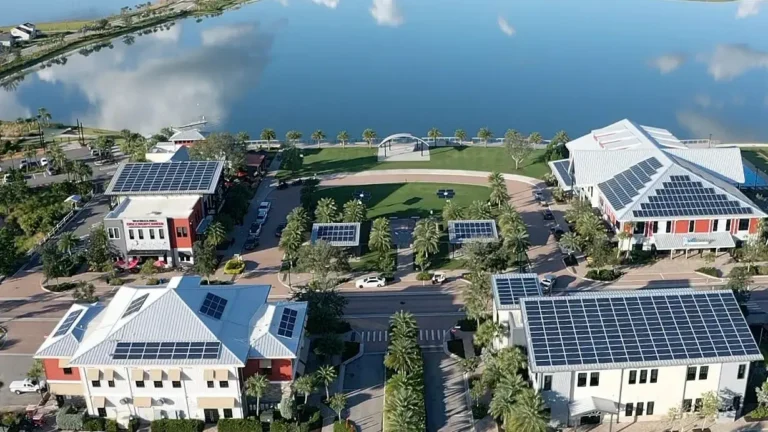
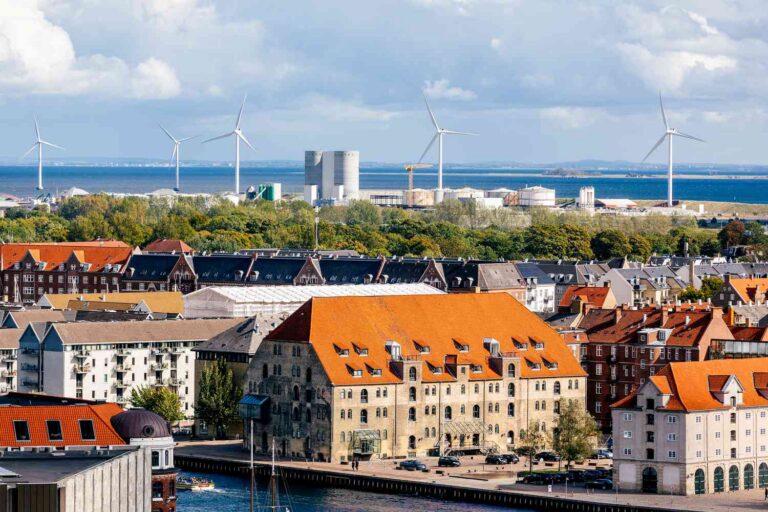
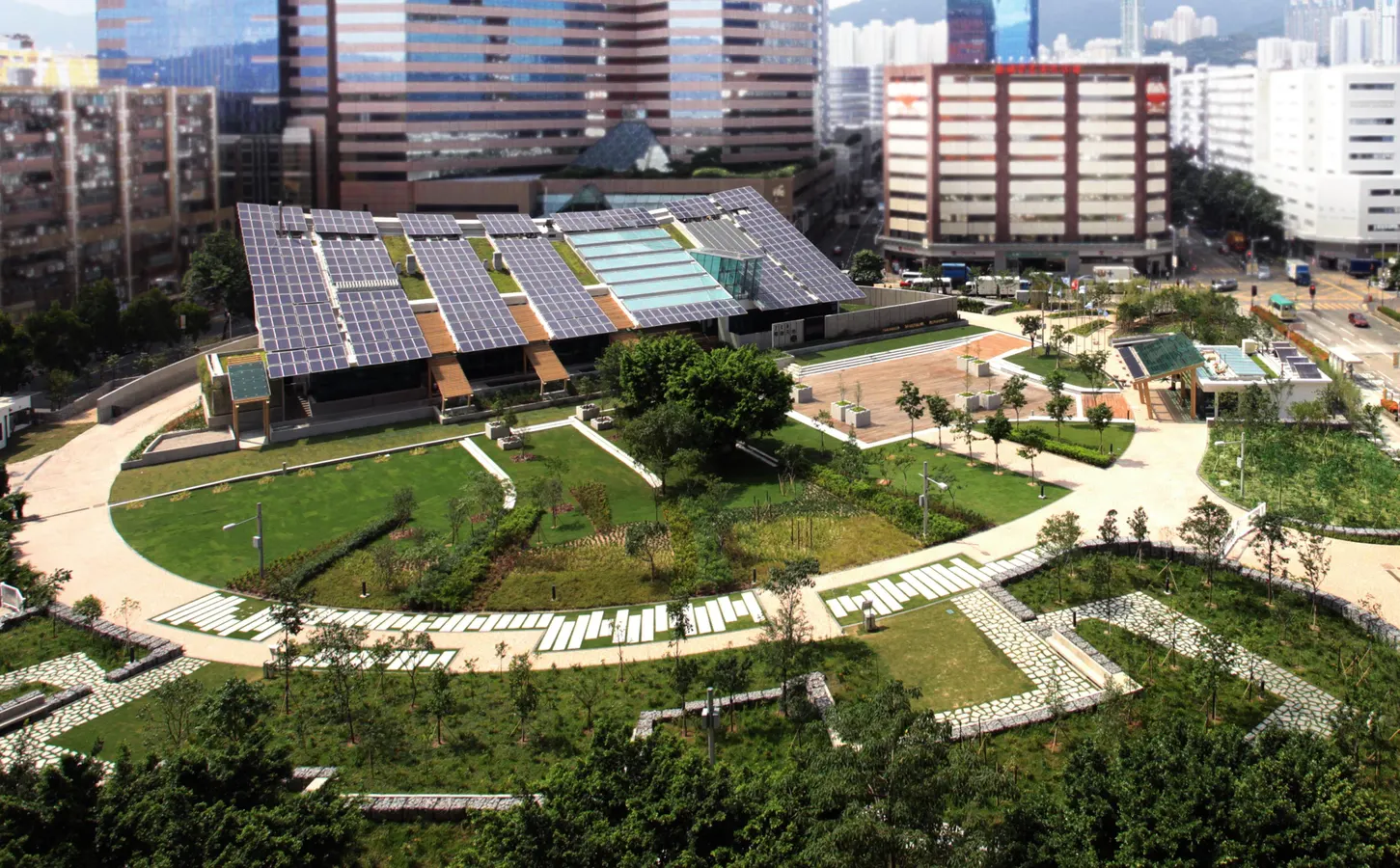
Modern urban architecture, spatial planning frameworks, and building energy efficiency standards have experienced profound paradigm shifts over the past decade. Because of this, the search for future residential models places best zero carbon communities in the us as a central focus for urban planners, environmental engineers, and large-scale property developers. Traditional residential neighborhoods characterized by fossil fuel dependence, energy waste, and high carbon footprints now face stringent regulatory pressures and ecological demands. In response, visionary planners are designing integrated communities that blend total energy efficiency, autonomous renewable energy, and eco-friendly infrastructure.
Evaluating the structural viability, long-term operational performance, and ecological integrity of these carbon-free settlements requires deep analytical rigor. This assessment must move far beyond superficial green marketing claims. Instead, it demands technical comprehension regarding the integration of district-scale photovoltaic systems, microgrids, closed-loop water management, and low-emission construction materials capable of withstanding diverse climate conditions across the United States.
Understanding “best zero carbon communities in the us”
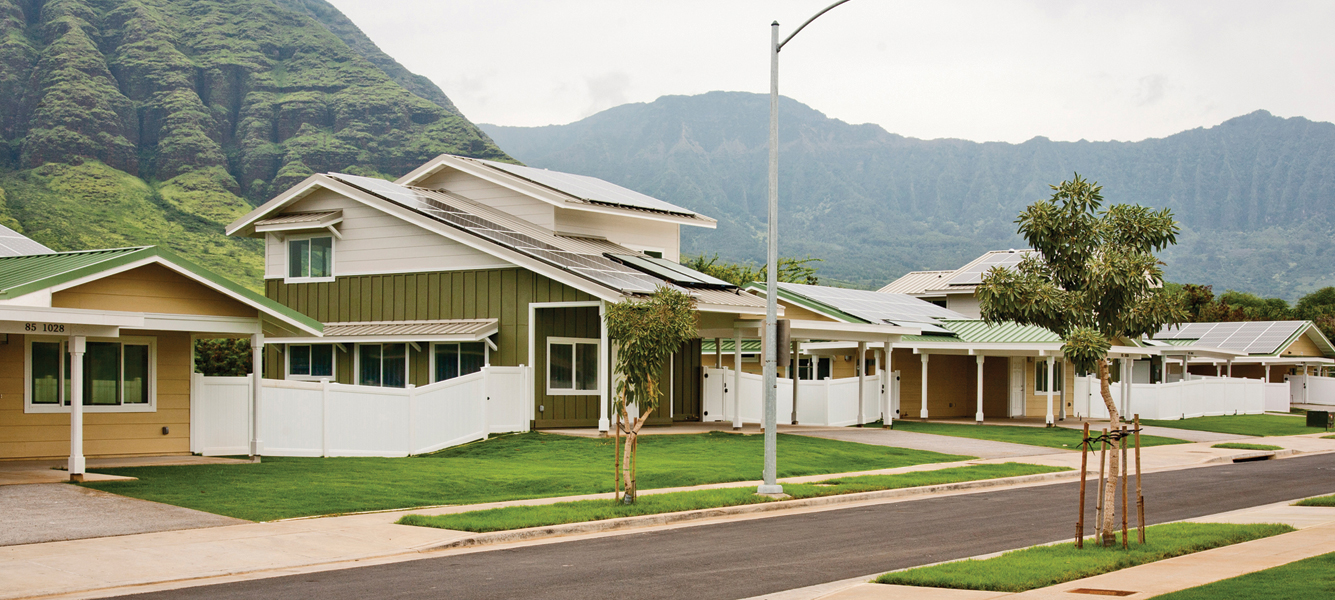
Assessing the criteria that define top-tier carbon-free communities requires analytical precision to distinguish between genuine engineering achievements and superficial housing marketing gimmicks. The category of best zero carbon communities in the us is frequently sensationalized by commercial developers to label conventional housing projects that merely install standard rooftop solar panels. In contrast, the true definition of a net-zero carbon community encompasses the holistic balance of operational emissions and embodied emissions across the entire lifecycle of the development.
A common misconception is that the mere presence of expansive green spaces automatically qualifies a development as a zero-carbon community. In reality, if the residential buildings within it still rely on natural gas heating and lack adequate thermal insulation, the cumulative community emissions remain high. Leadership communities combine passive solar orientation, district heating systems powered by geothermal or biomass sources, and comprehensive reductions in fossil-fuel vehicle mobility.
Oversimplification risks also occur when analysts calculate total solar energy production capacity without accounting for storage efficiency and local load management. Without an intelligent energy management system to govern supply and demand fluctuations, a community can experience grid instability during adverse weather events. Therefore, the structural design of superior carbon-free communities always relies on simultaneous optimization between lowering building energy consumption and supplying local renewables.
Deep Contextual Background
The evolution of carbon-free communities in the United States stems from late-20th-century ecological architecture experiments and accelerated clean energy technology advancements in the early 2000s. During earlier periods, sustainable housing projects were typically isolated and limited to single-family scales or small experimental zones. These pioneering projects frequently faced high cost barriers and a lack of regulatory infrastructure support from local governments.
Entering the 2010s, drastic cost reductions in photovoltaic solar panels, refinements in lithium-ion battery storage technology, and stringent net-zero building standards implemented in states like California drastically altered urban planning trajectories. Municipalities and private developers began designing master-planned communities explicitly engineered from inception to achieve net-zero emissions. This transformation was driven by regional climate commitments, federal tax incentives, and growing consumer awareness regarding climate resilience and long-term utility efficiency.
Conceptual Frameworks and Mental Models
Analyzing the performance of zero-carbon communities requires structured mental models to objectively gauge system effectiveness:
-
Life-Cycle Emissions Balance Model: Assesses total carbon emissions generated from construction material extraction through daily operations and eventual decommissioning.
-
District Energy Autonomy Index: Measures a development’s capacity to generate and store its own energy without relying entirely on the main utility grid.
-
Low-Carbon Mobility Matrix: Evaluates how well a neighborhood layout is designed to curb reliance on internal combustion engine personal vehicles.
-
Local Resource Metabolism Vector: Assesses the circulation efficiency of water, solid waste management, and material recycling within community geographical boundaries.
Key Categories or Variations
Carbon-free communities across the United States fall into distinct structural categories based on planning approaches and geographical contexts:
-
Master-Planned Sustainable Communities: New residential developments designed from scratch with centralized renewable infrastructure and internal transit systems.
-
Urban Brownfield Redevelopment Districts: Transformation of abandoned inner-city industrial sites into dense, efficient net-zero housing districts.
-
Cooperative Eco-Village Housing Clusters: Community-managed settlements prioritizing local agriculture, natural building materials, and shared energy resources.
-
Transit-Oriented Development (TOD) Net-Zero Districts: Vertical residential hubs surrounding public transportation nodes with strict building efficiency standards.
-
Climate-Resilient Coastal Residential Retreats: Communities in storm-vulnerable regions equipped with independent protective infrastructure and weather-hardened solar microgrids.
-
Sustainable University Residential Campuses: Institutional living complexes serving as living laboratories for clean energy technology testing.
Structural Comparison of Carbon-Free Community Models
| Community Category | Primary Energy Vector | Transportation & Spatial Strategy | Primary Vulnerability | Resilience Tier |
| Master-Planned Communities | District-Scale Solar + BESS | Pedestrian & Bicycle Pathways | High Initial Capital | High |
| Urban Brownfield Districts | Clean City Grid + Rooftop Solar | Mass Public Transit | Land Complexity | Moderate-High |
| Rural Eco-Villages | Solar + Local Biomass | Private Vehicle Restrictions | Limited Economies of Scale | Moderate |
| Vertical TOD Districts | High Efficiency + Green Imports | Rail & City Train Integration | External Dependence | High |
| Coastal Retreats | Hardened Solar Microgrids | Planned Evacuation & Water-Resistant Roads | Storms & Salt Corrosion | Maximum |
Detailed Real-World Scenarios
To understand how theoretical frameworks operate in actual situational environments, consider several distinct operational scenarios:
Scenario A: Regional Grid Failure Due to a Severe Winter Storm
A net-zero master-planned community in a cold climate experiences a total transmission grid outage caused by an ice storm that toppled utility poles. The community’s automated microgrid controller instantly detects a frequency drop and isolates the local network within milliseconds. Community solar arrays and central battery storage take over supply loads, keeping home heating systems operational. A challenge arises when heavy ice sheets coat the solar panels, forcing maintenance crews to operate thermal de-icing systems to restore energy absorption capabilities.
Scenario B: Summer Heatwave and Cooling Load Surges
In a southwestern sustainable residential development, an extreme heatwave triggers a simultaneous surge in air conditioning usage across all homes. The community’s smart energy management software distributes backup power from communal storage batteries to prevent local transformer overloads. When sudden cloud cover reduces midday solar output, the algorithm automatically restricts non-essential public facility consumption to maintain voltage stability.
Scenario C: Industrial Brownfield Transformation into a Net-Zero District
An old industrial brownfield redevelopment project is converted into a dense residential district featuring strict energy efficiency standards. All buildings utilize high-grade thermal insulation and triple-pane glazing to minimize heat loss. Nevertheless, structural challenges emerge in legacy foundations requiring historical soil pollution mitigation before underground water utility construction can be safely finalized.
Planning, Cost, and Resource Dynamics
The financial architecture of designing and building carbon-free communities involves capital investments substantially higher than conventional housing developments. Developers must allocate large budgets for land feasibility studies, microgrid engineering, large-capacity battery storage procurement, and low-carbon certified building materials. These added expenses are typically offset over the long term through near-zero operational utility costs, enhanced property resale values, and clean energy tax credit policies.
Financial and Operational Resource Metrics
| Cost & Resource Vector | Conventional Residential Community | Advanced Zero Carbon Community |
| Initial Infrastructure Capital Investment | Minimum Building Code Standards | $+25\%$ to $+60\%$ Premium for Clean Systems |
| Resident Monthly Utility Expenses | High, Dependent on Fuel Fluctuations | Minimal or Net Clean Energy Surplus |
| Long-Term Maintenance Burden | Reactive Repairs by City Utilities | Proactive Smart System Management & Planned Upkeep |
| Outage Exposure Risk | High Vulnerability to Main Grid Failures | Zero Disruption via Autonomous Microgrid Islanding |
| Asset Resale Value Retention | Standard Real Estate Market Depreciation | High Value Appreciation Due to Environmental Certifications |
Tools, Strategies, and Support Systems
Managing energy and environmental infrastructure at a community scale requires integrated technology devices and support systems:
-
District Supervisory Control and Data Acquisition (District SCADA): Centralized monitoring platforms tracking power flows, battery status, and utility loads across the district.
-
Automated Microgrid Controllers: Intelligent hardware executing islanding transitions and frequency regulation during external outages.
-
BIM-Based Embodied Carbon Tracking: Building information modeling tools calculating construction material carbon footprints from the design stage.
-
Smart EV Charging Infrastructure: Charging stations automatically managing charging schedules to align with peak solar generation.
-
Closed Wastewater Treatment Systems: Communal biological filtration units recycling greywater for green landscape irrigation.
-
AI-Based Weather Forecasting Tools: Meteorological prediction instruments anticipating solar radiation fluctuations and proactively managing storage reserves.
Risk Landscape and Failure Modes
Every large-scale technical system harbors vulnerability points requiring careful anticipation:
-
District Controller Software Glitches: Failures in central management systems without redundant backup units can paralyze independent grid islanding capabilities.
-
Battery Storage Thermal Runaway Events: Large-scale battery arrays require advanced fire suppression and gas ventilation systems to mitigate thermal hazards.
-
Cybersecurity Vulnerabilities in Smart Grids: Internet-connected microgrid controllers and smart meters introduce digital intrusion vectors against community facilities.
-
Specialized Hardware Supply Chain Constraints: High-voltage static switches and custom switchgear components often experience long procurement lead times during global disruptions.
-
Physical Security Breaches at Substation Sites: Remote ground-mount solar fields and storage vaults are vulnerable to copper theft and physical tampering.
Governance, Maintenance, and Long-Term Adaptation
The long-term viability of a carbon-free community depends heavily on strict governance schedules and operational protocols. When initial construction concludes, management teams must establish routine oversight routines to prevent electrical and mechanical degradation across community infrastructure.
Layered Maintenance and Review Checklist
-
[ ] Monthly: Review district energy generation logs, battery efficiency metrics, and transfer switch testing.
-
[ ] Quarterly: Inspect solar arrays, electrical substation enclosures, and recycled water piping runs visually.
-
[ ] Semi-Annually: Audit software firmware for microgrid controllers and smart charging stations.
-
[ ] Annually: Perform electrical testing of grounding systems, surge protection devices, and protective relay calibration.
-
[ ] Triennially: Review capital reserve funds to ensure financial pooling aligns with long-term energy storage module replacement timelines.
Measurement, Tracking, and Evaluation
Assessing whether a carbon-free community is fulfilling its operational promise requires tracking a precise balance of technical indicators:
-
Leading Indicators: Battery cell temperature stability, inverter operating efficiency trends, and grid synchronization latency.
-
Lagging Indicators: Historical performance markers, including annual utility power import ratios and unplanned outage duration metrics.
-
Quantitative Signals: Megawatt-hours generated locally versus total consumption, peak demand reduction percentages, and microgrid islanding capabilities.
-
Qualitative Signals: Resident comfort satisfaction, emergency response readiness perception, and regulatory compliance satisfaction.
Documentation and Verification Examples
-
District Performance Audit Reports: Automated data records tracking voltage stability, frequency regulation, and islanding transitions during scheduled tests.
-
Embodied Carbon and Energy Modeling Logs: Comprehensive engineering documentation verifying material carbon footprints and thermal efficiency ratings.
-
Regulatory Interconnection Compliance Filings: Formal documentation confirming that community microgrids meet all IEEE and local utility safety standards.
Common Misconceptions and Oversimplifications
-
Myth 1: Any neighborhood with solar panels qualifies as a zero-carbon community. Correction: True zero-carbon communities require holistic district-scale energy planning, passive building designs, and microgrid integration.
-
Myth 2: Sustainable communities eliminate the need for ongoing maintenance oversight. Correction: Complex district solar arrays, storage vaults, and smart controllers demand active monitoring and professional servicing.
-
Myth 3: Battery storage systems make carbon-free communities entirely immune to weather anomalies. Correction: Extended low-generation weather periods deplete storage reserves, requiring strict community energy conservation.
-
Myth 4: Sustainable developments require no coordination with municipal utilities. Correction: Designing and interconnecting district microgrids demands extensive utility collaboration and regulatory compliance.
-
Myth 5: High-density green urban districts sacrifice resident living quality. Correction: Advanced architectural planning ensures that density integrates seamlessly with ample green space and superior indoor air quality.
-
Myth 6: Zero-carbon communities are financially out of reach for average residents. Correction: While initial capital outlays are high, long-term utility bill elimination offsets ownership costs over time.
Ethical, Practical, and Contextual Considerations
Developing extensive carbon-free communities introduces significant ethical and socioeconomic considerations. Large-scale sustainable real estate development can inadvertently trigger regional green gentrification, displacing lower-income populations who cannot afford high-efficiency housing. Responsible planning requires integrating affordable housing mandates, ensuring equitable access to clean energy benefits, and engaging local communities in transparent design dialogues. Furthermore, preserving regional watershed integrity and respecting local ecosystems during large-scale construction is essential for long-term ecological balance.
Conclusion
The evolution of best zero carbon communities in the us represents a fundamental maturation in how human settlements approach resource security, urban planning, and environmental responsibility. Designing, constructing, and maintaining communities capable of sustaining high energy autonomy requires deep alignment between architectural engineering, clean energy systems, financial discipline, and long-term governance.
While challenges concerning initial capital intensity, complex regulatory approvals, and specialized maintenance remain, these advanced decentralized districts offer a resilient blueprint for the future of the built environment. Success ultimately relies on patient adherence to technical fundamentals, infrastructure redundancy, and adaptive management over decades of continuous operation.