Best Solar Roof Options: Ultimate Engineering & Architectural Guide
Renewable energy generation and architectural building envelopes now intersect through modern residential and commercial design. For decades, solar energy systems were treated as mechanical afterthoughts. Workers bolted cumbersome apparatuses onto existing roof structures using brackets, rails, and penetrating fasteners. This additive methodology created an inherent tension. It forced a conflict between the integrity of the weatherproofing membrane and the mounting hardware. Furthermore, heavy glass-and-aluminum modules faced severe wind uplift and seismic loads. As building science matured, the industry migrated toward integrated architectural paradigms. Generation capacity now embeds directly into the protective skin of the structure.
Evaluating the best solar roof options requires moving past simplistic economic payback calculations. Instead, we must examine complex interactions. These include structural load capacities, thermal dynamics, regional climatic stresses, and long-term material degradation. A roof is not merely a platform for mounting energy harvest equipment. It acts as a primary thermal and moisture barrier. Over decades, it is subjected to extreme environmental cycling. When photovoltaic elements replace traditional asphalt shingles, clay tiles, or standing-seam metal panels, the failure modes change fundamentally. Water infiltration, thermal trapping, electrical safety under fire conditions, and aesthetic longevity must balance against raw conversion efficiency and upfront capital expenditure.
This analysis deconstructs several vital elements. It explores structural, financial, and operational realities of modern solar roofing technologies. By examining underlying material sciences, performance ceilings, failure modes, and installation vectors, property owners can navigate an increasingly sophisticated market. Consequently, they avoid marketing generalizations and oversimplified manufacturer claims.
Understanding “best solar roof options”
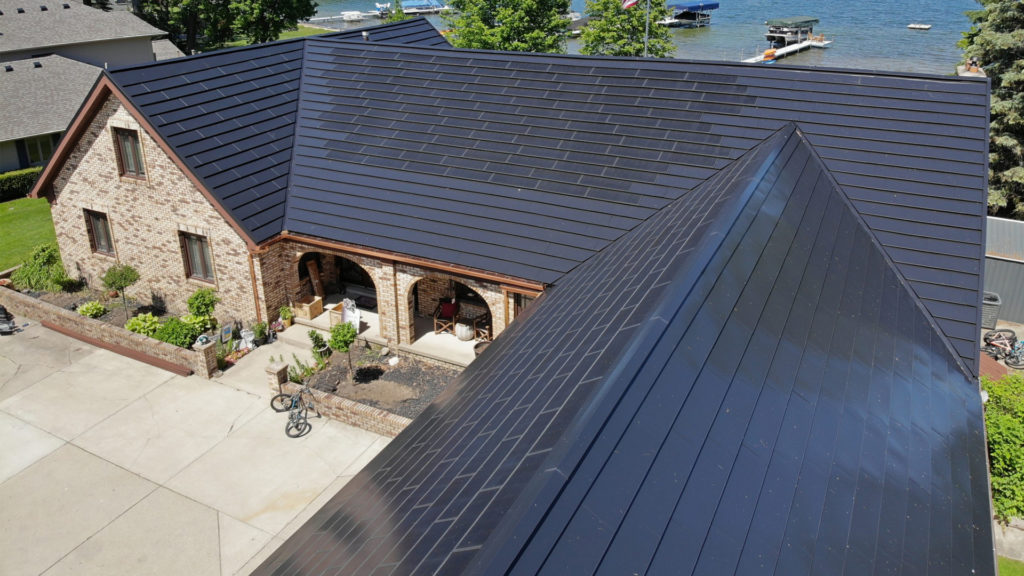
The phrase “best solar roof options” is frequently misused in consumer discourse. Many treat it as a shorthand for finding the cheapest kilowatt-hour or the most visually striking aesthetic. However, in professional engineering and architectural contexts, the designation remains entirely relative to site-specific constraints. For example, an optimal choice for a low-slope commercial membrane roof in a high-wind coastal environment bears little resemblance to an ideal solution for a steep-pitch residential structure in a heavy snow zone.
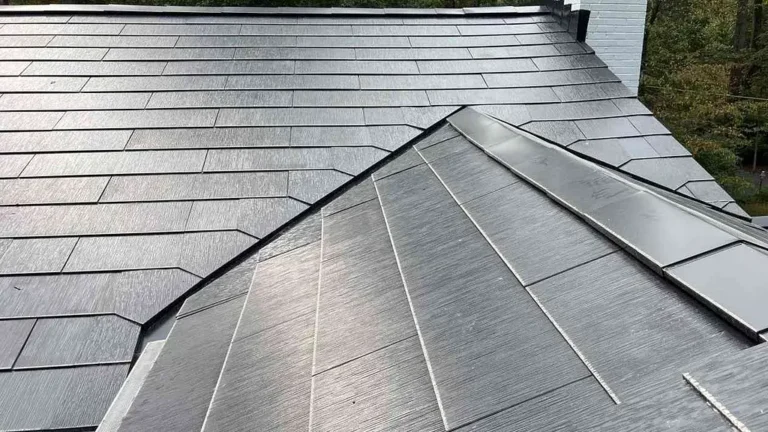
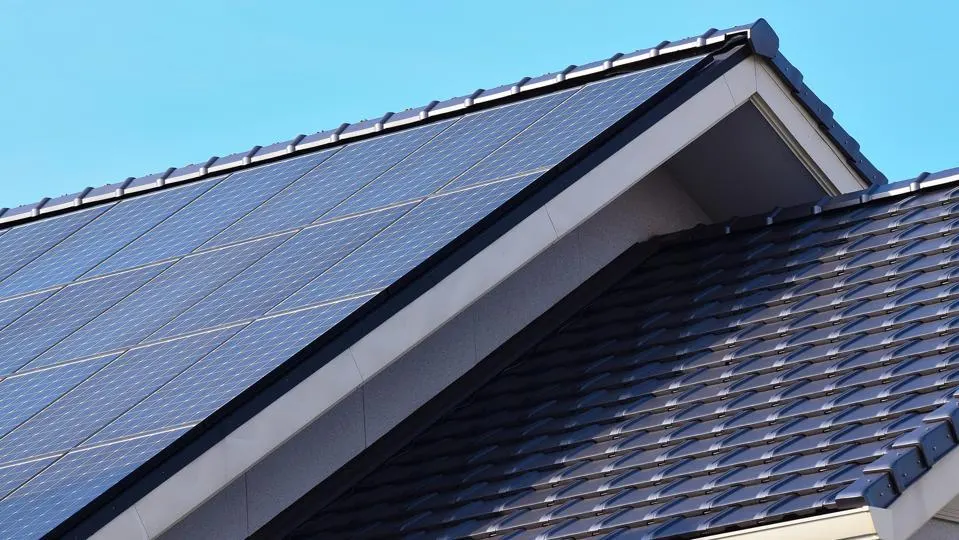
A common misunderstanding suggests that integrated solar roofs—often termed solar shingles or building-integrated photovoltaics—are universally superior to traditional rack-mounted panels. People often assume this because of a streamlined appearance. Yet, from a systemic perspective, this assumption introduces significant trade-offs. BIPV systems typically exhibit lower thermal dissipation efficiency. Because they lie flush against the roof deck, they trap heat beneath the cells. Silicon photovoltaic efficiency degrades as operating temperature rises. Thus, this thermal penalty reduces annual energy yield compared to elevated rack-mounted systems that allow substantial airflow underneath. Furthermore, when a localized electrical failure occurs in an integrated shingle system, repair protocols often involve peeling back adjacent roofing materials. This presents maintenance complexities that far exceed simply unbolting a standard rack-mounted panel.
Oversimplification risks also plague financial evaluations. Buyers frequently compare gross installation costs of a standard composition shingle roof plus standard solar panels against a proprietary solar shingle roof. Often, they fail to factor in the remaining lifespan of the existing structure. If a roof is only five years old, replacing it prematurely with an integrated solar roof carries an immense economic penalty due to the destruction of residual asset value. Conversely, timing a solar installation to coincide with a scheduled roof replacement transforms two separate capital expenditures into an integrated project. This shares labor overhead and unifies warranty structures.
Deep Contextual Background
The evolution of solar roofing traces a direct line through semiconductor manufacturing maturation, building code standardization, and an industrial design push toward net-zero energy buildings. Early residential solar installations during the late 20th century were almost exclusively retrofit applications. Standard crystalline silicon modules were mounted on aluminum rails anchored through roofing felt directly into rafters or trusses. While structurally robust when engineered correctly, these systems frequently became points of water intrusion. Causes included improper flashing installation, degraded sealants, or thermal expansion mismatches between hardware and wood framing.
Concurrently, commercial and industrial architecture pioneered membrane-integrated solutions. These utilized thin-film amorphous silicon or flexible copper indium gallium selenide laminates adhered directly to single-ply TPO or EPDM roofs. While these products minimized structural dead loads and eliminated penetrations, their conversion efficiencies lagged far behind rigid silicon wafers. Consequently, their commercial viability remained limited for footprint-constrained residential applications.
The 2010s marked a turning point. Manufacturers introduced aesthetic BIPV products designed to mimic conventional architectural profiles like slate, tile, and asphalt shingle. Early iterations suffered from high manufacturing costs, complex interconnection vulnerabilities, and regulatory friction. Electrical and building inspectors struggled to classify systems that functioned simultaneously as Class A fire-rated roofing materials and electrical generation assets. Today, the landscape is defined by rigorous testing standards, advanced power electronics like microinverters embedded at the module level, and manufacturing methodologies bridging semiconductor fabrication with traditional roofing trade execution.
Conceptual Frameworks and Mental Models
1. The Building Envelope Integration Spectrum
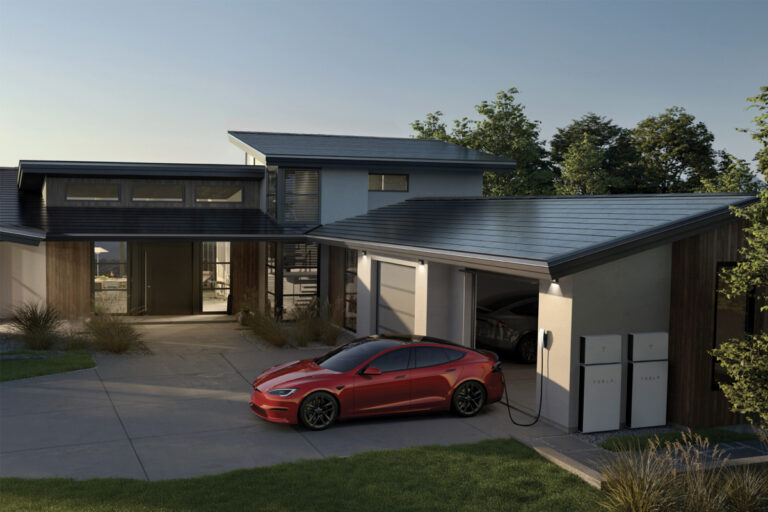
This model categorizes solar technologies by their degree of physical and functional integration. Categories range from additive options, such as rack-mounted panels on existing roofs, to replacement options where solar tiles replace traditional roofing materials, and finally to structural options like photovoltaic standing-seam metal roofs where the roof itself generates power. Each step shifts responsibility between roofing and electrical contractors, altering liability and warranty dynamics.
2. Thermal-Electrical Efficiency Trade-off
Photovoltaic efficiency is inversely proportional to cell temperature. Additive rack-mounted systems maximize convective cooling via open-air gaps beneath the modules. Conversely, integrated flush-mounted systems maximize aesthetic continuity but suffer from elevated operating temperatures. This leads to a permanent reduction in rated power output under peak solar irradiance. System designers must weigh aesthetic gains against thermal derating coefficients.
3. Lifecycle Asset Synchronization
This framework evaluates alignment between the mechanical lifespan of the roofing substrate and the electrical lifespan of the solar generation equipment. Traditional roofs last twenty to fifty years depending on material. Meanwhile, standard solar inverters require replacement at ten to fifteen years, and panels degrade slowly over twenty-five to thirty years. Integrating solar into a failing roof creates compounding liability. Synchronizing installation with a fresh structural deck optimizes long-term energy costs.
4. Penetration Risk vs. Wind Uplift Matrix
Every mechanical fastener driven through a roof membrane introduces a potential point of water failure. However, flush-mounted BIPV systems present massive surface areas exposed to aerodynamic uplift forces. This mental model analyzes how different systems manage wind loads. Rack systems transfer point loads to rafters, whereas adhesive or interlocking BIPV systems distribute wind shear across the entire deck surface. This requires careful structural engineering validation.
Key Categories or Variations
| Category | Primary Material / Technology | Est. Efficiency | Estimated Cost Range (Installed) | Primary Advantage | Primary Disadvantage |
| Rack-Mounted Monocrystalline Panels | Silicon wafers on aluminum rails | 19% – 23% | Moderate ($2.50 – $3.50 / watt) | High thermal cooling, easy maintenance, lowest cost | Visible hardware, potential roof penetrations |
| Integrated Solar Shingles (BIPV) | Monocrystalline embedded in glass/polymer tiles | 15% – 19% | Very High ($5.00 – $8.50+ / watt) | Seamless architectural aesthetic, dual-function | High capital cost, difficult localized repair, thermal trapping |
| Solar Standing-Seam Metal Roofs | Laminate or clamp-on thin-film/silicon | 14% – 20% | High ($4.00 – $6.00 / watt) | Zero penetrations, extreme durability (50+ years) | Limited to metal architectural styles, specialized labor |
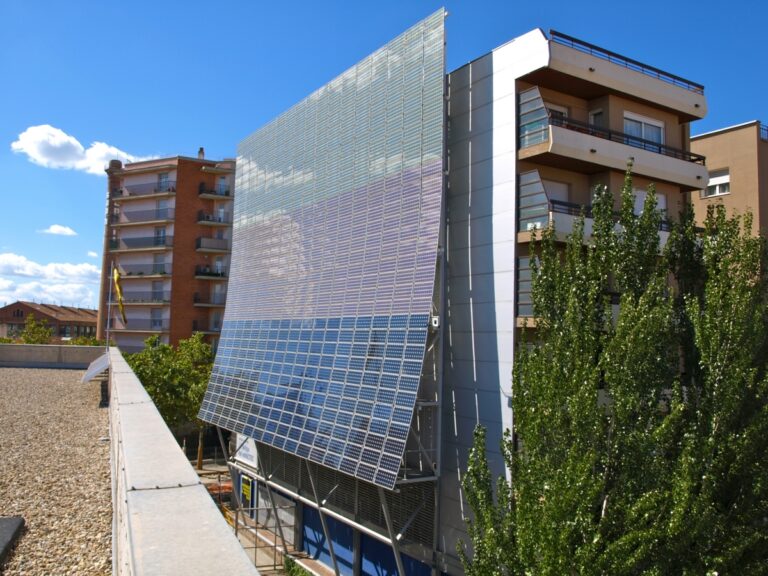
| Building-Integrated Glass Skylights / Atriums | Semi-transparent thin-film or bifacial PV | 10% – 15% | Premium ($7.00 – $10.00+ / watt) | Daylighting combined with power generation | Low efficiency, high structural engineering requirements |
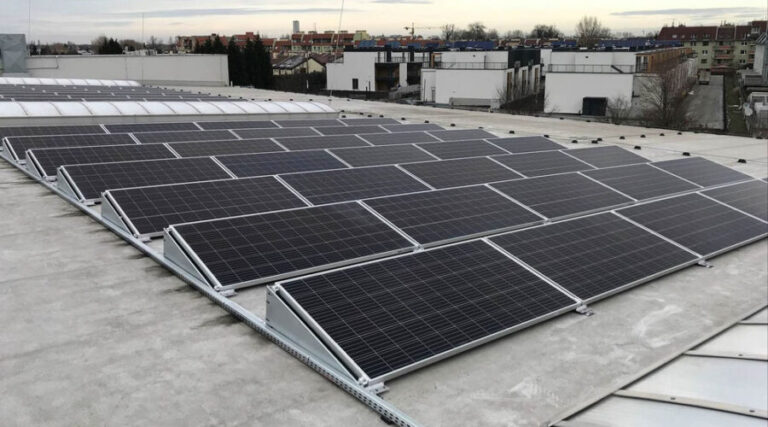
| Ballasted Flat Roof Systems | Framed modules weighted with concrete blocks | 18% – 22% | Moderate ($2.50 – $3.50 / watt) | No roof penetrations on low-slope buildings | High structural dead-load requirements, wind footprint |
| Flexible Thin-Film Adhesives | CIGS or amorphous silicon peel-and-stick | 10% – 14% | Moderate-High ($3.50 – $5.00 / watt) | Featherweight, conforms to curved or weak roofs | Low energy density, shorter operational lifespan |
Realistic Decision Logic
Selecting among these categories requires a sequential elimination process based on physical site constraints:
-
Structural Load Assessment: If a roof structure cannot support dead loads of concrete ballast or heavy glass tiles, lightweight thin-film or standard low-profile rack systems are mandated.
-
Roof Age and Condition: If the underlying framing or decking is older than ten years, applying a permanent integrated shingle system is counterproductive. A rack-mounted system allows temporary removal for future roof servicing.
-
HOA and Aesthetic Mandates: Historic districts or strict homeowners associations frequently prohibit traditional raised panels. Consequently, property owners are forced toward BIPV solar shingles despite the premium price point.
Detailed Real-World Scenarios
A : Historic District Colonial Home
-
Constraints: Strict historic preservation guidelines prohibiting exterior alterations that change the roofline silhouette; steep pitch; wooden rafter framing.
-
Decision Points: Traditional rack-mounted panels are rejected by local architectural review boards. Therefore, the owner must evaluate color-matched solar shingles replicating historical slate or dark architectural shingle profiles.
-
Failure Modes: Thermal expansion differences between rigid glass tiles and historic timber framing can crack surrounding mortar or flashing. Specialized flashing kits and expansion joints become mandatory.
-
Second-Order Effects: The installation timeline stretches significantly due to municipal design reviews. Labor costs also escalate because roofing crews must be cross-trained in high-voltage electrical terminations.
B : Commercial Warehouse with Aging TPO Membrane
-
Constraints: Large, flat expanse; low structural live-load capacity; triple-net lease structure requiring split incentives between landlord and tenant.
-
Decision Points: Ballasted systems are eliminated due to weight restrictions. Mechanical anchor systems risk breaching the TPO warranty. Thus, the optimal path involves lightweight flexible CIGS laminates adhered directly to the TPO membrane.
-
Failure Modes: Adhesive shear failure under high thermal expansion cycles, or premature membrane degradation if the adhesive chemically reacts with the underlying thermoplastic olefin.
-
Second-Order Effects: Because thin-film modules cover the membrane, inspecting the TPO for seams or punctures becomes difficult. This necessitates infrared thermography for leak detection.
C : High-Wind Coastal Property
-
Constraints: Exposure to hurricane-force wind uplift; salt-spray corrosion environment; strict building codes.
-
Decision Points: Raised rack systems act as aerodynamic sails, creating severe uplift forces that can tear rafters from wall plates. Low-profile integrated metal standing-seam systems with mechanical clamp attachments provide superior wind-tunnel resistance.
-
Failure Modes: Galvanic corrosion between dissimilar metals in saline atmospheres can lead to structural fastener shear.
-
Second-Order Effects: The requirement for marine-grade stainless steel hardware and specialized anodized coatings increases upfront material costs. However, this prevents catastrophic system detachment.
D : Suburban Family Residence with Complex Roof Geometry
-
Constraints: Multiple dormers, hips, valleys, and shading from surrounding mature trees; standard asphalt shingle roof with twelve years of remaining life.
-
Decision Points: Installing expensive solar shingles across broken, shaded roof planes is economically unviable due to high labor overhead. A modular rack-mounted system placed strictly on unshaded southern and western planes is chosen instead.
-
Failure Modes: Partial shading causes string-inverter performance bottlenecks. We can mitigate this by deploying module-level power electronics like optimizers or microinverters.
-
Second-Order Effects: Aesthetic asymmetry occurs because solar panels occupy only a portion of the visible roof surface. This requires client acceptance of function over absolute visual uniformity.
Planning, Cost, and Resource Dynamics
Financial modeling for solar roofing extends far beyond simple capital expenditure versus monthly electricity savings. Direct costs encompass hardware acquisition, specialized electrical engineering design, and certified installation labor. Indirect costs include permitting fees, structural engineering stamps, interconnection studies imposed by local utility providers, and potential insurance premium adjustments.
Opportunity costs play a decisive role during roof replacement cycles. Removing a standard asphalt roof prematurely to install integrated solar shingles destroys thousands of dollars in remaining material utility. Conversely, coordinating a full roof replacement with a rack-mounted solar installation amortizes scaffolding, permitting, and labor mobilization expenses into a single financing package.
| Cost Component | Traditional Rack-Mounted System | Integrated Solar Shingle System | Standing-Seam Metal Solar System |
| Material CapEx (Per Watt) | $1.00 – $1.60 | $3.00 – $4.50 | $2.20 – $3.20 |
| Labor & Installation (Per Watt) | $0.80 – $1.20 | $2.00 – $3.50 | $1.50 – $2.50 |
| Permitting & Engineering | $500 – $1,500 | $1,500 – $3,500 | $1,000 – $2,500 |
| Expected Roof Life Impact | Neutral (requires unbolting for replacement) | Replaces entire roof structure | Enhances structural roof life (50+ years) |
Tools, Strategies, and Support Systems
-
Solar Pathfinder & LiDAR Modeling Software: Tools like specialized design software allow precise three-dimensional simulation of shading vectors, roof pitch intersections, and annual kilowatt-hour yields based on historical meteorological data.
-
Infrared Thermographic Drones: These tools are essential for post-installation quality assurance and long-term maintenance. They detect hot spots caused by micro-cracks, bypass diode failures, or localized string imbalances.
-
Module-Level Power Electronics: Microinverters and DC optimizers isolate performance drops to individual tiles or panels. Consequently, they prevent systemic output loss from localized shading or debris accumulation.
-
Structural Engineering Analysis Tools: Finite element analysis software is used by licensed engineers to verify that roof trusses can withstand combined dead loads, wind uplift, and seismic shear forces.
-
Utility Interconnection Portals: Automated digital interfaces provided by regional grid operators facilitate submitting net-metering applications and rapid interconnection approvals.
-
Class A Fire-Rated Underlayments: Specialized high-temperature self-adhering membranes installed beneath integrated solar roofs satisfy strict municipal fire codes regarding flame spread and deck protection.
-
BIPV Interconnection Harnesses: Proprietary weather-sealed plug-and-play wiring looms withstand extreme thermal expansion without degrading electrical contact resistance.
Risk Landscape and Failure Modes
The integration of high-voltage direct current electricity into a building’s primary weatherproofing shell creates a unique risk profile spanning structural, electrical, and thermal domains. Understanding these failure modes remains critical for long-term asset protection.
-
Moisture Infiltration via Fastener Fatigue: In rack-mounted systems, cyclical thermal expansion causes lag screws to work loose within wooden rafters. This breaks compression seals and allows water to penetrate the attic deck.
-
Electrical Arc Faults: Poorly crimped DC connections or degraded insulation hidden beneath integrated solar shingles generate high-temperature electrical arcs. Without rapid shutdown compliance, these arcs can ignite surrounding timber framing.
-
Hot Spotting and Delamination: Accumulation of organic debris or localized shading creates reverse-bias conditions in photovoltaic cells. This concentrates electrical resistance into extreme heat zones that melt encapsulant polymers and crack surface glass.
-
Thermal Trapping Degradation: In flush-mounted BIPV systems, inadequate ventilation beneath the array accelerates backsheet degradation and solder joint fatigue. Thus, it shortens the operational half-life of semiconductor junctions.
-
Aesthetic Discoloration and UV Yellowing: Polymer-based protective topcoats on certain integrated shingle brands can experience yellowing or hazing when exposed to intense ultraviolet radiation over decades. This compromises architectural uniformity.
Governance, Maintenance, and Long-Term Adaptation
Maintaining an integrated solar roofing asset requires a formalized operational protocol. This protocol bridges property management and electrical maintenance. Unlike traditional roofs requiring little attention beyond periodic gutter cleaning, solar roofs demand active monitoring of generation metrics and electrical integrity.
-
Monitoring Protocols: Continuous inverter-level and module-level data logging should be configured to alert administrators immediately when daily yield drops more than fifteen percent below historical weather-adjusted baselines.
-
Annual Physical Inspections: Visual and thermal audits conducted every twelve months check for physical shifting, loose electrical conduit, rodent intrusion into wiring harnesses, and particulate accumulation.
-
Adjustment Triggers: Triggers for professional intervention include persistent string voltage imbalances, physical damage from severe weather events, or inverter error codes indicating ground-fault interruptions.
-
Layered Maintenance Checklist:
-
Verify integrity of perimeter flashing and counter-flashing around penetrations.
-
Check grounding conductor continuity across all metal racking or integrated metallic frames.
-
Inspect attic spaces beneath the array during heavy rain events for early signs of moisture ingress.
-
Clean optical surfaces using deionized water systems in heavy dust or agricultural fallout zones.
-
Measurement, Tracking, and Evaluation
Assessing ongoing performance of a solar roofing installation requires balancing quantitative electrical generation data against qualitative building envelope integrity indicators. Relying solely on utility bill reductions is insufficient because utility rate structures, time-of-use tariffs, and net-metering policy changes mask underlying generation declines.
-
Leading Indicators: Real-time inverter telemetry, string voltage stability, ambient module temperature metrics, and system insulation resistance values.
-
Lagging Indicators: Annual kilowatt-hour output normalization, cumulative degradation percentage relative to manufacturer warranty curves, and frequency of maintenance dispatches.
-
Qualitative Signals: Absence of interior ceiling staining, stable indoor thermal regulation, and preservation of exterior aesthetic uniformity without warping or delamination.
-
Documentation Examples:
-
As-Built Electrical Schematics: Detailed drawings mapping string configurations, rapid-fault shutoff locations, and DC combiner box layouts.
-
Commissioning Report: Initial flash test data, insulation resistance logs, and inverter firmware baseline records.
-
Warranty Ledger: Centralized repository tracking individual manufacturer warranties for inverters, optimizers, racking hardware, roofing underlayment, and photovoltaic modules.
-
Common Misconceptions and Oversimplifications
-
Myth: Solar roofs are completely maintenance-free because they have no moving parts.
-
Correction: While solid-state semiconductors do not move, external wiring, inverters, seals, and structural connections require active monitoring and periodic service.
-
-
Myth: Integrated solar shingles generate the exact same amount of electricity as standard raised panels.
-
Correction: Flush-mounted shingles trap heat underneath their structure, lowering conversion efficiency due to elevated operating temperatures.
-
-
Myth: Any standard roofing contractor can install integrated solar shingle systems.
-
Correction: BIPV installation requires dual certification in roofing installation and high-voltage electrical wiring. Improper DC terminations create severe fire and shock hazards.
-
-
Myth: Solar roofing systems eliminate the need for property insurance adjustments.
-
Correction: Adding high-value electrical generation equipment to a roof structure typically requires notifying insurers to adjust dwelling coverage limits and verify liability terms.
-
-
Myth: Hail will shatter solar roofs instantly.
-
Correction: Modern solar tiles and panels are engineered to withstand severe impact testing, outperforming standard clay and slate tiles in many impact scenarios.
-
-
Myth: Solar roofs work at peak efficiency on cloudy or overcast days.
-
Correction: While diffuse light allows minimal generation, output drops significantly—often to 10% to 25% of rated capacity—during heavy cloud cover or rain.
-
Ethical, Practical, or Contextual Considerations
Widespread deployment of building-integrated photovoltaics touches upon broader questions of urban sustainability, electrical grid decentralization, and material lifecycle accountability. As cities move toward aggressive decarbonization mandates, pressure to mandate solar installations on all new residential and commercial construction creates significant economic stratification concerns. Premium roofing options like solar shingles carry upfront costs that can price lower-income homeowners out of necessary roof replacements unless subsidized through targeted public policy instruments.
Furthermore, end-of-life recycling infrastructure for composite BIPV materials remains in its infancy compared to standard aluminum and silicon recycling streams. Designing architectural elements fusing electronics directly into weatherproofing membranes complicates eventual disassembly and material reclamation processes. Manufacturers and building designers bear a growing ethical responsibility to implement circular economy principles. They must ensure that complex multi-layer roofing assets can be safely deconstructed, recycled, or remanufactured at the end of their operational lifespans.
Conclusion
The selection and implementation of the best solar roof options demand a rigorous synthesis of architectural engineering, building science, electrical design, and financial planning. Moving away from the false dichotomy of separate roofing and energy systems requires a nuanced appreciation for how structural loads, thermal dynamics, and long-term weathering interact over decades. Whether deploying a modular rack-mounted system on an industrial standing-seam metal roof or investing in high-end building-integrated solar shingles for a historic preservation project, success relies on matching technology to structural reality rather than forcing aesthetic preferences over physical constraints. By prioritizing editorial judgment, thorough risk assessment, and lifecycle synchronization, property owners can build resilient, high-performing energy assets that stand the test of time.