Compare Solar Energy Roofing: Panels vs. BIPV Guide
The transition from bolted-on photovoltaic hardware to integrated solar roofing architectures represents a major shift. For decades, solar adoption relied on an additive paradigm. Conventional roofing materials remained intact as weather protection, while metal racking systems were mounted above them. Although economically practical, this approach often created architectural friction. Homeowners and developers frequently encountered zoning rules when trying to unify industrial glass with asphalt or tile roofs.
Today, market choices are far more diverse. Property owners can evaluate various options, ranging from conventional rack panels to building-integrated photovoltaics (BIPV). Each technology carries different structural loads and thermal challenges. Therefore, market navigation requires a deep understanding of how a system interacts with building codes and engineering limits.
This evaluation demands a careful analytical framework. When stakeholders want to compare solar energy roofing, they must weigh initial capital costs against the lifecycle of the building envelope. Furthermore, energy conversion efficiency needs to be compared against thermal degradation rates. This analysis comprehensively examines architectural, engineering, and economic dimensions.
Understanding “compare solar energy roofing”
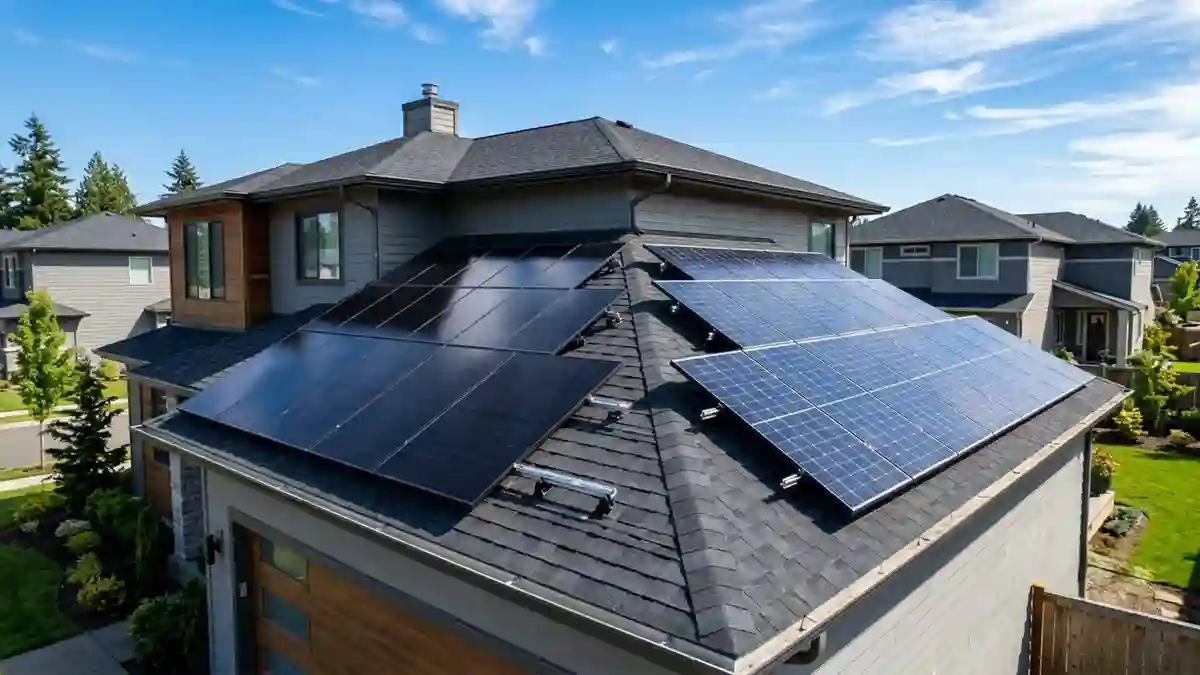
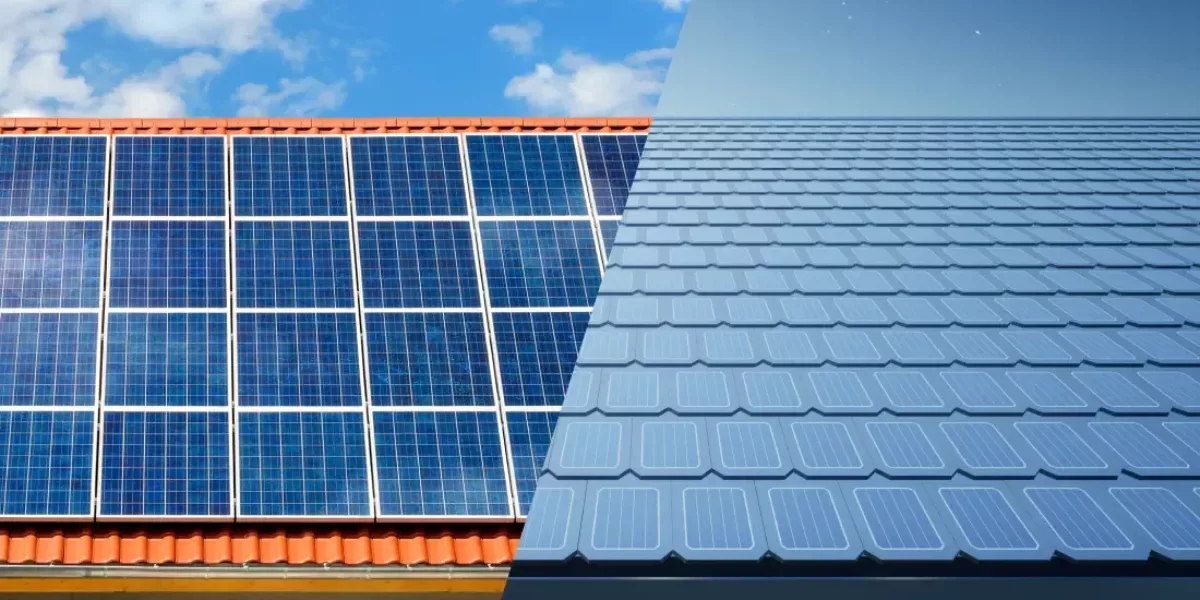
The phrase compare solar energy roofing frequently appears in consumer discourse as a shorthand to evaluate photovoltaic methods against conventional roofs. However, this term oversimplifies a highly diverse technological category. In practice, no single universal system fits every building. An ideal system for a flat-roofed commercial warehouse differs greatly from a steep residential gable prone to heavy snow.
A common market misunderstanding is the assumption that all solar roofing options install uniformly. Traditional roofing contractors are rarely certified electricians. Conversely, solar installers often lack deep expertise in flashing details and deck ventilation. Thus, accurate assessment requires understanding how an architecture bridges weather performance and electrical engineering.
Simplification risks also plague financial assessments. Buyers often compare systems based solely on cost-per-watt. As a result, they overlook balance-of-system costs and structural reinforcement needs. Additionally, thermal dynamics play a crucial role. Rack panels benefit from free airflow that cools modules, whereas BIPV tiles often trap heat and accelerate thermal degradation.
Deep Contextual Background: The Evolution of Solar Roofing Systems
The evolution of solar roofing stems from early solar cell experiments to the push for decentralized renewable power. Initial installations used standard silicon panels bolted to aluminum roof racks. This additive approach prioritized maximum energy yield. However, it treated the roof merely as a mechanical anchor rather than an active energy conversion medium.
Over time, engineers realized the limitations of that additive model. Early experiments involved thin-film laminates on standing-seam metal roofs. Although sleek, those products suffered rapid early degradation and peeling issues. Simultaneously, early rigid solar tiles experienced cracking due to thermal expansion mismatches with underlying wood framing.
The modern landscape emerged through advanced manufacturing techniques and high-efficiency photovoltaic cells. Modern engineering now treats the roof as an integrated macro system. Busbars, microinverters, and interlocking channels are cohesively designed to generate energy while shielding the building from severe weather.
Conceptual Frameworks and Mental Models
Navigating solar roofing architecture requires structured mental models mapping physical and economic forces.
1. The Building Envelope Integration Continuum
This model places solar tech on a spectrum from purely additive to fully integrated. Shifting along this spectrum improves aesthetics but adds maintenance access risks.
2. The Thermal-Electrical Trade-Off Matrix
In photovoltaic physics, high operating temperatures lower daily electrical voltage. Flush-mounted solar roofing tends to trap heat. This model helps balance aesthetics against thermal penalties.
3. The Trade Jurisdiction Convergence Model
Solar roof installations cross boundaries between roofing contractors and electricians. This model emphasizes that system longevity depends on solid labor coordination.
4. Total Cost of Envelope Ownership
This model integrates roof replacement cycles into financial analysis. Integrated solar systems align the lifespan of the weather membrane with generation equipment.
Key Categories, Variations, and Technical Trade-Offs
The solar roofing market comprises several main architectural categories, each with technical weight and efficiency trade-offs.
1. Conventional Rack Panels
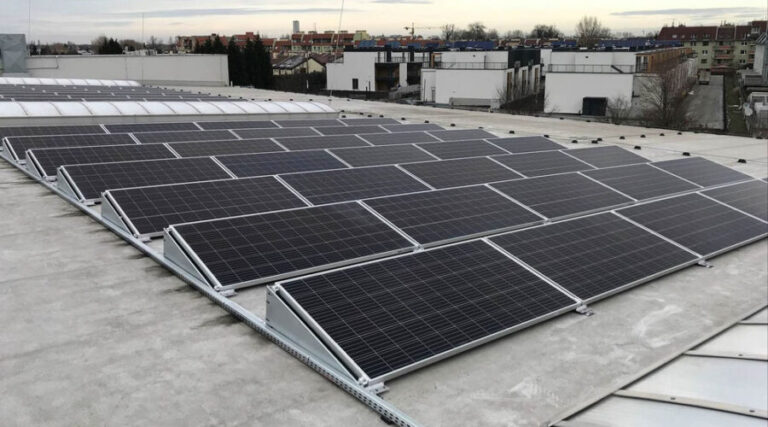
Crystalline modules mounted on aluminum rails above the roof deck.
-
Trade-offs: High wind-load profile; industrial look; requires roof membrane penetrations.
2. Rigid Monocrystalline Tiles
Silicon wafers encapsulated in safety glass resembling stone tiles.
-
Trade-offs: High structural weight; complex installation; vulnerable to substrate deflection cracks.
3. Flexible Thin-Film Laminates
Lightweight variants often adhered directly to metal panels.
-
Trade-offs: Lower baseline efficiency; vulnerable to long-term UV degradation.
4. Hybrid Asphalt Shingles
Standard asphalt materials blended with small photovoltaic cells.
-
Trade-offs: Lower watt output; shorter service life than glass.
5. Heavy Structural Glass Slate
Thick glass modules replacing traditional slate entirely.
-
Trade-offs: Very high cost; requires specialized structural engineering review.
6. Ballasted Commercial Membrane Systems
Uses concrete ballast blocks on flat commercial roofs.
-
Trade-offs: High dead weight; complex seismic bracing requirements.
7. Bifacial Arrays with Reflective Roofs
Dual-side panels over high-albedo cool roof membranes.
-
Trade-offs: Requires specific roof geometry; higher initial material cost.
Solar Roofing Categories Comparison Table
| Category | Typical Efficiency | Weight Load | Installation Complexity | Primary Vulnerability |
|
Conventional Rack
|
19% – 23% |
Low-Mod |
Low-Mod |
Membrane penetration / Wind |
|
Rigid Mono Tiles
|
18% – 22% |
Mod-High |
High |
Thermal stress / Deflection |
|
Thin-Film Laminate
|
10% – 14% |
Low |
Moderate |
UV damage |
|
Hybrid Asphalt
|
12% – 16% |
Moderate |
Low-Mod |
Aggregate wear |
|
Structural Slate
|
17% – 21% |
High |
Very High |
Impact damage |
|
Commercial Ballasted
|
18% – 22% |
High |
Moderate |
Deck dead load |
Realistic Decision Logic
Selecting these variations requires filtering based on site constraints:
-
Step 1: Evaluate structural load capacity and roof slope.
-
Step 2: Review local climate extremes like hail or strong winds.
-
Step 3: Analyze historical or local aesthetic regulations.
Detailed Real-World Scenarios
To understand field performance, consider five operational scenarios.
A : Historic District Renovation
-
Context: Property in a historic district banning external rack panels.
-
Decision: Choosing dark slate-mimicking BIPV systems meeting guidelines.
-
Failure Modes: String mismatch from tree shade; water intrusion in roof valleys.
-
Second-Order Effects: High capital expenditure extends simple payback periods.
B : Net-Zero Suburban Development
-
Context: New homes designed for net-zero energy codes.
-
Decision: Integrating hybrid shingles during initial framing.
-
Failure Modes: Trade coordination errors; attic ventilation issues.
-
Second-Order Effects: Synchronized warranties simplify insurance claims.
C : Commercial Warehouse Retrofit
-
Context: Large warehouse with aging roof membranes.
-
Decision: Evaluating full membrane replacement with ballasted racks or thin film.
-
Failure Modes: Standing water accumulation causing local delamination.
-
Second-Order Effects: Maintenance access requires dismantling surrounding membranes.
D : High-Wind Coastal Environment
-
Context: Coastal property prone to hurricanes and salt corrosion.
-
Decision: Specifying wind-rated interlocking glass tiles with anti-corrosion hardware.
-
Failure Modes: Salt mist ingress causing arc faults.
-
Second-Order Effects: Increased insurance scrutiny and mandatory post-storm inspections.
E : Mountain Cabin with Heavy Snow
-
Context: Remote cabin with sub-zero temperatures and thick snowpacks.
-
Decision: Using high-elevation racks with snow guards or strong structural slate.
-
Failure Modes: Ice dam formation from poor roof heat retention.
-
Second-Order Effects: Lower winter generation requires larger battery storage.
Planning, Cost, and Resource Dynamics
Economic frameworks vary by tech path. Rack panels are priced on hardware wattage, while BIPV involves premium materials and specialized engineering.
Direct costs include modules, flashing, and microinverters. Indirect costs include structural engineering assessments, electrical contractor fees, and dual-permitting.
Opportunity costs matter too. Choosing high-end BIPV ties up capital in a single asset, and component failures may require surrounding material removal.
Cost and Resource Dynamics
| Expense Category | Elevated Rack System | Premium BIPV System | Key Cost Drivers |
| Materials (Per Sq. Ft.) | Low-Mod | High |
Glass manufacturing, power electronics |
| Labor Allocation | Separate Crews | Integrated BIPV Crew |
Trade scarcity, cross-training |
| Structural Upgrades | Minimal | Mod-High |
Truss reinforcement, deck leveling |
| Permitting & Engineering | Standard | Comprehensive |
Historic compliance, load calculations |
Tools, Strategies, and Support Systems
Successful project execution requires diagnostic tools and logistical support.
-
Thermal Imaging Drones: Detect hot spots and micro-cracks safely.
-
Solar Pathfinders: Model complex shading dynamics during planning.
-
Deck Ventilation Software: Simulate sub-deck heat accumulation.
-
Flashing Integrity Testers: Verify waterproof seals under simulated rain.
-
Megohmmeters: Detect hidden moisture and wiring issues.
-
Certified Installation Jigs: Ensure precise electrical and mechanical alignment.
-
Rapid Shutdown Kits: Verify safety compliance for emergency responders.
Risk Landscape and Failure Modes
Combining high-voltage electricity and roof weather protection creates unique risks.
1. Moisture Ingress and DC Arc Faults
Flush-mounted wiring sits close to the roof deck. If water bypasses seals, corrosion can increase resistance and trigger dangerous DC arcs.
2. Thermal Stress and Micro-Cracking
Lack of convective cooling causes high operating temperatures and thermal expansion cycles, inducing micro-cracks in silicon wafers.
3. Trade Jurisdiction and Warranty Disputes
Legal risks arise when roofing and electrical suppliers point fingers at each other over leaks or inverter failures.
Governance, Maintenance, and Long-Term Adaptation
Maintaining integrated systems bridges traditional roof upkeep with photovoltaic monitoring.
1. Continuous Monitoring
Modern deployments rely on module-level monitoring to instantly isolate failing components.
2. Periodic Physical Inspections
Inspections follow a seasonal cadence:
-
Post-Winter Review: Check ice dams and snow load deflections.
-
Post-Storm Assessment: Use drone thermography to spot cracked glass or loose parts.
-
Bi-Annual Electrical Testing: Conduct insulation tests on DC circuits.
3. Adjustment Triggers
Owners must set clear maintenance thresholds:
-
Trigger 1: Sudden energy yield drop exceeding 5% on a string.
-
Trigger 2: Attic moisture staining signs beneath the array.
-
Trigger 3: Persistent ground-fault error codes from the inverter.
Measurement, Tracking, and Evaluation
Performance evaluation balances quantitative metrics with qualitative indicators.
Quantitative Indicators
-
Leading: Inverter efficiency ratios and insulation resistance.
-
Lagging: Specific yield, payback velocity, and maintenance costs.
Qualitative Signals
-
Aesthetic consistency without color shifts or coating degradation.
-
Envelope resilience without interior drywall compromises.
Documentation Examples
Maintain digital logs containing as-built schematics, commissioning test reports, and chronological repair logs.
Common Misconceptions and Oversimplifications
-
Misconception 1: All systems install over old roofs without removal.
-
Correction: Most BIPV systems require a complete tear-off to the deck.
-
-
Misconception 2: Rack panels always ruin roof structural integrity.
-
Correction: Professional installation with correct flashing preserves waterproof integrity.
-
-
Misconception 3: Flush shingles yield the same energy as elevated racks.
-
Correction: Higher operating temperatures lower peak conversion efficiency.
-
-
Misconception 4: One failed shingle ruins the whole weather barrier.
-
Correction: Modern BIPV uses redundant secondary underlayment membranes.
-
-
Misconception 5: Solar roofs need zero maintenance.
-
Correction: Inverters and connections require periodic inspection.
-
-
Misconception 6: Standard insurance covers all solar roof damages.
-
Correction: Increased property values often require policy riders.
-
Ethical, Practical, and Contextual Considerations
Adopting these technologies raises questions about energy resilience and urban planning. Transitioning rooftops into micro-generators decentralizes energy grids. However, high initial capital costs can create an energy-resilience divide among communities.
Practically, owners must weigh system permanence against the pace of tech advancement. Replacing an integrated solar roof is a major structural undertaking compared to swapping rack panels.
Conclusion and Strategic Synthesis
Solar energy roofing evolution reflects renewable energy integration maturity. Realizing system potential requires navigating thermal dynamics, structural trade-offs, and logistics. Careful evaluation ensures properties transform passive barriers into resilient sustainable cornerstones.