Top Solar Roof Replacement Plans: Comprehensive Engineering Guide
The intersection of major building envelope renewal and distributed photovoltaic generation marks a significant turning point in modern structural engineering. For decades, property owners treated roof replacements and solar array installations as completely separate capital expenditures, often resulting in conflicting contractor timelines, compromised waterproofing intersections, and inefficient structural load distributions. Transitioning a building shell requires synchronizing the physical degradation timeline of protective membranes with the operational lifecycle of electricity-generating semiconductors.
Developing robust top solar roof replacement plans demands a departure from standard re-roofing blueprints or basic solar vendor proposals. Stakeholders must simultaneously reconcile structural dead-load limits, thermal expansion differentials, electrical code mandates, and long-term asset amortization schedules. A failure in any single domain compromises either the watertight integrity of the building envelope or the electrical output of the integrated array.
This analysis examines the structural, financial, and operational realities of executing comprehensive photovoltaic roof renovations. By exploring technical frameworks, varied material architectures, systemic friction points, and long-term governance models, this resource offers a definitive blueprint for navigating integrated energy deployment with intellectual rigor and technical clarity.
Understanding “top solar roof replacement plans”
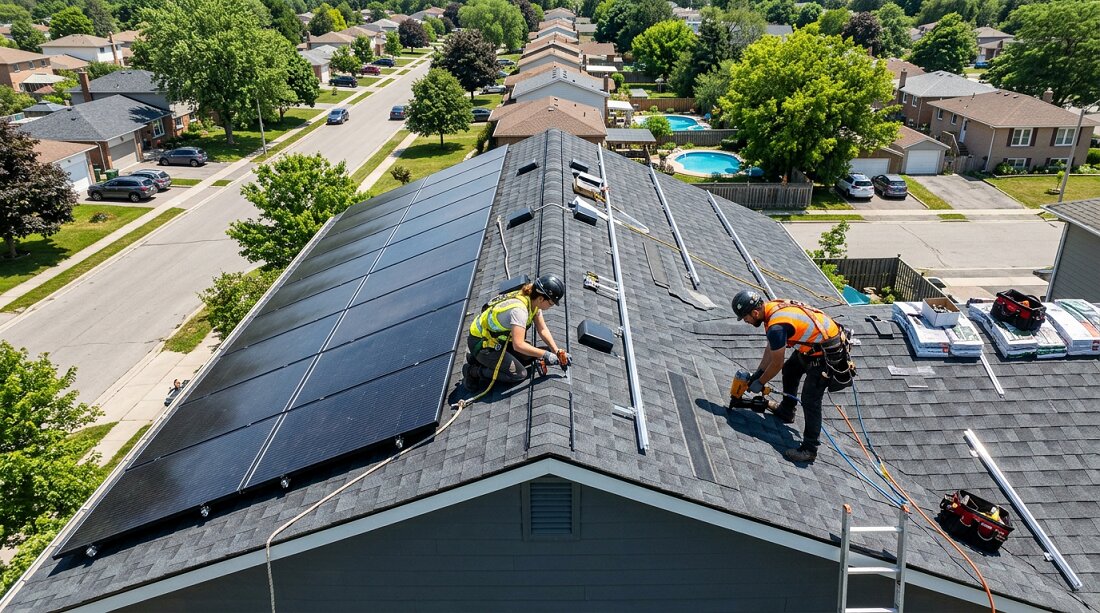
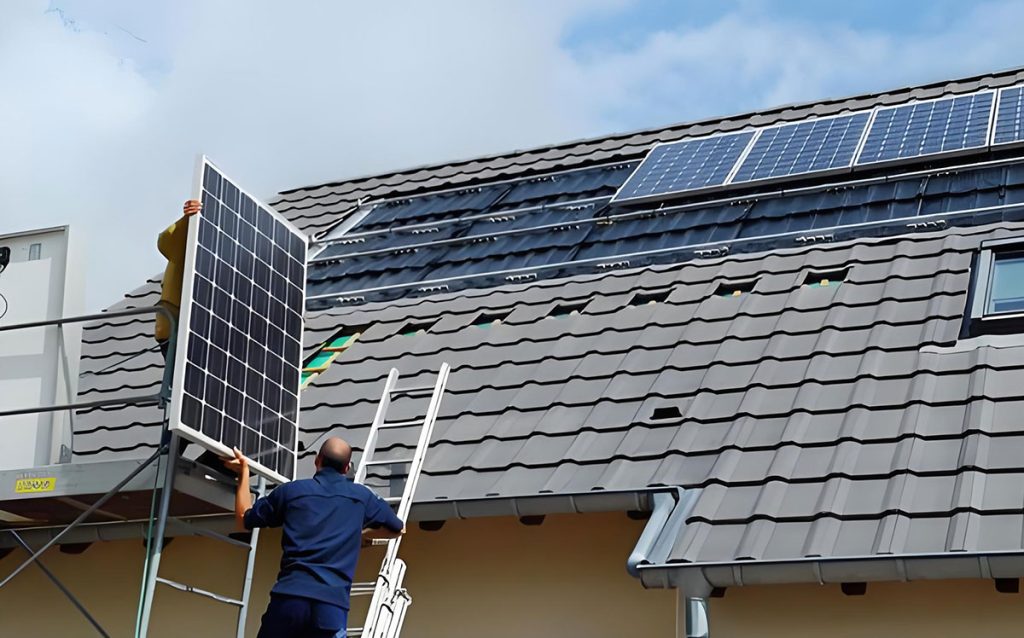
The phrase top solar roof replacement plans points to a multi-disciplinary engineering, financial, and logistical blueprint required to strip away aging weatherproofing assemblies and install a synchronized, high-performance solar generation roof. At its core, this phrase encapsulates the complex coordination needed between roofing contractors, structural engineers, electricians, and municipal building departments. However, approaching these plans through a standard home-improvement lens invites significant structural and financial risk.
A common misunderstanding in the broader construction market is the assumption that designing top solar roof replacement plans involves simply adding a solar bid onto a standard roofing contract. Consumers often treat photovoltaic arrays as detachable accessories, assuming that any roofing crew can bolt hardware onto a new deck without accounting for electrical rapid shutdown compliance, inverter placement, or weight distribution. This perspective ignores the rigorous engineering required to unify the protective roof membrane with active semiconductor generation.
Oversimplification risks also manifest in how structural lifespans are modeled. Traditional roofing materials are engineered to shed water and withstand ambient solar exposure for twenty to thirty years, whereas active solar modules experience thermal stress and mechanical fatigue that can alter their structural interaction with the deck. If top solar roof replacement plans fail to account for these dynamic forces, premature material degradation and envelope breaches will occur.
Deep Contextual Background
The historical evolution of coordinated roof replacements and solar integration reflects the broader maturation of the renewable energy sector. In the early phases of distributed photovoltaic adoption, solar panels were treated as modular add-ons bolted onto existing, functioning roofs. If a roof aged out or required replacement mid-way through a solar panel’s twenty-five-year lifespan, property owners faced expensive decommissioning and re-installation labor charges that frequently exceeded the value of the energy generated during that window.
As building-integrated photovoltaics and high-efficiency rack-mounted systems matured, the industry recognized the inherent inefficiencies of disjointed asset management. Architectural engineers began developing synchronized replacement protocols where the structural roof deck, weatherproofing underlayment, flashing details, and solar racking or integrated tiles were engineered as a single, cohesive system. Concurrently, national electrical and building codes evolved to mandate rapid shutdown capabilities, stringent wind-uplift ratings, and fire-resistance classifications specifically tailored for combined solar-roof assemblies.
This systemic integration shifted rooftop solar from an ad-hoc retrofit market into a standardized, highly regulated architectural renovation category. Today, executing top solar roof replacement plans requires addressing multi-trade synchronization, rigorous lifecycle carbon accounting, and complex municipal permitting standards.
Conceptual Frameworks and Mental Models
Navigating the complexities of synchronized roof replacement and solar deployment requires robust mental models that account for multi-variable structural and physical interactions.
1. The Lifespan Convergence Principle
This framework posits that the economic efficiency of a solar roof project depends entirely on matching the operational expectancy of the photovoltaic generation assets with the durability of the underlying waterproofing membrane. Designing top solar roof replacement plans requires ensuring that neither subsystem fails prematurely, thereby eliminating the need for costly mid-lifecycle teardowns.
2. The Structural Load-Bearing Equilibrium Model
Borrowing from structural engineering, this model evaluates how the combined dead load of heavy tiles or racking systems, ballast, and dynamic wind uplift interacts with existing rafter or truss capacities. The framework asserts that adding generation assets must never exceed the safety margins of the building frame without explicit structural reinforcement.
3. The Thermal-Electrical Trade-Off Matrix
This mental model analyzes the complex relationship between roof thermal insulation and photovoltaic efficiency. Because solar cells lose conversion efficiency as their operating temperature rises, replacement plans must incorporate sub-roof ventilation channels or high-albedo cool-roof underlayments to dissipate waste heat without compromising thermal envelope performance.
4. The Multi-Trade Interdependence Hierarchy
This framework addresses the operational sequencing required during construction. It establishes that rough-in electrical conduit pathways and structural attachment points must be engineered before weatherproofing membranes are sealed, preventing subsequent trades from puncturing finished waterproof layers.
Key Categories or Variations
Synchronized solar roof replacement strategies span a wide array of material compositions and architectural integration approaches. Understanding these variations helps stakeholders align technical specifications with site realities.
-
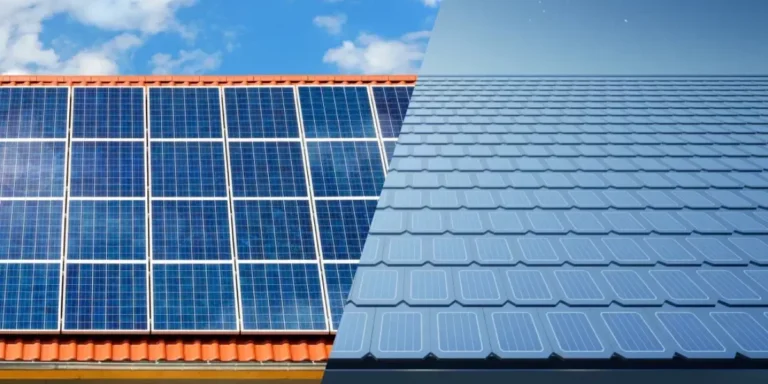
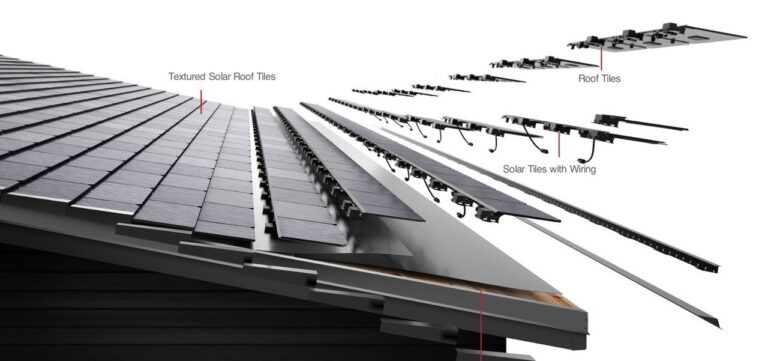
Integrated Solar Shingle Replacement Systems: Comprehensive teardowns that replace traditional shingles with sleek, low-profile photovoltaic tiles that function as both roof covering and power generator.
-
Standing-Seam Metal Roof and Solar Laminate Retrofits: Complete removal of aging asphalt roofs followed by the installation of structural, 100-percent recyclable metal panels paired with adhered flexible solar strips.
-
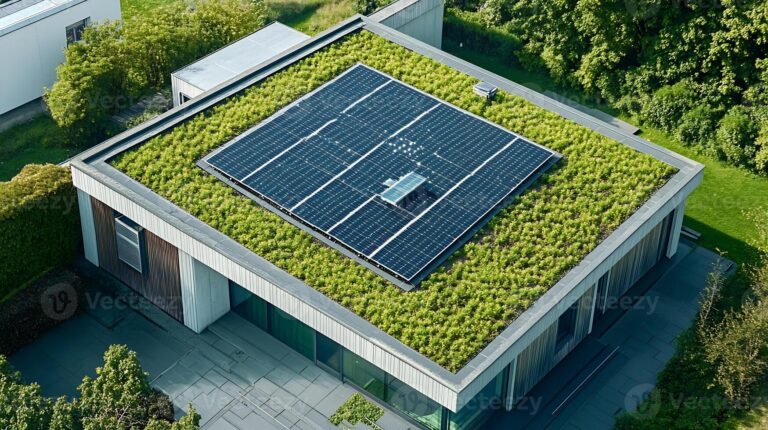
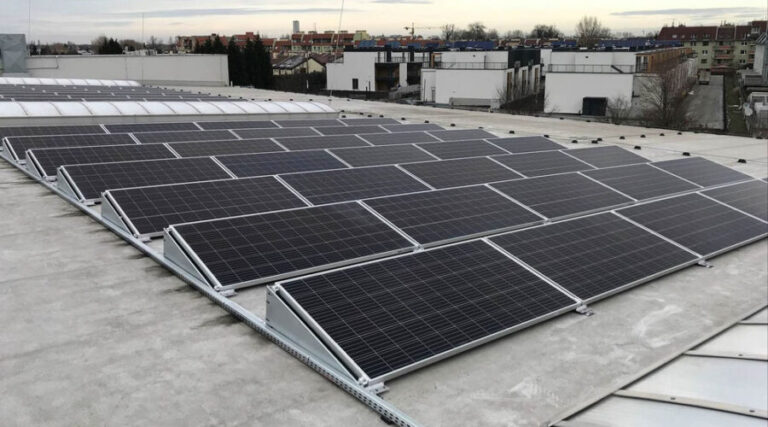
Ballasted Rack-Mounted Flat Roof Replacements: Commercial or low-slope roof replacements utilizing weighted, non-penetrating mounting frames over high-durability single-ply membrane systems.
-
High-Efficiency Ballasted Tile Replacements: Heavy concrete or clay tile roof renovations featuring specialized high-output solar inserts engineered for high-wind coastal environments.
-
Cool-Roof Membrane and Raised Panel Configurations: Commercial roof replacements combining high-albedo reflective membranes with elevated, tilted traditional crystalline solar arrays.
-
Bivalent Solar-Thermal Hybrid Roof Replacements: Advanced dual-action roof renovations that generate electricity while capturing thermal fluid heat for domestic hot water systems.
-
Perimeter Stone-Coated Steel Solar Renovations: Durable steel substrate replacements coated with natural stone granules, integrating heavy structural wind resistance with flush solar arrays.
-
Micro-Inverter Distributed String Replacements: Roof replacements featuring modular power electronics installed beneath every tile or panel to eliminate centralized string mismatch losses.
Comparative Overview of Core Replacement Typologies
| Typology | Structural Weight Impact | Typical Lifespan | Primary Engineering Advantage | Optimal Property Context |
| Integrated Solar Shingles | Medium | 25 – 30 Years | Superior architectural aesthetics; high aesthetic unity | Suburban properties with strict HOA requirements |
| Standing-Seam Metal + Laminates | Low – Medium | 40 – 70 Years | Exceptional weather resistance; complete recyclability | Industrial, modern, or rural residential builds |
| Ballasted Flat Roof Systems | High | 20 – 30 Years | Zero roof penetrations, preserving waterproofing integrity | Commercial low-slope or industrial flat-roof structures |
| Heavy Mineral Tile Arrays | Very High | 50 – 100+ Years | Extreme wind uplift resistance and thermal mass | Arid, high-wind regions with robust framing |
Realistic Decision Logic
Selecting among these categories requires a methodical screening process. If a commercial property features a low-slope concrete deck with strict leak-prevention priorities, ballasted single-ply membrane replacements represent the optimal path because they eliminate roof penetrations. Conversely, if a residential property requires strict aesthetic compliance in a historic or high-end suburban district, integrated solar shingle replacements provide the necessary visual harmony. For industrial or rural properties prioritizing maximum longevity and material circularity, standing-seam metal replacements paired with durable solar assets offer unmatched lifecycle performance.
Detailed Real-World Scenarios
To understand how top solar roof replacement plans function in operational practice, examine the following scenarios, complete with physical constraints, decision points, and failure modes.
A : The Commercial Warehouse Roof Overhaul
-
Context: A large-scale commercial distribution center requiring a complete structural roof teardown and a high-capacity solar array.
-
Constraints: Strict structural dead-load limits on wide-span steel trusses; requirement to maintain interior business operations uninterrupted during construction.
-
Decision Points: Deploying a lightweight TPO single-ply membrane replacement paired with mechanically attached low-profile crystalline solar arrays to stay within structural load limits.
-
Failure Modes: Improper torque on mechanical roof fasteners creating micro-tears in the TPO membrane, leading to hidden leaks during heavy rain events.
-
Second-Order Effects: Substantial reduction in facility operational overhead costs and successful attainment of corporate carbon-neutrality targets.
B : The Historic Suburban Residential Replacement
-
Context: A mid-century residential property featuring aging asphalt shingles and a declining timber roof deck.
-
Constraints: Strict municipal building height and aesthetic restrictions; homeowners association mandates against protruding silver-framed solar panels.
-
Decision Points: Executing a full structural deck reinforcement followed by the installation of dark, low-profile monocrystalline integrated solar shingles.
-
Failure Modes: Thermal expansion mismatch between the rigid glass tiles and the underlying timber deck causing stress fractures in waterproof flashing details.
-
Second-Order Effects: Significant increase in property market value and curb appeal, coupled with reliable, discreet on-site clean energy generation.
C : The Coastal Resort High-Wind Retrofit
-
Context: A hospitality complex located in a hurricane-prone coastal zone requiring total roof reconstruction after storm damage.
-
Constraints: Severe wind-uplift building code requirements; corrosive saltwater atmosphere threatening electrical components.
-
Decision Points: Installing heavy concrete tile replacements integrated with marine-grade stainless steel mounting hardware and corrosion-resistant micro-inverters.
-
Failure Modes: Salt spray accumulation on glass surfaces degrading solar transmittance and long-term energy conversion efficiency.
-
Second-Order Effects: Enhanced structural resilience against future severe weather events and dependable emergency microgrid power generation.
D : The Complex Multi-Gable Residential Estate
-
Context: A sprawling residential property featuring multiple intersecting roof planes, valleys, and architectural dormers.
-
Constraints: Fragmented south-facing surfaces reducing continuous array areas; complex string voltage and shading dynamics.
-
Decision Points: Implementing micro-optimized integrated tile sub-arrays with hidden power electronics to manage dynamic shading from mature surrounding trees.
-
Failure Modes: Excessive labor hours and custom flashing errors required to seal complex valley intersections, creating localized water pooling.
-
Second-Order Effects: Optimized annual energy yield despite difficult geometry, though initial labor costs exceed standard rectangular roof installations.
Planning, Cost, and Resource Dynamics
Evaluating the financial and logistical resource allocation for major solar roof renovations requires a comprehensive total-cost-of-ownership analysis.
Direct costs include structural timber repairs, specialized weatherproofing membranes, solar generation hardware, dual-trade installation labor, and municipal permitting fees. Indirect costs frequently dictate project viability; because top solar roof replacement plans combine two major capital investments, the upfront cost must be offset against the savings of avoiding separate future teardowns, scaffolding rentals, and contractor mobilization fees. Furthermore, amortizing these expenses across tax credits and accelerated depreciation schedules significantly improves project economics.
Opportunity costs also play a critical role in resource planning. Capital allocated to an advanced integrated roof cannot be deployed elsewhere, but it hedges the property against volatile utility pricing and secures long-term real estate valuation premiums.
Cost Range and Variable Breakdown
| Cost Category | Typical Percentage Share | Primary Cost Drivers | Variability Factors |
| Structural Deck & Waterproofing Materials | 30% – 40% | Membrane grade, timber framing repairs, underlayment | Regional material availability, roof pitch complexity |
| Solar Generation Hardware & Inverters | 35% – 45% | Module efficiency tier, micro-inverter architecture | Global supply chain dynamics, equipment brand tier |
| Specialized Dual-Trade Labor | 15% – 25% | Certified roofing and electrical installation crews | Local labor market wage rates, project scale |
| Permitting, Engineering, & Balance of System | 5% – 10% | Structural load stamps, rapid shutdown hardware | Municipal building department review friction |
Tools, Strategies, and Support Systems
Executing and maintaining comprehensive solar roof renovations relies on specialized digital tools, engineering software, and diagnostic instruments.
-
Structural Load-Calculations Software: Advanced CAD platforms used to verify rafter, truss, and deck deflection limits under combined solar and wind loads.
-
Roof Thermal Imaging Drones: Aerial inspection tools used prior to replacement to identify hidden moisture pockets and structural wood rot in the existing deck.
-
Solar Irradiance and Shading Simulators: Digital modeling tools utilizing LIDAR data to predict microclimate generation output across complex roof geometries.
-
Megohmmeter Insulation Testers: High-precision electrical instruments used during construction to verify that concealed DC wiring harnesses remain uncompromised.
-
Rapid Shutdown Compliance Verification Rigs: Diagnostic testing gear used to ensure module-level disconnects meet strict electrical safety codes.
-
Utility Interconnection Portals: Digital submission workflows required by electrical distribution companies to review integrated generation applications.
-
Moisture Intrusion and Leak Sensors: Sub-deck sensor arrays that monitor hidden envelope humidity to prevent structural decay during the asset’s lifecycle.
-
Engineered Rooftop Safety Fall-Protection Systems: Specialized anchor equipment designed to protect installation crews while preserving finished membrane integrity.
Risk Landscape and Failure Modes
Every synchronized solar roof replacement operates within a complex matrix of environmental and mechanical risks. Understanding compounding failure modes is essential for long-term asset protection.
The primary structural risk vector is envelope water breach. Because these projects combine weather-shedding surfaces with high-voltage electrical wiring, any failure in flashing, pipe boots, or fastener seals allows moisture to penetrate structural framing. In properties utilizing wood framing, undetected moisture intrusion rapidly causes structural mold and decay, requiring invasive remediation.
A secondary risk category involves thermal fatigue and fastener back-out. Daily temperature swings cause thermal expansion and contraction across dissimilar materials. If fasteners or mounting clips are improperly torqued during installation, thermal cycling can cause fasteners to back out, tearing waterproof membranes and compromising structural wind-uplift resistance.
Operationally, component obsolescence presents a severe long-term threat. If a manufacturer discontinues a proprietary tile or mounting system mid-way through its design life, sourcing exact replacement components for storm damage repairs becomes difficult, forcing costly partial re-roofing.
Governance, Maintenance, and Long-Term Adaptation
Protecting the structural and financial yield of a synchronized solar roof requires structured governance and disciplined operational maintenance. Assuming a newly renovated roof functions autonomously for decades without human oversight leads to performance drift and envelope vulnerability.
Maintenance protocols must be formalized into routine property management schedules. Visual inspections should verify that flashing remains sealed, debris has not accumulated in drainage valleys, and ventilation channels are unobstructed. In regions prone to environmental pollutants or heavy dust, periodic gentle washing preserves optimal solar transmittance.
Long-Term Operational Checklist
-
Quarterly Telemetry Audit: Review cloud-reported generation data against regional weather models to detect hidden string failures or shading anomalies.
-
Semi-Annual Envelope Inspection: Check roof valleys, flashings, and perimeter edges for physical storm damage, pest intrusion, or debris buildup.
-
Annual Thermal Imaging Scan: Conduct infrared thermography during peak solar irradiance to identify localized electrical resistance or failing bypass diodes.
-
Triennial Electrical Integrity Audit: Test DC circuit insulation resistance and verify proper operation of rapid shutdown safety systems.
-
Decennial Power Electronics Review: Evaluate inverter performance health and plan capital reserves for mid-lifecycle component replacement.
Measurement, Tracking, and Evaluation
Assessing the ongoing health and efficacy of a solar roof renovation requires balancing leading and lagging indicators across both structural and electrical dimensions.
Leading indicators provide early warning of developing system faults before catastrophic failure occurs. These include subtle increases in string voltage variance, minor communication dropouts between modules and the gateway, or unexpected spikes in inverter operating temperatures. Tracking these metrics allows facility managers to dispatch service technicians proactively.
Lagging indicators measure historical results. The primary lagging metric is specific annual energy yield ($kWh/kW_p$) and net carbon emissions offset verified against baseline building energy models. Comparing these figures against design projections isolates system degradation from annual weather anomalies.
Documentation and Verification Examples
-
Structural Engineering Compliance Certificate: Documentation verifying that the replaced roof deck successfully met all dead-load and wind-uplift safety codes.
-
Commissioning Electrical Report: Baseline verification records for open-circuit voltages, short-circuit currents, and insulation resistance measurements.
-
Monthly Performance Ratio Ledger: Tracking logs comparing actual grid export and self-consumption against theoretical environmental generation models.
-
Component Warranty and Serial Registry: A centralized audit trail tracking serial numbers, firmware versions, manufacturer warranty terms, and service intervention history for every major hardware component.
Common Misconceptions and Oversimplifications
The growing popularity of coordinated roof renovations has given rise to persistent myths that distort realistic expectations.
-
Myth 1: Any roofing contractor is qualified to execute a solar roof replacement.
-
Correction: Installation requires dual certification in both specialized weatherproofing techniques and high-voltage electrical wiring, narrowing the pool of qualified labor.
-
-
Myth 2: Replacing a roof and adding solar at the same time is always more expensive upfront.
-
Correction: While capital outlay is concentrated, combining projects eliminates duplicate contractor mobilization, scaffolding, and permitting fees, lowering total lifecycle costs.
-
-
Myth 3: Solar tiles or panels require zero structural maintenance.
-
Correction: While durable, all roofs and solar arrays require periodic inspection, inverter servicing, and occasional debris clearing to maintain peak generation.
-
-
Myth 4: Building permits for integrated solar roofs are identical to standard roofing permits.
-
Correction: Because these projects alter both the electrical grid connection and the structural building envelope, they face rigorous dual-discipline municipal review.
-
-
Myth 5: Shading has no impact on integrated roof arrays.
-
Correction: Unless equipped with module-level optimizers, string-configured tile arrays suffer severe performance drops when localized shadows cross individual tiles.
-
-
Myth 6: A reinforced roof deck can support unlimited solar weight.
-
Correction: Structural load limits are strictly governed by building codes; heavy mineral tiles or ballasted systems require rigorous engineering review before installation.
-
-
Myth 7: Solar warranties cover structural roof leaks.
-
Correction: Solar equipment warranties typically cover power output and electrical hardware, whereas roof penetration leaks are governed by separate roofing contractor workmanship warranties.
-
Ethical, Practical, or Contextual Considerations
Executing large-scale building renovations intersects with broader supply chain realities. The extraction of high-purity silicon, silver, and structural metals required for photovoltaic roofs involves complex environmental and ethical considerations. Selecting manufacturers that enforce rigorous supply chain transparency, conflict-free mineral sourcing, and closed-loop recycling guarantees is vital for maintaining true operational integrity.
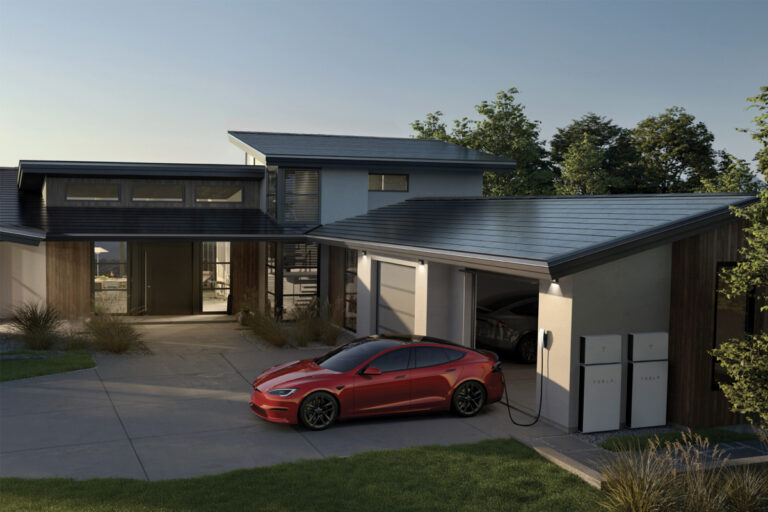
Additionally, local electrical grid capacity plays a practical role. In regions with high distributed solar saturation, midday generation spikes can saturate local distribution transformers. Designing properties with intelligent behind-the-meter energy storage ensures that surplus renewable generation is captured locally rather than causing grid curtailment.
Conclusion
Executing top solar roof replacement plans requires an uncompromising commitment to structural engineering, material science, and cross-trade synchronization. By moving past superficial marketing narratives and embracing rigorous performance frameworks, property owners can deploy energy assets that protect building envelopes, minimize operational risk, and deliver enduring long-term value. True success in this domain demands patience, intellectual honesty, and an unwavering focus on systemic harmony over short-term expediency.