Luxury Off Grid Estates USA: The Definitive Guide
The architectural and geographic configuration of secluded high-end residential planning has undergone a profound structural shift over the past decade. Because of this, luxury off grid estates usa has become a critical benchmark for high-net-worth individuals seeking absolute privacy, technological redundancy, and ecological resilience. Traditional municipal utility grids and metropolitan real estate markets face compounding pressures from extreme weather volatility, grid aging, and escalating security vulnerabilities. Therefore, forward-thinking property owners and specialized project developers are turning their attention toward remote, self-sustaining landholdings centered on total resource autonomy.
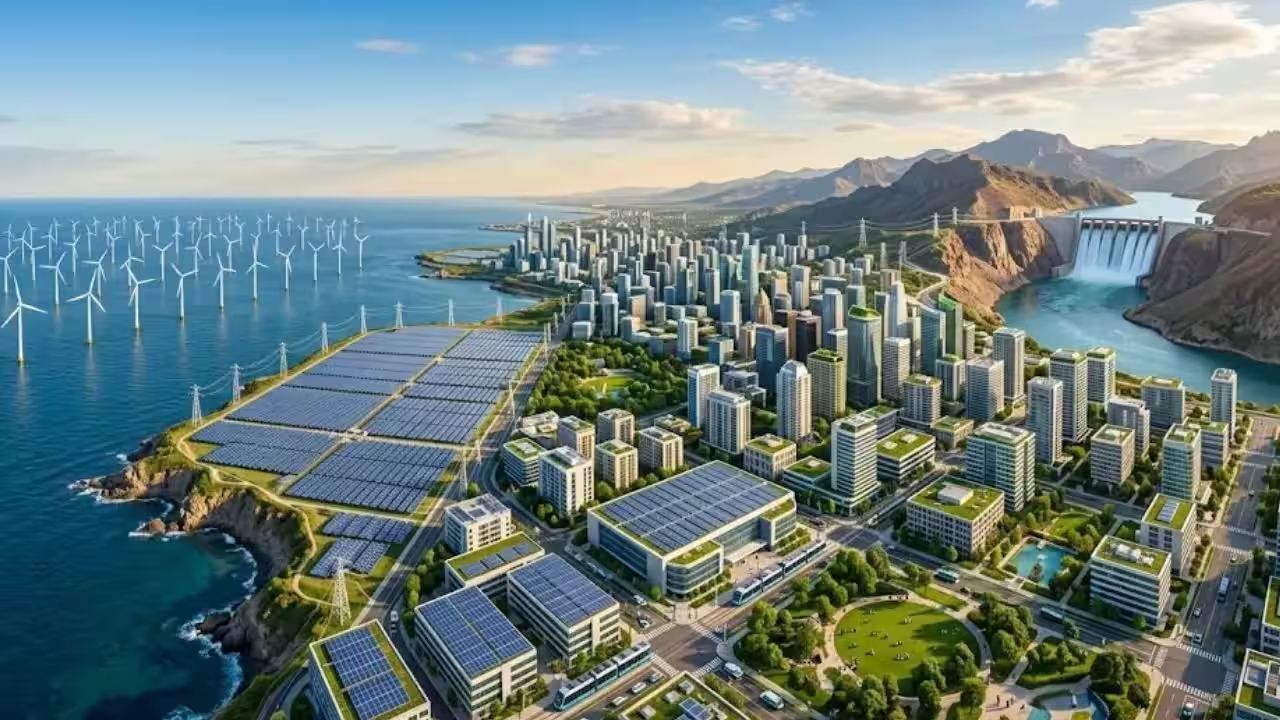
Evaluating the structural viability, engineering models, and long-term asset performance of these remote sanctuaries requires moving far past standard marketing glossies and rustic homesteading tropes. This inquiry demands an unvarnished look at how utility-scale solar arrays, advanced battery energy storage systems, deep-well hydrology, satellite-linked broadband networks, and hardened building envelopes converge. As a result, they alter the fundamental economics of high-end habitation across the nation’s most remote mountain ranges, arid deserts, and coastal archipelagos.
Understanding “luxury off grid estates usa”
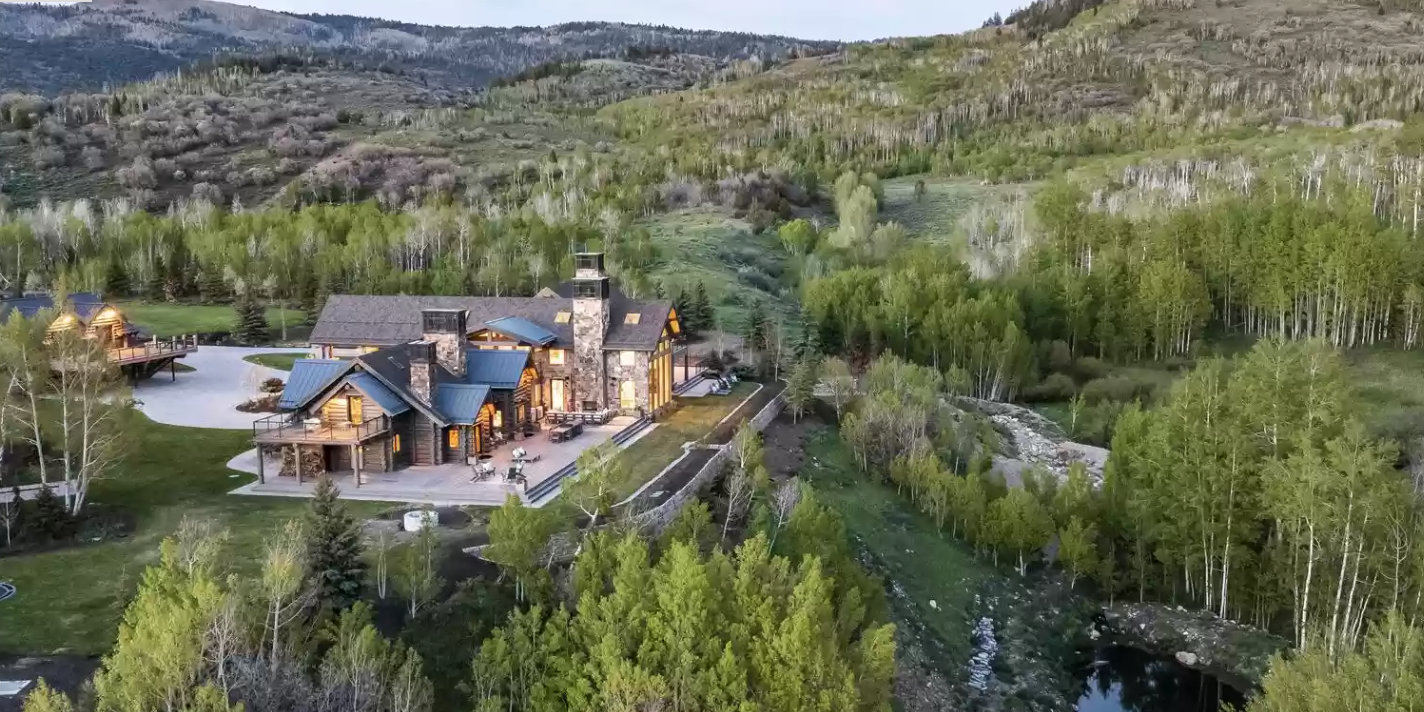
Assessing the criteria that define top-tier autonomous living reveals a wide chasm between superficial marketing claims and genuine systemic engineering. The category of luxury off grid estates usa is frequently sensationalized by luxury real estate brokers. They use it to describe any sprawling mountain cabin or desert home featuring standard rooftop solar panels or a backup propane generator. However, true engineering integrity, absolute operational independence, and architectural refinement require a much deeper standard of evaluation.
A common misconception is that any remote property disconnected from municipal power lines automatically qualifies as an elite autonomous asset. In reality, rustic cabins that rely heavily on frequent trucked-in propane deliveries and manual generator maintenance operate with fragile supply chains. True leadership-class properties integrate energy, water, waste, and communications generation at the master-planning phase. They couple industrial-grade microgeneration with automated resource balancing and commercial-grade security architecture.
Oversimplification risks also plague how analysts and buyers judge these high-end landholdings. Counting total photovoltaic capacity ignores the critical metric of holistic system redundancy and thermodynamic efficiency. A residence can feature massive solar arrays, but if its thermal envelope leaks conditioned air, the system will fail during an extended winter storm. The structural reality of elite remote properties relies on simultaneous optimization: minimizing baseline thermal loads while ensuring multi-tiered backup generation across all vital lifelines.
Deep Contextual Background
The evolution of remote high-end habitation emerged from decades of convergence between military-grade hardening techniques, green building innovations, and shifting cultural preferences regarding privacy. Early iterations of off-grid living in the late twentieth century typically manifested as rustic, ideological homesteads that prioritized minimal energy consumption over comfort and structural sophistication. Consequently, these pioneering projects remained incompatible with the lifestyle expectations of high-net-worth buyers.
By the early 2010s, advancements in lithium-ion battery chemistry, high-efficiency heat pumps, and satellite communications revolutionized what was possible in remote geography. Wealthy buyers began demanding urban-level architectural luxury paired with total detachment from municipal municipal vulnerabilities. Specialized engineering firms emerged to design complex mechanical ecosystems that could support luxury residences thousands of feet above sea level or deep within arid wilderness tracts.
The turning point arrived when intelligent building management systems could seamlessly integrate solar photovoltaic arrays, wind generators, backup diesel or biofuel generators, and massive battery banks into a unified, automated dashboard. This systemic shift allowed remote properties to achieve continuous habitation comfort without sacrificing modern conveniences like climate control, high-speed data connectivity, and high-end security.
Conceptual Frameworks and Mental Models
Analyzing how modern autonomous properties operate requires structured mental models. These mental models strip away marketing rhetoric and expose underlying engineering realities.
-
The Lifeline Redundancy Triangle: This framework evaluates whether a property maintains at least three independent vectors for every critical resource, including power, water, and communications.
-
The Autonomy-to-Convenience Ratio: This model measures the friction between living independently and maintaining the seamless user experience expected in luxury real estate.
-
The Logistic Vulnerability Index: This evaluates a property’s exposure to supply chain failures, such as fuel delivery interruptions or specialized parts shortages, based on its geographic remoteness.
-
The Structural Hardening Hierarchy: This model dictates that physical protection against natural and man-made threats must be integrated into the core architectural shell rather than applied as superficial afterthoughts.
Key Categories or Variations
Autonomous luxury landholdings across the United States generally fall into distinct structural categories, each defined by unique geographic challenges, engineering approaches, and trade-offs.
-
Mountain Alpine Strongholds: High-elevation properties characterized by heavy snow loads, seismic activity, and severe winter isolation, relying heavily on solar-hydro hybrid generation.
-
Arid Desert Compound Estates: Properties situated in high-desert environments requiring sophisticated passive cooling, deep aquifer water harvesting, and extreme dust mitigation.
-
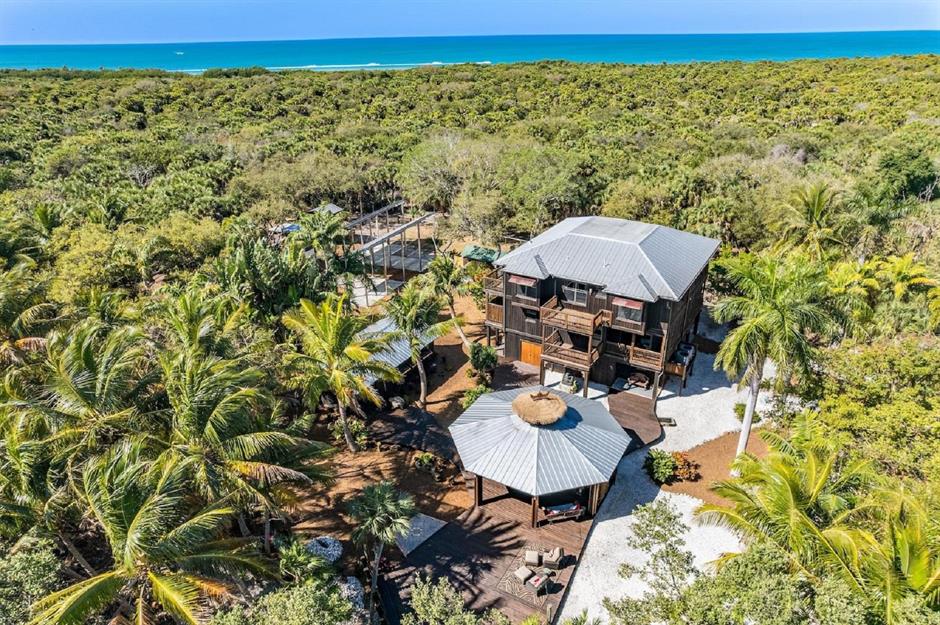
Remote Coastal Peninsula Sanctuaries: Oceanfront or island properties facing saltwater corrosion, high winds, and complex marine waste management requirements.
-
Forest Wilderness Enclaves: Expansive timberland estates utilizing biomass energy systems, advanced wildfire defensible perimeters, and localized microgrids.
-
Agricultural-Scale Ranch Compounds: Massive working landholdings combining luxury residential quarters with commercial-scale renewable generation and agricultural water rights.
-
Sub-Arctic Northern Retreats: Extreme latitude estates engineered for months of minimal sunlight, requiring ultra-thick thermal envelopes and multi-redundant backup heat sources.
Structural Comparison of Autonomous Property Models
| Property Category | Primary Energy Source | Water Autonomy Vector | Primary Environmental Risk | Resilience Index |
| Mountain Alpine Strongholds | Solar + Micro-Hydro | Spring Box + Deep Well | Heavy Snow / Avalanches | High |
| Arid Desert Compounds | Utility-Scale Solar + BESS | Deep Aquifer + Atmospheric Gen | Extreme Heat / Dust | Moderate-High |
| Coastal Peninsula Sanctuaries | Wind + Solar Hybrid | Desalination + Rain Catchment | Hurricanes / Salt Corrosion | High |
| Forest Wilderness Enclaves | Biomass + Solar + Generator | Well Water + Storage Cisterns | Wildfires / Timber Fall | Moderate-High |
| Agricultural Ranch Compounds | Ground-Mount Solar + Wind | Surface Rights + Deep Aquifers | Drought / Isolation | Maximum |
Choosing among these variations requires balancing environmental aesthetics against logistical realities. Alpine strongholds offer dramatic elevation views, but they demand heavy snow-clearing infrastructure. Conversely, desert compounds provide vast horizon views, but they require rigorous management of thermal loads and dust accumulation on photovoltaic surfaces.
Detailed Real-World Scenarios
To understand how these theoretical frameworks manifest in actual practice, consider several distinct operational scenarios.
Scenario A: Multi-Week Winter Storm Isolation in the Rocky Mountains
During an unprecedented winter blizzard that drops six feet of snow and severs access roads for three weeks, a mountain alpine stronghold transitions to total operational isolation. Because the estate features a multi-tiered solar array paired with a commercial-grade battery bank and an automated backup propane generator, interior climate control and life-support systems function without interruption. However, a second-order effect emerges regarding solar panel snow cover; heavy accumulation obstructs generation, forcing automated snow-melt loops and manual clearing to prevent power deficits.
Scenario B: Extended Grid and Supply Disruption in Desert Compounds
In a high-desert estate situated in the Southwest, a regional fuel distribution crisis coincides with a prolonged summer heatwave. The property relies primarily on solar generation and battery storage during the day, but high air-conditioning loads accelerate battery depletion. When automated systems signal low reserves, the estate transitions to its backup biofuel generator. A failure mode emerges if locally stored biofuel supplies are miscalculated, requiring strict automated load-shedding protocols to prioritize critical refrigeration and communications equipment over non-essential zones.
Scenario C: Hurricane Impact on Remote Coastal Peninsulas
A coastal peninsula sanctuary faces a severe Category 4 hurricane that knocks out regional communications and damages local infrastructure. The estate’s subterranean utility vaults and wind-rated hurricane shutters protect core mechanical systems from storm surge and wind-borne debris. While surrounding municipalities lose power for months, the property’s microgrid maintains operational integrity. Nevertheless, wind-driven salt spray coats the exterior solar panels, degrading energy capture efficiency until freshwater rinsing teams can safely access the arrays.
Planning, Cost, and Resource Dynamics
The economic architecture of developing and maintaining top-tier autonomous properties involves complex interactions between direct capital outlays, hidden logistical overheads, and specialized engineering expenses.
Upfront costs for land development in remote regions far exceed standard suburban or urban construction budgets. Owners must absorb heavy capital expenditures associated with private road construction, site grading, microgrid engineering, water well drilling, satellite uplink installation, and heavy equipment mobilization. These costs are typically justified by the privacy, security, and long-term operating independence they afford.
However, evaluating these figures purely through initial acquisition and construction costs creates an incomplete picture. The ongoing maintenance burden requires specialized technical oversight. In contrast to conventional homes serviced by municipal utilities, remote estates demand resident or contracted engineering expertise to service inverters, pumps, generators, and security systems.
Financial and Operational Resource Metrics
| Cost & Resource Vector | Conventional Luxury Estate | Advanced Autonomous Estate |
| Initial Land & Development | Standard Market Pricing | $+20\%$ to $+100\%$ Premium for Infrastructure |
| Monthly Utility Outlay | High Variable Municipal Bills | Zero Utility Bills; High Capital Maintenance |
| Maintenance Burden | Standard Contractor Network | Specialized Resident Engineer / Service Contracts |
| Security & Surveillance | Standard Alarm Monitoring | Multi-Layered Perimeter Hardening & Redundant Comms |
| Asset Resale Liquidity | High Market Liquidity | Niche Market; Highly Dependent on Buyer Pool |
Tools, Strategies, and Support Systems
Maintaining optimal performance across a complex remote property requires sophisticated software, telemetry, and hardware support systems.
-
SCADA Supervisory Platforms: Centralized digital control dashboards that monitor real-time energy generation, battery state-of-charge, and water reservoir levels across the estate.
-
Automated Load-Shedding Controllers: Intelligent electrical switchgear that automatically disconnects non-essential circuits during low-generation weather events.
-
Satellite Broadband Arrays: Redundant multi-constellation satellite internet terminals ensuring uninterrupted high-speed data connectivity regardless of terrestrial failures.
-
Subterranean Geothermal Loops: Closed-loop piping networks that utilize stable deep-earth temperatures to temper heating and cooling loads efficiently.
-
Automated Fire Suppression Perimeters: High-pressure misting systems and defensible space irrigation pumps triggered by thermal smoke and ember sensors.
-
Water Purification and UV Sterilization Grids: Multi-stage filtration systems that process raw well water or rainwater into potable standards automatically.
-
Remote Telemetry Diagnostics: Cellular and satellite linkups that allow off-site engineering firms to diagnose mechanical faults before dispatching technicians.
Risk Landscape and Failure Modes
Every complex technical system harbors inherent vulnerabilities. A clear-eyed evaluation of remote properties requires categorizing compounding risks.
-
Single-Point Mechanical Failures: If a primary inverter or water pump fails without a redundant secondary unit, the entire subsystem can experience total operational collapse.
-
Logistical Isolation Hazards: Inability to transport replacement parts or service technicians during severe weather events can leave estates operating on degraded backup systems for weeks.
-
Fuel Degradation and Contamination: Stored diesel or biofuel reserves can degrade or develop microbial growth over time if not chemically treated and cycled regularly.
-
Cybersecurity Vulnerabilities: Internet-connected automation systems, while necessary for remote management, introduce potential vectors for digital intrusion if network security is lax.
-
Wildfire and Natural Catastrophe Exposure: Remote geographic settings inherently increase exposure to fast-moving wildfires, flash floods, or seismic shifts where emergency response times are severely delayed.
Governance, Maintenance, and Long-Term Adaptation
The long-term viability of an autonomous estate depends heavily on rigorous institutional maintenance schedules and operational protocols. When initial construction concludes, property owners must establish strict oversight routines to prevent mechanical degradation.
Effective management models incorporate mandatory multi-year asset reserve funds specifically earmarked for component replacement, such as inverter overhauls, battery bank renewals, and well-pump servicing. Comprehensive maintenance logs ensure that routine filter changes, fluid analyses, and firmware updates are never missed.
Layered Maintenance and Review Checklist
-
[ ] Monthly: Testing of backup generator automatic transfer switches and verification of stored fuel quality parameters.
-
[ ] Quarterly: Comprehensive inspection and cleaning of solar photovoltaic arrays, wind turbine brakes, and rainwater catchment filters.
-
[ ] Semi-Annually: Software firmware audits, network security patch applications, and telemetry backup checks.
-
[ ] Annually: Professional water quality laboratory testing, well flow-rate evaluations, and HVAC geothermal loop calibration.
-
[ ] Triennially: Actuarial reserve fund review to ensure capital pooling aligns with projected lithium-ion battery replacement timelines.
Measurement, Tracking, and Evaluation
Assessing whether an autonomous property is fulfilling its operational promise requires tracking a precise balance of technical indicators.
-
Leading Indicators: Metrics that predict future system reliability, such as battery round-trip efficiency trends and generator load-test response times.
-
Lagging Indicators: Historical performance markers, including total downtime hours, annual fuel consumption totals, and maintenance expenditure ratios.
-
Quantitative Signals: Kilowatt-hours generated versus consumed, water reservoir storage percentages, and network latency metrics.
-
Qualitative Signals: Resident comfort satisfaction, thermal stability consistency, and perceived psychological security.
Documentation and Verification Examples
-
Microgrid Performance Logs: Automated data records tracking voltage stability, frequency regulation, and islanding performance during grid isolation tests.
-
Hydrological Audit Reports: Comprehensive well-depth and aquifer recharge documentation verifying long-term water security.
-
Structural Hardening Certifications: Engineering compliance audits verifying that building envelopes meet high-wind, seismic, and wildfire resistance standards.
Common Misconceptions and Oversimplifications
Dissecting the topic of advanced autonomous properties requires dismantling persistent myths that cloud public understanding.
-
Myth 1: Luxury off-grid living means sacrificing modern comforts. Correction: Modern engineering allows remote estates to operate with the same climate control, entertainment, and appliance standards as luxury urban penthouses.
-
Myth 2: Solar panels and batteries eliminate the need for fossil fuel backups. Correction: In northern latitudes or during extended winter storms, backup generators remain vital for long-term survival and reliability.
-
Myth 3: Remote properties require zero ongoing maintenance once built. Correction: Complex mechanical, electrical, and plumbing ecosystems demand active daily monitoring and rigorous professional servicing.
-
Myth 4: Water sourcing is solved entirely by digging a deep well. Correction: Subterranean water quality can fluctuate wildly, requiring sophisticated multi-stage filtration and purification systems.
-
Myth 5: Off-grid estates are legally unregulated. Correction: Owners must navigate complex local county zoning laws, environmental impact assessments, water rights laws, and building codes.
-
Myth 6: Satellite internet completely eliminates remote connectivity challenges. Correction: Severe atmospheric storms, heavy canopy coverage, and hardware maintenance can still impact satellite data throughput.
Ethical, Practical, and Contextual Considerations
Developing extensive landholdings in remote wilderness areas introduces significant ethical and ecological questions. Large-scale private developments can fragment critical wildlife corridors, disrupt local watershed hydrology, and increase regional wildfire management burdens on public agencies. Responsible stewardship requires minimizing the physical footprint of the estate, utilizing native landscaping to preserve local biodiversity, and adhering to strict ecological preservation easements. Furthermore, respect for regional indigenous heritage and local rural community dynamics is essential for long-term harmonious co-existence in secluded geographic regions.
Conclusion
The evolution of luxury off grid estates usa represents a fundamental maturation in how high-net-worth individuals approach personal security, resource resilience, and architectural autonomy. Designing, constructing, and maintaining estates capable of sustaining complete independence requires deep alignment between architectural physics, advanced mechanical engineering, financial rigor, and long-term asset management.
While challenges remain regarding logistical complexity, capital intensity, and specialized maintenance requirements, these properties offer a resilient blueprint for the future of remote habitation. Success ultimately relies not on utopian marketing narratives, but on patient adherence to engineering fundamentals, multi-tiered redundancy, and adaptive management over decades of continuous operation.