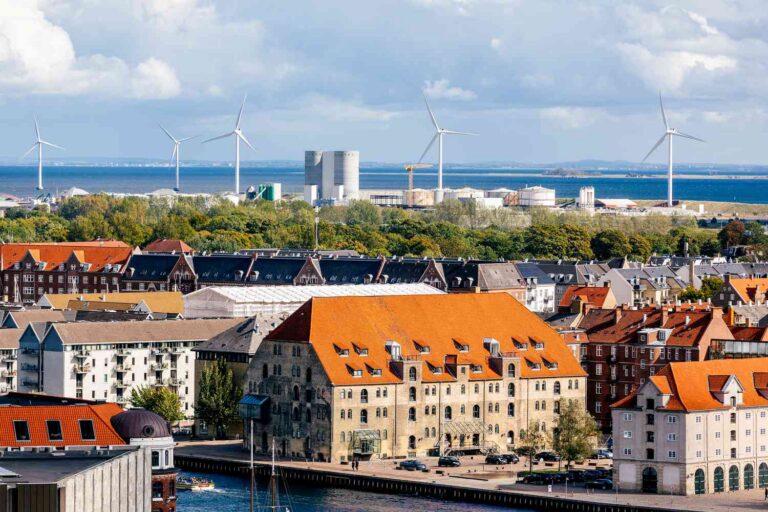
Top Sustainable Communities in America: The Definitive Guide
The structural and ecological configuration of modern human settlement has undergone a profound transformation. Because of this, top sustainable communities in america has become a critical benchmark for municipal planners, regional developers, and environmental scientists alike. Conventional suburban sprawl and aging metropolitan utility grids face compounding pressures from climate volatility, resource scarcity, and escalating infrastructure maintenance deficits. Therefore, forward-thinking developers and municipal authorities are turning their attention toward master-planned developments centered on closed-loop resource management, renewable microgrids, and high-density ecological preservation.
Evaluating the structural viability, engineering models, and long-term asset performance of these settlements requires moving far past standard marketing glossies and promotional environmental claims. This inquiry demands an unvarnished look at how utility-scale solar installations, geothermal district loops, advanced stormwater biofiltration networks, and strict architectural codes converge. As a result, they alter the fundamental economics of modern residential habitation across the nation’s most progressive geographic regions.
Understanding “top sustainable communities in america”

Assessing the criteria that define elite ecological settlements reveals a wide chasm between superficial marketing claims and genuine systemic engineering. The category of top sustainable communities in america is frequently sensationalized by real estate developers and regional chambers of commerce. They use it to describe any suburban subdivision featuring energy-efficient appliances or a preserved tract of open green space. However, true engineering integrity, absolute operational efficiency, and long-term ecological resilience require a much deeper standard of evaluation.
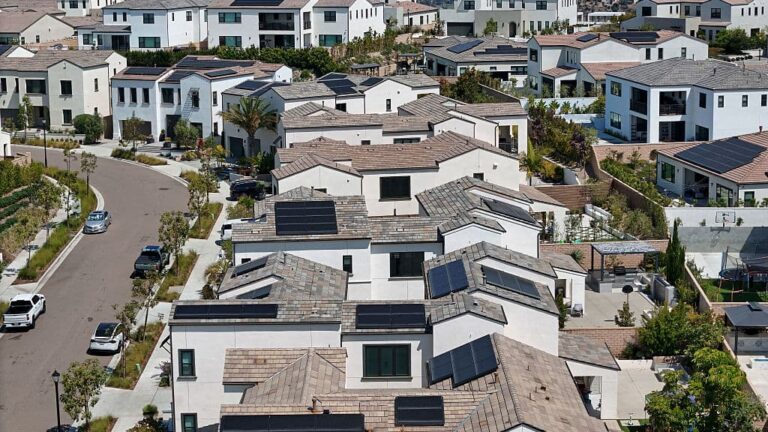
A common misconception is that any housing development featuring rooftop solar panels or a community garden automatically qualifies as an elite sustainable settlement. In reality, standard subdivisions with disparate, homeowner-installed solar arrays operate entirely dependent on traditional net metering policies and centralized fossil-fuel utility grids. True leadership-class developments integrate energy, water, waste, and transit generation at the master-planning phase. They couple industrial-grade microgeneration with automated resource balancing, shared mobility networks, and commercial-grade regenerative infrastructure.
Oversimplification risks also plague how analysts and buyers judge these master-planned settlements. Counting total photovoltaic capacity ignores the critical metric of holistic system redundancy and embodied carbon. A community can feature massive solar farms, but if its transportation design forces heavy automobile dependency, the settlement’s carbon footprint remains high. The structural reality of elite sustainable developments relies on simultaneous optimization: minimizing baseline thermal loads, eliminating automobile commuting requirements, and ensuring multi-tiered resource autonomy.
Deep Contextual Background
The evolution of modern sustainable residential planning emerged from decades of convergence between the New Urbanism movement, ecological design principles, and shifting cultural preferences regarding resource conservation. Early iterations of sustainable housing in the late twentieth century typically manifested as isolated, experimental eco-villages or intentional communes. These pioneering projects prioritized ideological purity over economic scalability, rendering them inaccessible to mainstream homebuyers and incompatible with standard municipal zoning codes.
By the early 2010s, advancements in smart-grid technology, high-efficiency heat pumps, and district-scale geothermal engineering revolutionized what was possible in regional master planning. Progressive developers began partnering with municipal planners to design complex mechanical ecosystems that could support thousands of residents while maintaining a net-positive environmental profile. Specialized civil engineering firms emerged to design integrated stormwater networks and community microgrids that decoupled developments from vulnerable municipal utilities.
The turning point arrived when intelligent community management systems could seamlessly integrate solar photovoltaic arrays, battery storage banks, greywater recycling plants, and high-density transit corridors into a unified operational dashboard. This systemic shift allowed master-planned regions to achieve continuous habitation comfort without sacrificing modern conveniences like high-speed data connectivity, architectural variety, and robust economic opportunity.
Conceptual Frameworks and Mental Models
Analyzing how modern sustainable developments operate requires structured mental models. These mental models strip away marketing rhetoric and expose underlying engineering realities.
-
The Closed-Loop Resource Matrix: This framework evaluates whether a settlement captures, treats, and reuses its own water and organic waste streams locally rather than exporting them to municipal facilities.
-
The Transit-to-Density Ratio: This model measures the friction between sprawling land use and efficient public transit infrastructure, dictating that sustainable developments must concentrate density around mobility hubs.
-
The Embodied-to-Operational Carbon Balance: This evaluates a project’s total lifecycle emissions, ensuring that the carbon emitted during initial construction is offset by rapid operational efficiencies.
-
The Community Governance Resilience Model: This structural model assesses whether resident associations possess the technical competence and financial reserves to manage complex infrastructure over multi-decade lifecycles.
Key Categories or Variations
Sustainable residential developments across the United States generally fall into distinct structural categories, each defined by unique geographic challenges, engineering approaches, and trade-offs.
-
Agrihood Subdivisions: Master-planned communities centered around working organic farms that integrate agricultural production with high-density residential housing and stormwater retention wetlands.
-
Net-Zero Urban Villages: High-density urban infill developments utilizing mass timber construction, district-scale geothermal loops, and mandatory passive house building codes.
-
Eco-Master-Planned Suburbs: Expansive suburban developments featuring dedicated utility-scale solar microgrids, strict native landscaping covenants, and dedicated multi-use trail networks.
-
Coastal Resilience Communities: Waterfront developments engineered with raised structural foundations, living shoreline breakwaters, and decentralized stormwater management systems.
-
Desert Conservation Enclaves: Arid settlements utilizing subterranean thermal cooling, advanced greywater recycling, and strict limits on turf landscaping.
-
Mountain Eco-Resort Villages: High-elevation communities balancing high-density pedestrian tourism zones with strict watershed protection and biomass heating networks.
Structural Comparison of Sustainable Community Models
| Community Category | Primary Energy Model | Water Autonomy Vector | Primary Environmental Risk | Resilience Index |
| Agrihood Subdivisions | Distributed Solar + BESS | Reclaimed Irrigation + Wells | Agricultural Runoff / Drought | Moderate-High |
| Net-Zero Urban Villages | District Geothermal + BIPV | Municipal + Rain Catchment | Urban Heat Island / Grid Fail | High |
| Eco-Master-Planned Suburbs | Community Solar Microgrid | Deep Aquifer + Bioswales | Wildfire Exposure / Sprawl | Moderate |
| Coastal Resilience Communities | Rooftop Solar + Storage | Desalination + Rain Systems | Storm Surge / Sea Level Rise | High |
| Desert Conservation Enclaves | Utility Solar + Storage | Advanced Greywater Recycle | Extreme Heat / Water Scarcity | Maximum |
Choosing among these variations requires balancing environmental aesthetics against regional climate realities. Agrihoods offer rich community engagement and local food production, but they demand continuous agricultural management. Conversely, net-zero urban villages maximize land efficiency and transit access, but they require high initial capital outlays and complex zoning approvals.
Detailed Real-World Scenarios
To understand how these theoretical frameworks manifest in actual practice, consider several distinct operational scenarios.
Scenario A: Severe Municipal Grid Collapse During Extreme Weather
During an unprecedented regional winter storm that knocks out transmission lines across multiple counties, a net-zero urban village isolates its local distribution loop. Because the community features a centralized district microgrid paired with community battery storage, interior climate control and life-support systems function without interruption. However, a second-order effect emerges regarding snow accumulation on solar panels; heavy ice build-up obstructs generation, forcing automated thermal clearing loops and manual maintenance dispatch to prevent power deficits.
Scenario B: Extended Drought and Aquifer Stress in Desert Enclaves
In a desert conservation enclave situated in the Southwest, a prolonged multi-year drought triggers strict regional water restrictions. The development relies on deep wells and advanced greywater recycling systems. While surrounding conventional developments face severe water shortages, the community’s dual-pipe infrastructure separates potable water from treated greywater used for subsurface landscape irrigation. A failure mode emerges if residents fail to maintain strict indoor conservation habits, requiring automated flow regulators to restrict non-essential consumption.
Scenario C: Coastal Storm Surge and Salinity Intrusion
A coastal resilience community faces a severe hurricane that pushes storm surge across local flood barriers. The development’s subterranean utility vaults and elevated microgrid switchgear protect core electrical infrastructure from salt-water inundation. While surrounding coastal municipalities lose power and potable water for weeks, the community’s raised cisterns maintain pressure. Nevertheless, wind-driven salt spray coats exterior solar collectors, degrading energy capture efficiency until specialized washing crews can safely service the arrays.
Planning, Cost, and Resource Dynamics
The economic architecture of developing and maintaining top-tier sustainable communities involves complex interactions between direct capital outlays, hidden logistical overheads, and specialized engineering expenses.
Upfront costs for land development in sustainable master-planned projects far exceed standard suburban construction budgets. Developers must absorb heavy capital expenditures associated with advanced civil engineering, underground microgrid wiring, dual-pipe water infrastructure, wetland biofiltration construction, and high-performance building envelope requirements. These costs are typically offset over time through premium residential property valuations and drastically reduced municipal maintenance burdens.
However, evaluating these figures purely through initial acquisition and construction costs creates an incomplete picture. The ongoing maintenance burden requires specialized technical oversight. In contrast to conventional subdivisions serviced entirely by municipal departments, sustainable communities demand professional property associations capable of servicing microgrids, geothermal pumps, and ecological wetlands.
Financial and Operational Resource Metrics
| Cost & Resource Vector | Conventional Subdivision | Advanced Sustainable Community |
| Initial Real Estate Development | Standard Land Grading & Paving | $+15\%$ to $+30\%$ Premium for Ecological Infrastructure |
| Monthly Utility Outlay | High Variable Municipal Bills | Zero-to-Negative Net Utility Bills; HOA Maintenance Fees |
| Maintenance Burden | Municipal Public Works Dept. | Specialized District Engineering Contracts & HOA Oversight |
| Transportation Expenditure | High Fuel & Vehicle Ownership Costs | Low Cost via Shared Mobility & Multi-Use Trails |
| Long-Resale Liquidity | Standard Market Depreciation | High Valuation Retention & Strong Buyer Demand |
Tools, Strategies, and Support Systems
Maintaining optimal performance across a complex sustainable community requires sophisticated software, telemetry, and hardware support systems.
-
SCADA Supervisory Platforms: Centralized digital control dashboards that monitor real-time energy generation, microgrid frequency, and district water storage levels.
-
Automated Demand Response Controllers: Intelligent electrical switchgear that automatically curtails non-essential community loads during peak regional grid demand events.
-
Geographic Information Systems (GIS): Spatial mapping tools used by community managers to track urban tree canopies, stormwater drainage bioswales, and soil moisture levels.
-
Subterranean Geothermal Loops: Closed-loop piping networks that utilize stable deep-earth temperatures to temper district heating and cooling loads efficiently.
-
Automated Wastewater Recycling Plants: Membrane bioreactors that process residential blackwater and greywater into high-grade irrigation water automatically.
-
Smart Mobility Fleets: Community-owned electric vehicle sharing networks and micro-mobility stations integrated directly into residential zoning hubs.
-
Remote Telemetry Diagnostics: Cellular and fiber-optic linkups that allow off-site engineering firms to diagnose mechanical faults in district microgrids before dispatching technicians.
Risk Landscape and Failure Modes
Every complex technical system harbors inherent vulnerabilities. A clear-eyed evaluation of sustainable communities requires categorizing compounding risks.
-
Single-Point District Infrastructure Failures: If a central geothermal heat pump or microgrid inverter fails without a redundant secondary unit, an entire neighborhood sector can experience service disruption.
-
Homeowner Association Governance Failure: As original developers transfer control to resident boards, loss of technical expertise can lead to deferred maintenance on complex ecological systems.
-
Regulatory and Zoning Friction: Outdated municipal building codes often clash with innovative sustainable designs, resulting in costly permitting delays and legal hurdles.
-
Cybersecurity Vulnerabilities: Internet-connected community automation systems introduce potential vectors for digital intrusion targeting district energy and water grids.
-
Ecological Maintenance Over-Reliance: Natural stormwater wetlands and living shorelines require active ecological management; neglect can lead to invasive species overgrowth and drainage failure.
Governance, Maintenance, and Long-Term Adaptation
The long-term viability of a sustainable community depends heavily on rigorous institutional governance schedules and operational protocols. When initial construction concludes, community leadership must establish strict oversight routines to prevent mechanical and ecological degradation.
Effective management models incorporate mandatory multi-year asset reserve studies specifically earmarked for infrastructure renewal, such as microgrid inverter overhauls, battery bank replacements, and wetland dredging. Comprehensive maintenance logs ensure that routine filter changes, fluid analyses, and ecological audits are never missed.
Layered Maintenance and Review Checklist
-
[ ] Monthly: Testing of microgrid automated transfer switches and verification of water recycling biological health parameters.
-
[ ] Quarterly: Comprehensive inspection and cleaning of solar photovoltaic arrays, stormwater bioswales, and drainage culverts.
-
[ ] Semi-Annually: Software firmware audits, network security patch applications, and smart meter telemetry checks.
-
[ ] Annually: Professional water quality laboratory testing, well flow-rate evaluations, and district geothermal loop calibration.
-
[ ] Triennially: Actuarial reserve fund review to ensure capital pooling aligns with projected lithium-ion battery and inverter replacement timelines.
Measurement, Tracking, and Evaluation
Assessing whether a sustainable community is fulfilling its operational promise requires tracking a precise balance of technical indicators.
-
Leading Indicators: Metrics that predict future system reliability, such as battery round-trip efficiency trends and wastewater biological digestion rates.
-
Lagging Indicators: Historical performance markers, including total carbon offset totals, annual grid power import ratios, and maintenance expenditure indices.
-
Quantitative Signals: Megawatt-hours generated versus consumed, potable water gallons saved, and multi-modal transit mode-split percentages.
-
Qualitative Signals: Resident social cohesion surveys, thermal indoor comfort consistency, and perceived neighborhood safety satisfaction.
Documentation and Verification Examples
-
District Microgrid Performance Logs: Automated data records tracking voltage stability, frequency regulation, and islanding performance during regional grid outages.
-
Hydrological Audit Reports: Comprehensive well-depth and aquifer recharge documentation verifying long-term water resource sustainability.
-
Green Building Certifications: Comprehensive documentation confirming that community residential units meet LEED, Living Community Challenge, or Passive House standards.
Common Misconceptions and Oversimplifications
Dissecting the topic of advanced sustainable communities requires dismantling persistent myths that cloud public understanding.
-
Myth 1: Sustainable communities are utopian enclaves detached from economic reality. Correction: Successful sustainable developments operate within rigorous market-rate real estate frameworks, balancing environmental goals with financial profitability.
-
Myth 2: Renewable microgrids eliminate the need for traditional utility ties. Correction: The most resilient communities maintain robust grid connections while retaining local islanding capabilities for emergency resilience.
-
Myth 3: Ecological infrastructure requires zero ongoing maintenance once built. Correction: Complex mechanical ecosystems, solar arrays, and natural stormwater wetlands demand active professional oversight and continuous upkeep.
-
Myth 4: All sustainable developments emphasize rural or suburban agricultural settings. Correction: Many of the most advanced sustainable settlements are high-density urban infill projects maximizing land efficiency.
-
Myth 5: Sustainable community living forces residents into restrictive behavioral lifestyles. Correction: Modern master planning focuses on systemic environmental efficiency, allowing residents to maintain standard modern lifestyles while lowering their carbon footprint.
-
Myth 6: Water recycling systems pose health risks to residents. Correction: Advanced multi-stage membrane bioreactors and UV sterilization ensure recycled water exceeds standard potable and irrigation safety thresholds.
Ethical, Practical, and Contextual Considerations
Developing extensive master-planned communities introduces significant ethical and socioeconomic questions. Large-scale sustainable developments can inadvertently accelerate regional gentrification, driving up surrounding real estate costs and displacing lower-income populations. Responsible planning requires integrating affordable housing mandates, ensuring equitable access to green amenities, and engaging surrounding historical communities in collaborative dialogue. Furthermore, respecting regional indigenous heritage and preserving local watershed integrity is essential for long-term harmonious co-existence in growing regional ecosystems.
Conclusion
The evolution of top sustainable communities in america represents a fundamental maturation in how human settlements approach resource security, environmental stewardship, and architectural resilience. Designing, constructing, and maintaining developments capable of sustaining high resource autonomy requires deep alignment between civil engineering, advanced energy systems, financial rigor, and long-term community governance.
While challenges remain regarding capital intensity, regulatory headwinds, and complex maintenance requirements, these master-planned settlements offer a resilient blueprint for the future of the built environment. Success ultimately relies not on utopian marketing narratives, but on patient adherence to engineering fundamentals, multi-tiered redundancy, and adaptive management over decades of continuous operation.