Luxury Green Living USA: The Definitive Guide
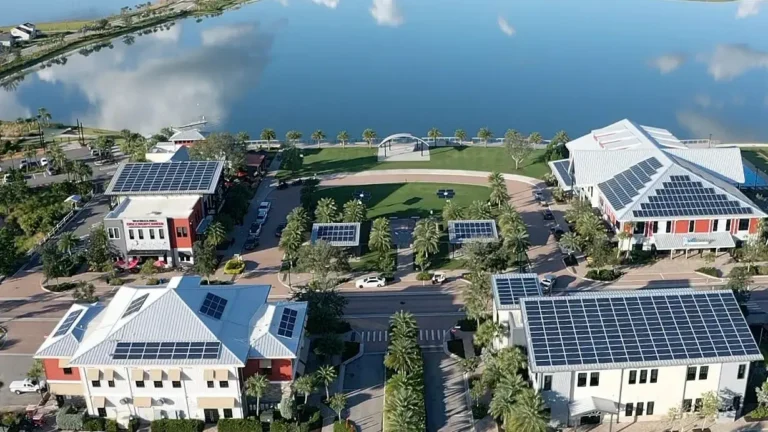
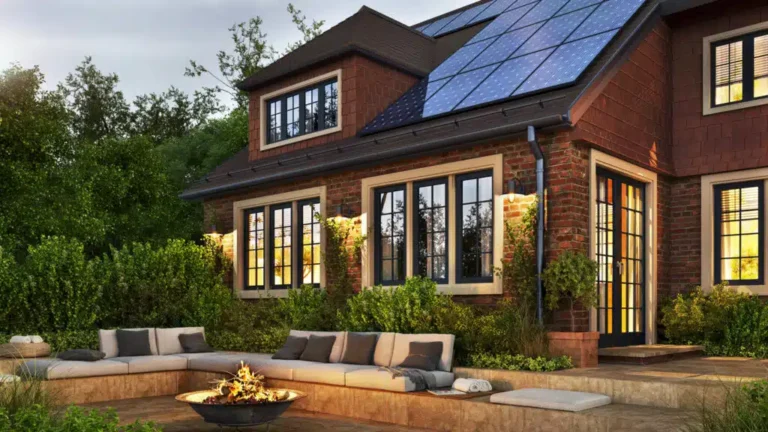
The architectural, material, and lifestyle configuration of high-end residential real estate has shifted significantly over the past decade. Because of this, luxury green living usa has become a critical benchmark for affluent homeowners, elite residential architects, and sustainable real estate developers. Traditional luxury estates characterized by sprawling energy footprints, resource-intensive maintenance, and fossil-fuel dependency face compounding pressures from climate volatility, rising energy costs, and evolving environmental standards. Therefore, forward-thinking property owners and specialized project developers are turning their attention toward high-performance residences. Specifically, these properties center on advanced building-integrated photovoltaics, net-zero carbon footprints, biophilic interior architecture, and closed-loop water management systems.
Evaluating the structural viability, operational integrity, and long-term asset performance of these advanced sustainable properties requires moving far beyond standard marketing glossies and superficial green-certified paint finishes. This inquiry demands an unvarnished look at how commercial-grade battery storage vaults, geothermal heating loops, non-toxic reclaimed building materials, and automated smart-home resource management converge. As a result, they alter the fundamental economics, aesthetic standards, and environmental footprint of luxury residential habitation across the nation’s most progressive geographic regions.
Understanding “luxury green living usa”
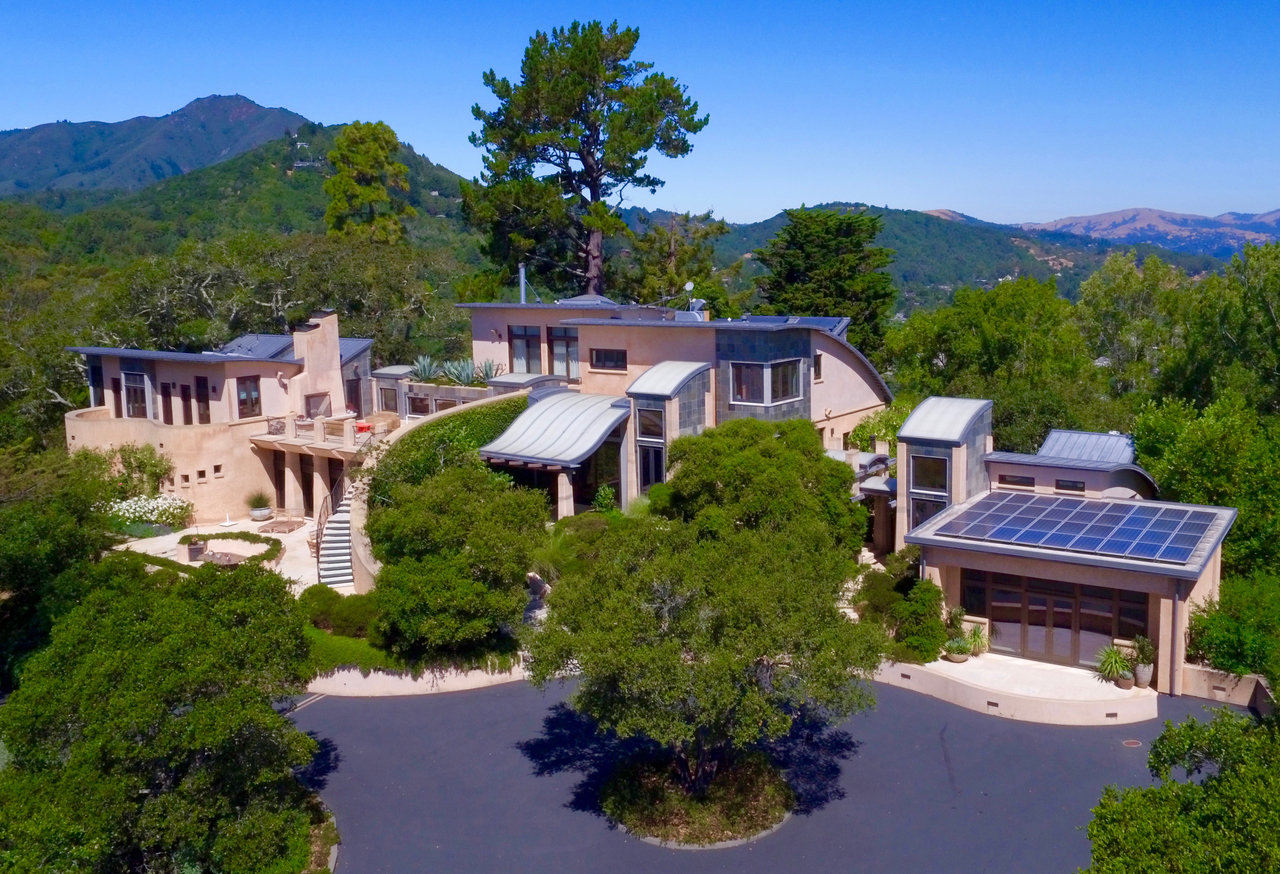
Assessing the criteria that define top-tier sustainable estates reveals a wide gap between superficial marketing claims and genuine systemic engineering. The category of luxury green living usa is frequently sensationalized by luxury real estate brokers and custom home builders. For instance, they use it to describe any sprawling mansion featuring standard rooftop solar panels or energy-saving LED lighting fixtures. However, true environmental integrity, absolute operational efficiency, and long-term architectural resilience require a much deeper standard of evaluation.
A common misconception is that any custom home built with organic hardwood floors or reclaimed stone automatically qualifies as an elite sustainable luxury asset. In reality, large-scale custom estates with massive square footage and unoptimized thermal envelopes operate with staggering embodied carbon footprints despite minor eco-friendly material selections. True leadership-class properties integrate energy generation, water autonomy, and toxic-free material science at the master-planning phase. Furthermore, they couple industrial-grade microgeneration with rigorous passive-house building standards and commercial-grade air purification networks.
Oversimplification risks also plague how affluent buyers and real estate analysts judge these properties. Counting total photovoltaic capacity ignores the critical metric of holistic lifecycle carbon accounting and indoor environmental quality. A residence can feature massive solar arrays, but if its indoor finish materials off-gas volatile organic compounds, the home fails the fundamental criteria of holistic well-being. Consequently, the structural reality of elite sustainable estates relies on simultaneous optimization: minimizing baseline operational energy demands while ensuring uncompromising interior luxury and material purity.
Deep Contextual Background
The evolution of high-end sustainable domestic design emerged from decades of convergence between elite architectural modernism, strict building performance standards, and shifting cultural preferences among affluent homeowners regarding health and environmental accountability. Early iterations of green luxury in the late twentieth century typically manifested as eccentric, experimental earth-sheltered homes. These early projects prioritized ideological minimalism over aesthetic elegance and modern comforts. Consequently, these pioneering developments remained isolated curiosities rather than scalable models for luxury real estate.
By the early 2010s, advancements in building-integrated photovoltaics, high-performance triple-pane glazing, and advanced indoor air filtration revolutionized what was possible in custom residential architecture. Progressive architects began partnering with wealthy clients who demanded uncompromising visual refinement paired with total energy and environmental independence. Specialized engineering firms emerged to design integrated geothermal loops, greywater recovery systems, and smart-home automation dashboards that decoupled luxury residences from vulnerable municipal utility lines.
The turning point arrived when intelligent home management platforms could seamlessly balance real-time energy generation, battery storage state-of-charge, indoor air quality metrics, and water recycling data into a unified interface. This systemic shift allowed forward-thinking property owners to achieve continuous habitation comfort, pristine indoor air, and absolute grid resilience. Furthermore, they accomplished this without sacrificing the grand spatial volumes and bespoke finishes expected in the luxury market.
Conceptual Frameworks and Mental Models
Analyzing how modern sustainable luxury estates operate requires structured mental models. These mental models strip away marketing rhetoric and expose underlying engineering realities.
-
The Biophilic-Performance Equilibrium: This framework evaluates whether a property successfully balances organic, nature-integrated aesthetic design with rigorous quantifiable energy and material efficiency standards.
-
The Embodied Carbon vs. Operational Efficiency Ratio: This model measures whether the environmental toll of extracting and transporting luxury building materials is offset by rapid operational energy savings over the home’s lifecycle.
-
The Closed-Loop Domestic Metabolism: This evaluates whether a residence captures, purifies, and reuses its water and organic waste streams locally rather than exporting burdens to municipal facilities.
-
The Indoor Environmental Quality Index: This structural model assesses air exchange rates, volatile organic compound suppression, and natural daylight distribution across all primary living spaces.
Key Categories or Variations
High-end sustainable residential properties across the United States generally fall into distinct structural categories. Each category is defined by unique geographic challenges, architectural approaches, and operational trade-offs.
-
Net-Zero Coastal Architectural Sanctuaries: Oceanfront estates utilizing corrosion-resistant solar roofs, decentralized desalination systems, and elevated structural pilings.
-
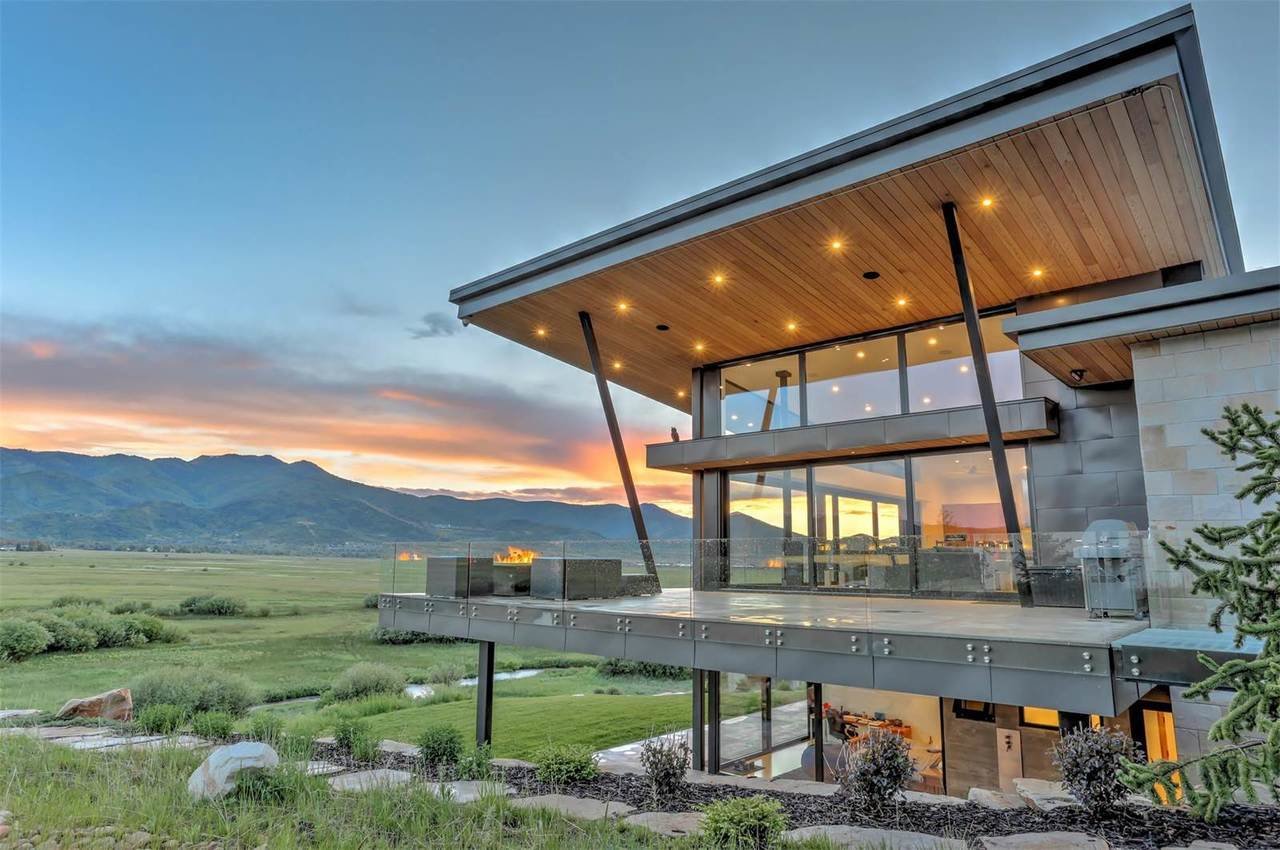
Alpine Biophilic Timber Residences: High-elevation mountain retreats constructed from certified mass timber, featuring multi-tiered biomass heating and triple-pane thermal envelopes.
-
Arid Desert Thermal Mass Compounds: Low-impact desert estates utilizing rammed-earth construction, deep subterranean cooling loops, and extensive water-harvesting cisterns.
-
Urban Eco-Luxury Infill Penthouses: Progressive metropolitan penthouse units integrating living green walls, district geothermal heating, and advanced mechanical air filtration.
-
Suburban Regenerative Estate Compounds: Sprawling acreage properties featuring community-scale solar microgrids, organic permaculture landscaping, and zero-discharge water systems.
-
Forest Wilderness Off-Grid Manors: Isolated timberland properties operating on redundant solar-battery arrays, private spring-box water sources, and advanced wastewater treatment.
Structural Comparison of Luxury Sustainable Property Models
| Property Category | Primary Energy Vector | Water & Material Strategy | Primary Environmental Risk | Resilience Index |
| Coastal Sanctuaries | Building-Integrated Solar PV | Desalination + Rain Catchment | Sea-Level Rise / Salt Corrosion | High |
| Alpine Timber Residences | Rooftop Solar + Biomass Heat | Certified Mass Timber + Triple Glazing | Heavy Snow Loads / Wildfire | High |
| Desert Thermal Compounds | Ground-Mount Solar + Storage | Rammed Earth + Greywater Recycle | Extreme Heat / Water Scarcity | Maximum |
| Urban Infill Penthouses | District Geothermal + BIPV | Living Walls + Advanced Filtration | Urban Shading / Grid Reliance | Moderate-High |
| Wilderness Off-Grid Manors | Solar-Battery Microgrid | Spring-Box Wells + Septic Biofilters | Timber Fall / Isolation | High |
Choosing among these properties requires balancing aesthetic desires against regional climate realities. Coastal sanctuaries offer dramatic ocean views, but they demand rigorous corrosion-resistant engineering. Conversely, desert thermal compounds provide absolute privacy and thermal stability, but they require strict management of cooling loads and water conservation.
Detailed Real-World Resiliency Scenarios
To understand how these theoretical frameworks manifest in actual practice, consider several distinct operational scenarios.
Scenario A: Severe Winter Storm Isolation in Alpine Timber Estates
During a historic multi-day blizzard that cuts off mountain access roads and downs regional transmission lines, an alpine biophilic timber residence isolates its electrical system via an automated transfer switch. Because the home pairs flush-mounted solar arrays with a commercial-grade basement battery bank and a backup biomass boiler, interior heating and luxury amenities function without interruption. However, a second-order effect emerges regarding heavy snow accumulation on roof solar panels; frozen precipitation obstructs generation, forcing automated thermal clearing loops and manual roof maintenance to prevent power deficits.
Scenario B: Extended Summer Heatwaves and Water Scarcity in Desert Compounds
In an arid desert estate situated in the Southwest, an intense summer heatwave drives daytime temperatures above one hundred and ten degrees for weeks. Cooling loads spike across all living pavilions, pushing geothermal circulating pumps to operate continuously. While rammed-earth walls provide superior thermal mass stability compared to standard wood framing, a failure mode occurs if domestic water usage for landscape cooling is not actively managed. Therefore, smart-home automation software automatically implements flow restrictions for decorative water features to preserve primary domestic reserves.
Scenario C: Coastal Hurricane Impact and Salt Spray Degradation
A net-zero coastal architectural sanctuary faces an incoming hurricane that pushes severe storm surge and high winds across local shorelines. The estate’s elevated living levels and marine-grade stainless steel structural fasteners protect core architectural elements from structural failure. While neighboring coastal properties suffer extensive flood and wind damage, the estate’s subterranean battery vaults maintain critical emergency systems. Nevertheless, wind-driven salt spray coats exterior photovoltaic glass, degrading energy capture efficiency until specialized washing crews can safely service the arrays.
Planning, Cost, and Resource Dynamics
The economic architecture of designing and constructing top-tier sustainable luxury estates involves complex interactions between direct capital outlays, premium material sourcing, and specialized engineering expenses.
Upfront investments in luxury green real estate far exceed standard custom home construction budgets. Property owners and project architects must absorb heavy capital expenditures associated with sourcing certified non-toxic building materials, engineering complex geothermal loops, installing commercial-grade battery storage systems, and securing passive-house certifications. These costs are typically offset over time through eliminated monthly utility bills, minimal maintenance overhead, and exceptionally high property resale valuations in an increasingly climate-conscious luxury market.
However, evaluating these figures purely through initial construction costs creates an incomplete picture. The ongoing operational burden requires specialized administrative oversight. Unlike conventional luxury homes serviced entirely by standard residential contractors, sustainable estates demand active asset management teams to monitor smart-home software, service air purification filters, and maintain renewable energy microgrids.
Financial and Operational Resource Metrics
| Cost & Resource Vector | Conventional Luxury Estate | Advanced Sustainable Luxury Estate |
| Initial Architectural & Material Outlay | Standard Framing & Finishes | $+25\%$ to $+60\%$ Premium for Certified Green Systems |
| Monthly Resident Utility Outlay | High Variable Electric, Gas, & Water Bills | Zero-to-Negative Utility Bills; Maintenance Reserves |
| Maintenance Burden | Standard Residential Contractors | Specialized Environmental Systems Service Contracts |
| Indoor Air Quality Management | Standard HVAC Filtration | Hospital-Grade HEPA & VOC Filtration Networks |
| Long-Term Asset Liquidity | Standard Market Depreciation | High Climate-Resilient Valuation Retention |
Tools, Strategies, and Support Systems
Maintaining optimal performance across a complex sustainable luxury property requires sophisticated software, telemetry, and hardware support systems.
-
Whole-House IAQ Monitoring Dashboards: Centralized digital interfaces that track real-time particulate matter, carbon dioxide levels, and volatile organic compound concentrations across every room.
-
Smart Microgrid Energy Management Software: Sophisticated control systems that balance solar photovoltaic generation, battery storage state-of-charge, and electric vehicle charging loads.
-
Geographic Information Systems (GIS): Spatial mapping tools used by landscape architects to design native permaculture zones, optimal solar orientation, and stormwater bioswales.
-
Thermographic Building Envelope Scans: Periodic thermal imaging inspections utilized to identify microscopic air leaks, thermal bridging, or failing insulation seals within the walls.
-
Automated Greywater Reclamation Systems: Advanced filtration units that process sink and shower wastewater for subsurface irrigation use automatically.
-
Smart EV Fleet Charging Coordinators: Software platforms that stagger luxury electric vehicle charging schedules in the garage to prevent household electrical overloads.
-
Remote Telemetry Diagnostics: Cellular and satellite linkups that allow off-site engineering firms to diagnose microgrid or geothermal faults before dispatching technicians.
Risk Landscape and Failure Modes
Every complex technical and architectural system harbors inherent vulnerabilities. A clear-eyed evaluation of sustainable luxury estates requires categorizing compounding risks.
-
Complex Mechanical Interdependency Failures: If a primary geothermal heat pump or central microgrid inverter fails without an automated backup routing path, high-end living zones can experience unexpected climate control loss.
-
Specialized Material Sourcing Delays: Rare certified non-toxic finishes, reclaimed hardwoods, and European triple-pane window systems can experience long procurement lead times during global supply disruptions.
-
Homeowner Association Architectural Friction: Traditional luxury developments with rigid aesthetic guidelines can conflict with modern sustainable features like solar roofs or native drought-tolerant landscaping.
-
Cybersecurity Vulnerabilities in Smart Homes: Internet-connected home automation and microgrid controllers introduce potential vectors for digital intrusion targeting domestic security and power systems.
-
Catastrophic Wildfire and Natural Disasters: Severe wildfires or seismic shifts can inflict physical damage on remote wilderness estates where emergency response times are severely delayed.
Governance, Maintenance, and Long-Term Adaptation
The long-term viability of a sustainable luxury property depends heavily on rigorous institutional maintenance schedules and operational protocols. When initial construction concludes, property management teams must establish strict oversight routines to prevent mechanical and material degradation.
Effective management models incorporate mandatory multi-year asset reserve studies specifically earmarked for infrastructure renewal, such as battery bank replacements, inverter overhauls, and indoor air filter cartridge renewals. Furthermore, comprehensive monitoring logs ensure that electrical safety checks, water purity tests, and geothermal loop calibrations are continuously evaluated.
Layered Maintenance and Review Checklist
-
[ ] Monthly: Review of indoor air quality telemetry logs, HEPA filter status, and microgrid battery efficiency parameters.
-
[ ] Quarterly: Visual inspection of solar photovoltaic arrays, rainwater catchment filters, and automated greywater diversion valves.
-
[ ] Semi-Annually: Software firmware audits for smart-home automation dashboards, security cameras, and EV charging stations.
-
[ ] Annually: Professional laboratory testing of private well water, geological loop calibration, and electrical rapid-shutdown testing.
-
[ ] Triennially: Comprehensive actuarial review of property reserve funds to ensure capital pooling aligns with projected lithium-ion battery replacement timelines.
Measurement, Tracking, and Evaluation
Assessing whether a sustainable luxury estate is fulfilling its operational promise requires tracking a precise balance of technical indicators.
-
Leading Indicators: Metrics that predict future system reliability, such as battery cell temperature stability, indoor air exchange rate consistency, and geothermal pump pressure trends.
-
Lagging Indicators: Historical performance markers, including annual grid power import ratios, cumulative carbon offset verifications, and maintenance expenditure indices.
-
Quantitative Signals: Megawatt-hours generated versus consumed locally, gallons of water recycled, and particulate matter reduction percentages.
-
Qualitative Signals: Resident wellness satisfaction surveys, indoor thermal comfort consistency, and perceived psychological tranquility.
Documentation and Verification Examples
-
Indoor Environmental Quality Audit Reports: Formal laboratory records verifying low VOC levels, optimal humidity ranges, and hospital-grade air filtration efficiency.
-
Passive House Compliance Documentation: Comprehensive engineering calculations confirming airtight building envelope performance and minimal heating demand.
-
Renewable Energy Generation Audits: Detailed data logs tracking cumulative annual kilowatt-hour output against architectural energy models.
Common Misconceptions and Oversimplifications
Dissecting the topic of advanced sustainable luxury real estate requires dismantling persistent myths that cloud public understanding.
-
Myth 1: Luxury green living requires sacrificing aesthetic elegance and spatial comfort. Correction: Modern sustainable architecture successfully combines grand spatial volumes, bespoke artisan finishes, and high-end luxury amenities with rigorous environmental engineering.
-
Myth 2: Solar panels and batteries make a luxury estate entirely independent of utility grids. Correction: The most resilient luxury properties maintain robust grid connections while retaining local islanding capabilities for emergency backup resilience.
-
Myth 3: Eco-friendly building materials require constant manual upkeep. Correction: High-grade certified sustainable materials, such as mass timber and durable stone, often outlast conventional synthetic building products.
-
Myth 4: Indoor air purification systems are unnecessary in remote wilderness locations. Correction: Even in remote areas, seasonal wildfire smoke, pollen, and off-gassing from interior furnishings make advanced mechanical filtration vital for health.
-
Myth 5: Implementing sustainable luxury technology has no financial return on investment. Correction: While upfront capital costs are high, eliminated utility bills, minimal maintenance, and superior asset resale valuation provide strong long-term financial stability.
-
Myth 6: Geothermal heating loops can be installed on any residential parcel without restriction. Correction: Subsurface geological formations, lot size, and local water table regulations dictate whether closed-loop geothermal systems are physically viable.
Ethical, Practical, and Contextual Considerations
Developing extensive sustainable luxury estates introduces significant ethical and socioeconomic questions. Large-scale high-end eco-development can inadvertently accelerate regional gentrification, driving up local real estate costs and displacing service-sector workers. Responsible planning requires integrating affordable housing contributions, ensuring ethical mineral supply chains for photovoltaic cells and batteries, and engaging regional indigenous communities in respectful land stewardship dialogue. Furthermore, respecting local watershed boundaries and preserving surrounding wildlife habitats is essential for long-term harmonious co-existence in sensitive American ecosystems.
Conclusion
The evolution of luxury green living usa represents a fundamental maturation in how affluent homeowners and elite architects approach residential design, material science, and environmental stewardship. Designing, constructing, and maintaining estates capable of sustaining high energy autonomy and pristine indoor health requires deep alignment between architectural physics, advanced mechanical engineering, financial prudence, and long-term asset management.
While challenges remain regarding upfront capital intensity, complex supply chains, and specialized maintenance requirements, these advanced properties offer a resilient blueprint for the future of luxury real estate. Success ultimately relies not on superficial marketing narratives, but on patient adherence to engineering fundamentals, multi-tiered infrastructure redundancy, and adaptive management over decades of continuous habitation.