Premium Solar Roofing Plans: Comprehensive Engineering & BIPV Guide
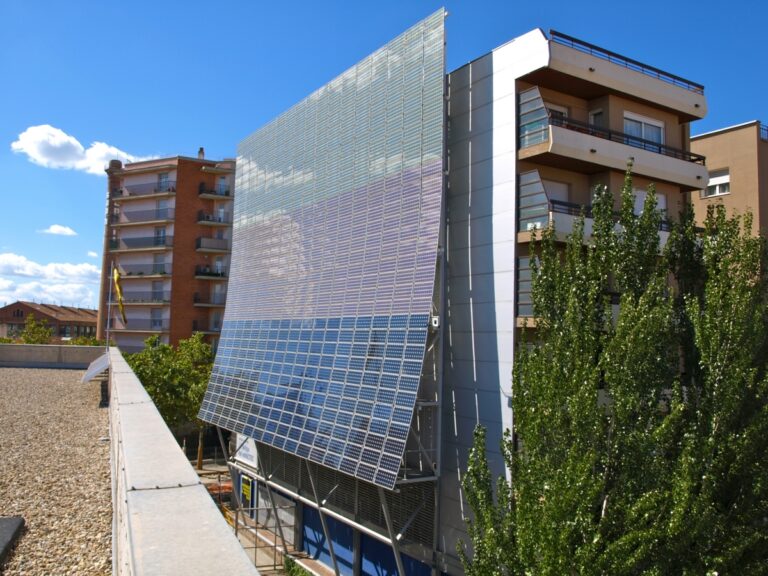
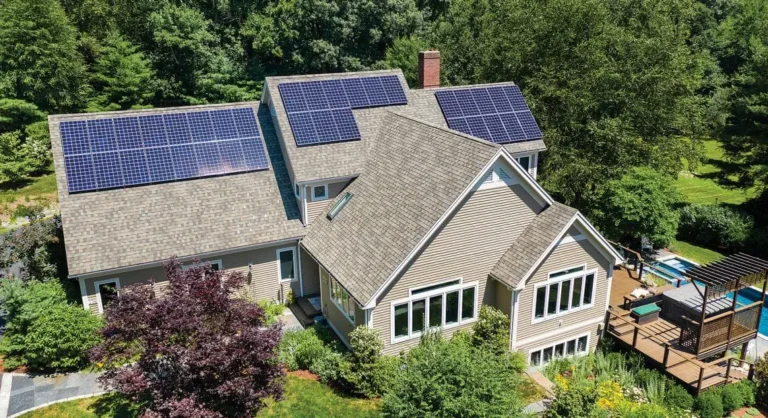
The transition from bolted-on photovoltaic hardware to integrated solar roofing architectures represents a fundamental shift in how modern structures engage with renewable energy. For decades, solar adoption relied on an additive paradigm: traditional roofing materials remained intact, serving their weather-shedding function while metal racking systems and silicon panels were mechanically fastened above them. While economically pragmatic and technically straightforward, this separation created persistent architectural friction. Homeowners, aesthetic preservationists, and commercial developers frequently encountered zoning restrictions and visual compromises when attempting to reconcile industrial-grade glass arrays with conventional asphalt, tile, or slate roofs.
When property owners, designers, and corporate developers begin evaluating market options, the focus of the conversation shifts from merely mounting auxiliary panels to redesigning the entire building envelope. This decision requires a thorough review of various premium solar roofing plans available in the industry, where each layout specification merges durable roofing materials with high-efficiency photovoltaic cells. This complexity extends far beyond selecting module brands; it involves rigorous consideration of structural load capacities, thermal dynamics, cross-trade compatibility, and long-term risk management.
Objectively evaluating this technology landscape requires a careful analytical framework. Stakeholders must weigh initial capital expenditures against the total lifecycle of the building envelope, material temperature coefficients against daily energy yields, and mechanical and electrical maintenance requirements over coming decades. This comprehensive analysis explores the architectural, engineering, and economic dimensions of advanced solar roofing systems to establish a solid reference point for long-term strategic decisions.
Understanding “premium solar roofing plans”
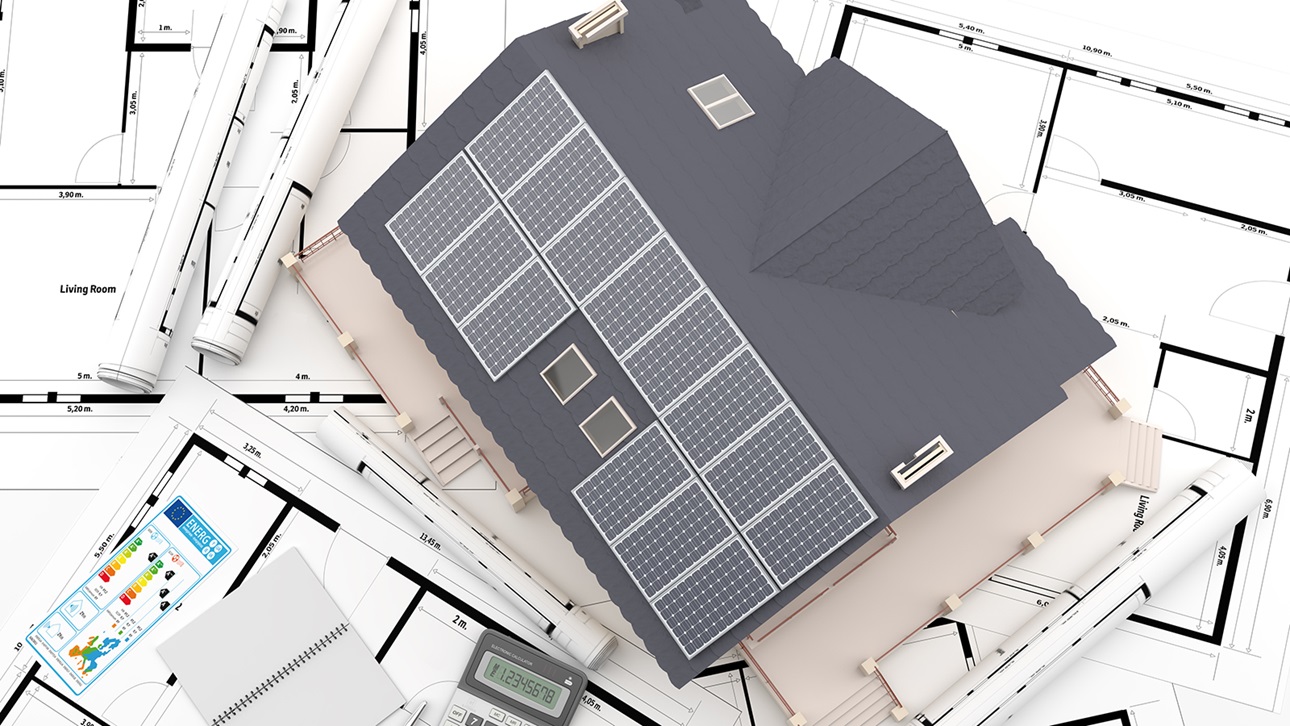
The phrase premium solar roofing plans is frequently misconstrued as a simple marketing brochure for expensive solar roofing products. In engineering and architectural practice, however, this term refers to strategic blueprints, engineering specifications, and execution schedules that precisely align photovoltaic installations with a building’s weather-shedding systems. A common misconception among consumers is assuming that advanced solar roofing layouts can be applied universally across different framing types without significant structural modification.
The primary risk of this oversimplification lies in ignoring the interaction between the dead load of structural glass materials and the bearing capacity of underlying wooden rafters or steel framing. High-end planning demands cross-disciplinary coordination among architects, structural engineers, roofers, and certified electricians. Without a pre-construction-integrated blueprint, projects often face fatal issues like water leaks caused by incompatible flashing penetrations or voltage drops from poor deck ventilation.
Furthermore, superficial financial evaluations often trap buyers in narrow cost-per-watt calculations, ignoring balance-of-system costs, historic district zoning complexities, and dismantling expenses should component failures occur mid-lifespan. Understanding the essence of premium solar roofing planning means looking past laboratory efficiency claims and focusing on overall system durability in real-world environments.
Deep Contextual Background: The Evolution of Solar Roofing Systems
The evolution of solar roofing systems stems from early semiconductor industry experiments to a massive global push toward decentralized renewable power. In early decades, photovoltaic installations almost exclusively utilized standard crystalline silicon modules mounted with aluminum rails on top of conventional asphalt or tile roofs. This additive approach prioritized maximum conversion efficiency and simple module replacement while treating the roof merely as a passive mechanical anchor.
Over time, engineers recognized the aesthetic and aerodynamic limitations of modules elevated on rails. Early integration efforts produced thin-film laminates adhered directly to standing-seam metal roofs. Although offering sleek visual profiles, those early technologies suffered rapid material degradation from intense ultraviolet exposure and delamination issues under daily thermal expansion cycles. Similarly, first-generation rigid solar tiles frequently experienced mechanical failures due to mismatched thermal expansion coefficients between silicon glass and surrounding wooden support structures.
The contemporary landscape emerged through a convergence of high-precision automotive manufacturing techniques, heterojunction (HJT) and passivated emitter rear contact (PERC) photovoltaic cells, and module-level power electronics design. Modern engineering now treats the roof and generation system as a unified macro-system. Mechanical interlock channels, rapid shutdown devices, and concealed busbar paths are cohesively engineered to guarantee that the roof not only generates electricity but also maintains its weather protection function for decades.
Conceptual Frameworks and Mental Models
Navigating advanced solar roofing architecture requires systematic mental models mapping physical, thermal, and economic forces.
1. The Building Envelope Integration Continuum
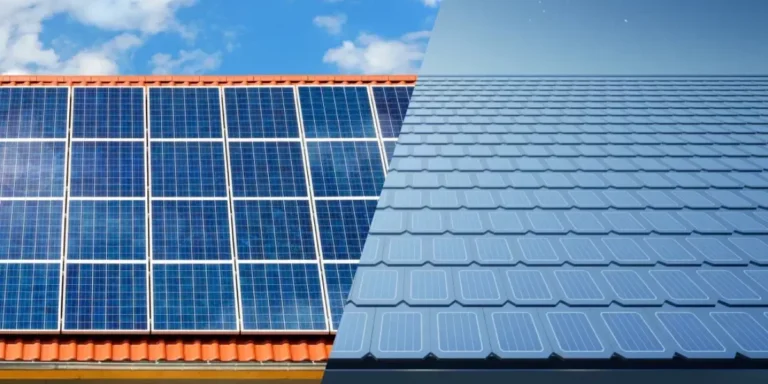
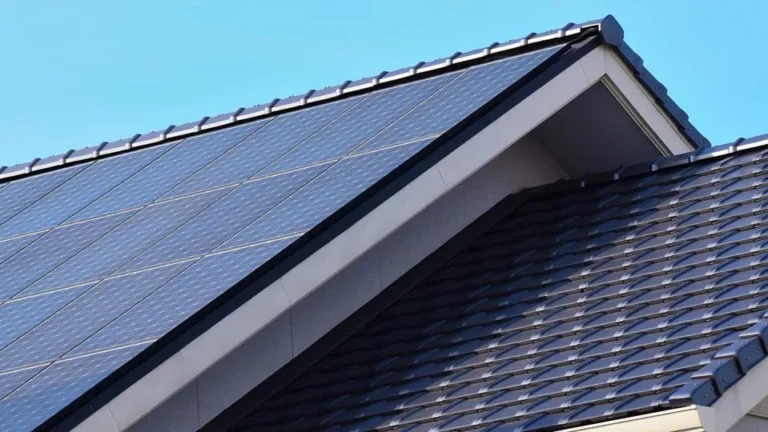
This model places solar technology on a continuous spectrum from purely additive (external rack panels) to fully integrated (structural BIPV tiles). Moving along this spectrum increases aesthetic harmony and wind resistance while simultaneously compounding maintenance access complexity and thermal risks.
2. The Thermal-Electrical Trade-Off Matrix
In semiconductor physics, rising operating temperatures directly lower electrical voltage and daily module efficiency. Flush-mounted solar configurations attached closely to the roof deck tend to trap heat due to the loss of convective cooling channels. This model demands a careful balance between the aesthetic advantages of flush mounting and long-term thermal degradation penalties.
3. The Trade Jurisdiction Convergence Model
Premium solar roof installations cross traditional boundaries among roofers, carpenters, and electricians. This mental model asserts that system longevity is not determined by module quality alone, but by the precision of labor coordination at trade intersection points.
4. Total Cost of Envelope Ownership
This financial model incorporates conventional roof replacement cycles into solar economic analysis. Integrated systems align the technical life of the waterproof membrane with the lifespan of generation equipment, avoiding double-dismantling costs that often appear with rack systems when roofs must be replaced before solar lifespans end.
Key Categories, Variations, and Technical Trade-Offs
The advanced solar roofing market comprises several main architectural categories. Each category presents unique technical compromises regarding weight, conversion efficiency, installation complexity, and operational vulnerability.
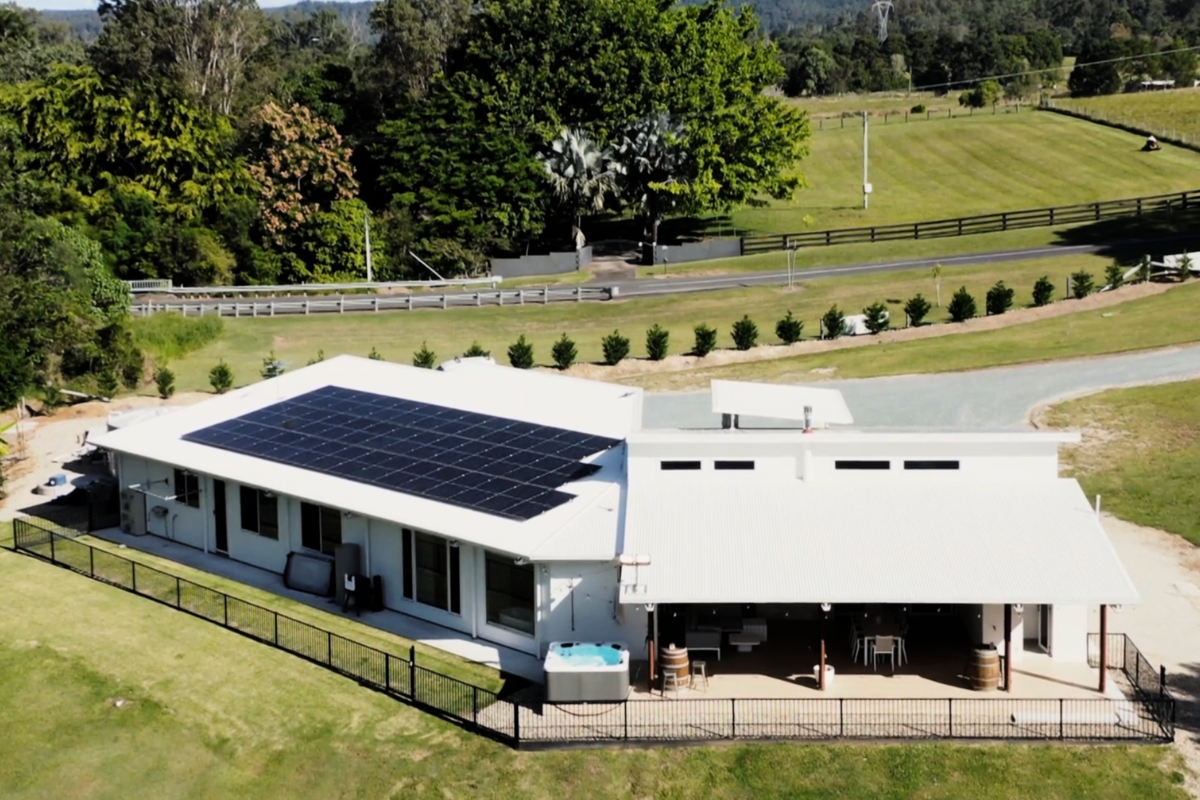
1. Conventional Elevated Rack Systems with Framed Glass Modules
Rigid moncrystalline silicon modules mounted on aluminum rails above the roof deck.
-
Trade-offs: High wind-load profile due to elevation; industrial aesthetic less suited for historic architectural districts; requires mechanical penetrations through the roof membrane.
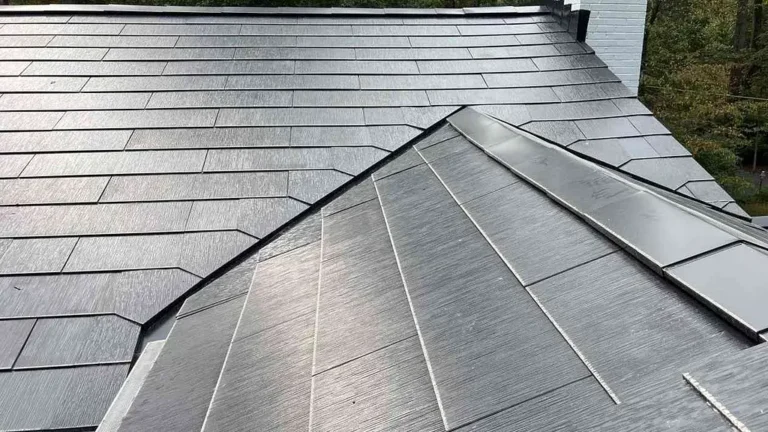
2. Large-Format Rigid Monocrystalline Silicon Tiles
High-density solar cell modules encapsulated between architectural safety glass resembling stone slate tile sizes.
-
Trade-offs: Heavy structural weight requiring rafter capacity verification; complex interlock clip installation procedures; vulnerable to micro-cracks from structural deck deflection.
3. Flexible Thin-Film Polymer Laminates (CIGS/Amorphous)
Lightweight photovoltaic variants without rigid front glass adhered directly to standing-seam metal roof panels.
-
Trade-offs: Lower baseline conversion efficiency compared to crystalline silicon; higher vulnerability to polymer encapsulation layer degradation from intense UV radiation.
4. Photovoltaic Hybrid Asphalt Shingles
Conventional asphalt composite shingle materials integrated with flexible micro-solar cells, allowing installation using standard roofing nails.
-
Trade-offs: Lower power output per square foot; functional lifespan follows traditional asphalt aging cycles; high thermal sensitivity.
5. Heavyweight Structural Glass Slates
High-strength thick glass modules entirely replacing natural slate stone functions on luxury buildings.
-
Trade-offs: Extremely high material and labor costs; special structural engineering requirements to bear dead loads; limited availability of certified installation experts.
6. Ballasted Commercial Membrane Systems
Penetration-free systems using concrete ballast blocks to hold panel frames on flat commercial roofs.
-
Trade-offs: Large vertical dead loads on steel framing; complex seismic planning requirements; risk of wind scour along building perimeters.
7. Bifacial Arrays with High-Reflectivity Roof Membranes
Dual-side panels installed over white or high-albedo cool roof membranes to capture ground-reflected radiation.
-
Trade-offs: Requires specific roof geometry and membrane albedo cleanliness maintenance; higher initial capital outlay; sensitivity to shading on lower module surfaces.
Solar Roofing Categories Comparison Table
| System Category | Typical Efficiency | Weight Load | Installation Complexity | Primary Vulnerability |
| Conventional Elevated Racks | 19% – 23% | Low-Moderate | Low-Moderate | Membrane penetration / Wind |
| Rigid Monocrystalline Tiles | 18% – 22% | Moderate-High | High | Thermal stress / Deflection |
| Flexible Thin-Film Laminates | 10% – 14% | Low | Moderate | UV polymer degradation |
| Hybrid Asphalt Shingles | 12% – 16% | Moderate | Low-Moderate | Composite material wear |
| Structural Glass Slates | 17% – 21% | High | Very High | Point impact / Edge loads |
| Ballasted Commercial Membranes | 18% – 22% | High | Moderate | Deck dead load limits / Edge wind |
Realistic Decision Logic
Selecting technology variations within premium solar roofing plans must follow a step-by-step filtering process:
-
Step 1: Audit structural load capacities and accurately measure roof slope angles. Commercial flat roofs support ballasted systems, while steep residential roofs demand interlocked mechanical systems.
-
Step 2: Map regional climate profiles. Regions with extreme freeze-thaw cycles or ice storms require high-impact-rated glass modules with robust edge seal protection.
-
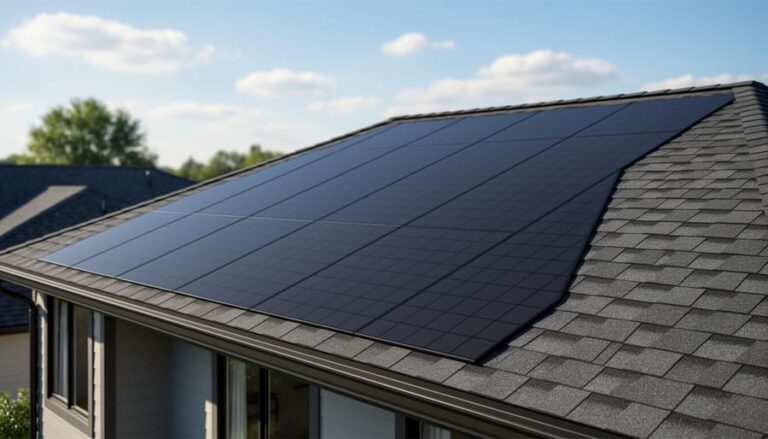
Step 3: Evaluate local zoning aesthetic restrictions. If district building codes ban external rack structures, shift focus to low-profile BIPV systems camouflaging as traditional materials.
Detailed Real-World Scenarios
Deploying advanced solar roofing systems in the field always encounters unique constraints. Five in-depth operational scenarios illustrate these decision dynamics.
A : Historic Conservation District Complex Restoration
-
Context: A large residential property within a heritage conservation zone strictly prohibiting external rack panel installations on main roofs.
-
Constraints: Multi-gabled roof with wooden framing over eight decades old; strict architectural preservation board guidelines.
-
Decision Point: Selecting dark slate-mimicking BIPV systems meeting aesthetic guidelines without requiring destructive structural rafter alterations.
-
Failure Modes: String mismatch from surrounding tree shade; water intrusion risks at complex roof valley junctions.
-
Second-Order Effects: Very high capital expenditures significantly extend simple investment payback periods, shifting project value focus from short-term utility savings to long-term property value preservation.
B : Net-Zero Standard Large-Scale Suburban Development
-
Context: A new housing complex designed to achieve net-zero clean energy consumption under strict regional energy mandates.
-
Constraints: Parallel construction schedules demanding strict synchronization among carpenters, roofers, and electricians.
-
Decision Point: Integrating hybrid asphalt shingles or large-format solar tiles directly during initial roof framing phases to curb parallel labor costs.
-
Failure Modes: Trade coordination errors causing project delays; premature inverter failures from heat accumulation in attic spaces beneath dense arrays.
-
Second-Order Effects: Unifying roof and generation warranties under a single manufacturer simplifies property insurance claims and increases asset resale value.
C : Large-Scale Commercial Logistics Warehouse Retrofit
-
Context: A 5,000-square-meter flat-roofed commercial distribution center with elastomeric membranes nearing the end of functional lifespans.
-
Constraints: Strict vertical dead load limits from lightweight steel frame structures; uninterrupted warehouse operational needs during construction.
-
Decision Point: Executing total membrane replacement paired with lightweight ballasted racks or directly adhered thin-film laminates.
-
Failure Modes: Water ponding accumulation in drainage channels from changed load distributions, triggering localized module delamination and ground-fault currents.
-
Second-Order Effects: Routine maintenance becomes complex; servicing electrical components beneath large ballasted arrays requires time-consuming, expensive partial dismantling.
D : High-Wind Coastal Environment with Corrosive Loads
-
Context: A luxury residential property located directly on the coastline, exposed to high-velocity storms and aggressive marine salt mist.
-
Constraints: Extreme wind uplift pressures; electrochemical corrosion attacking exposed metal components.
-
Decision Point: Specifying high-wind-rated interlock glass tiles with specialized anodized aluminum hardware and marine-grade junction box sealants.
-
Failure Modes: Microscopic salt vapor ingress past aging gasket seals, triggering DC contact corrosion and ground-fault interruptions.
-
Second-Order Effects: Increased scrutiny by property insurance underwriters; mandatory certified post-storm structural and electrical inspections to maintain policy validity.
E : Remote Mountain Cabin with Extreme Snow Loads
-
Context: An off-grid dwelling in high mountain terrain experiencing sub-zero temperatures and heavy snowpacks every winter.
-
Constraints: Immense vertical dead loads from snow accumulation; risk of dynamic snow avalanches damaging roof edge components.
-
Decision Point: Utilizing steep-elevation rack systems equipped with integrated snow guards, or high-strength structural glass slates capable of resisting vertical shear pressure.
-
Failure Modes: Ice dam formation exacerbated by uneven heat retention beneath solar tiles, causing melted water to seep beneath deck membranes.
-
Second-Order Effects: Drastic winter energy production drops from snow cover, requiring much larger backup battery storage capacity designs.
Planning, Cost, and Resource Dynamics
Economic dynamics within premium solar roofing plans vary widely depending on the chosen technology path. Conventional rack systems are priced based on hardware wattage and direct labor hours, while advanced BIPV projects involve complex blends of premium roofing materials, structural engineering, specialized labor, and long-term maintenance management.
Direct costs include photovoltaic modules or tiles, specialized flashing kits, microinverters or power optimizers, rapid shutdown devices, and DC wiring hardware. Indirect costs often form a substantial portion of overall budgets: structural engineering assessments, specialized electrical contractor fees, architectural plan modifications, and dual permits reflecting the hybrid nature of installations.
Opportunity costs also require serious attention. Choosing advanced BIPV systems instead of standard roof replacements plus conventional solar panels ties up substantial financial capital in a single inflexible asset. If electrical component failures occur within rigid tile matrices, repair processes often demand surrounding material removal, creating labor costs far exceeding traditional rack maintenance.
Cost and Resource Dynamics
| Expense Category | Conventional Elevated Rack Systems | Integrated Premium BIPV Systems | Primary Cost Drivers |
| Materials (Per Square Meter) | Low – Moderate | High – Very High | Special glass manufacturing, integrated power electronics |
| Labor Allocation | Standard solar crews / separate roofers | Certified specialized BIPV crews | Cross-skill scarcity, factory training requirements |
| Structural Upgrades | Minimal (Standard dead load) | Moderate – High (Structural glass weight) | Rafter reinforcement, deck leveling, ventilation engineering |
| Permitting & Engineering | Standard electrical / basic building | Comprehensive dual review | Historic district compliance, rapid shutdown validation |
Tools, Strategies, and Support Systems
Executing advanced solar roof projects demands high-precision diagnostic tools and logistical support protocols bridging electrical and building domains.
-
Infrared Thermal Imaging Drones: Used during post-installation commissioning and routine maintenance to detect hot spots, micro-cracks, and connection resistance failures without physical roof damage.
-
Solar Pathfinders and Horizon Analyzers: Precision optical and digital instruments modeling surrounding shadow dynamics, accounting for vegetation growth and architectural obstructions across seasonal solar arcs.
-
Thermodynamic Deck Ventilation Simulation Software: Engineering programs predicting sub-deck heat accumulation, ensuring flush tile installations do not hinder attic airflow or accelerate wood thermal aging.
-
Pneumatic and Water Pressure Flashing Test Equipment: Apparatuses used by general contractors to verify interlock shingle joints and flashing transitions remain waterproof under simulated storm conditions.
-
DC Insulation Resistance Testers (Megohmmeters): Essential electrical diagnostic instruments detecting microscopic moisture and insulation cracks on hidden wiring under roof weather barriers.
-
Manufacturer Precision Installation Jigs: Certified mechanical tools ensuring interlock electrical contact alignment and structural fastening clips remain within millimeter tolerances during installation.
-
Rapid Shutdown Commissioning Kits: Specialized hardware verifying module-level electronics compliance with national electrical codes for emergency responder safety.
Risk Landscape and Failure Modes
The convergence of high-voltage electrical generation and roof weather protection creates a unique risk profile requiring careful failure management taxonomy.
1. Moisture Ingress and Hidden DC Arc Faults
Unlike elevated rack systems where cables hang in open air, connecting wires on integrated solar roofs operate close to the roof deck. If water breaches damaged flashing seals, moisture becomes trapped inside junction enclosures. Over time, electrolytic corrosion damages copper contacts, increases electrical resistance, and triggers dangerous DC electric arcs capable of igniting surrounding wooden framing.
2. Thermal Stress and Silicon Micro-Cracking
Flush-mounting configurations eliminate convective cooling enjoyed by rack panels. High operating temperatures trigger repeated thermal expansion and contraction cycles stressing silicon wafers and solder joints. Continuous mechanical flexing creates invisible micro-cracks inside crystal structures, resulting in progressive power degradation and localized hot spots.
3. Trade Jurisdiction Disputes and Warranty Fragmentation
Complex legal risks involve warranty disputes between roof manufacturers and inverter suppliers. If water leaks beneath BIPV arrays, roof producers can blame electricians for damaging flashing during wiring. Conversely, if inverters fail, solar vendors can claim poor roof craftsmanship caused sub-deck moisture short circuits. Navigating overlapping liabilities requires comprehensive single-source wrap-around warranties.
Governance, Maintenance, and Long-Term Adaptation
Sustaining operational continuity for premium solar roofing systems requires structured maintenance protocols merging traditional roof care with ongoing photovoltaic performance monitoring.
1. Module-Level Health and Performance Monitoring
Advanced solar roof installations must utilize module-level monitoring platforms. Unlike string-level monitoring viewing entire roofs as single entities, tile-level monitoring tracks individual components. Granularity lets operators isolate failure anomalies, shading issues, or cell degradation instantly before systemic failures trigger.
2. Periodic Physical Inspection Protocols
Field physical checks must follow strict seasonal cycles:
-
Post-Winter Review: Inspecting ice dam formation, snow-load structural deflections, and mechanical shifts from freeze-thaw cycles.
-
Post-Extreme Storm Assessments: Utilizing drone thermography and visual checks following windstorms or hail to identify broken glass or loose flashing components.
-
Semi-Annual Electrical Testing: Conducting insulation resistance tests on DC circuits ensuring sub-deck wiring maintains robust dielectric isolation.
3. Adjustment Triggers and Layered Checklists
Property owners must establish quantitative threshold limits triggering corrective maintenance actions:
-
Trigger 1: Daily energy yield drops exceeding 5% on isolated strings, signaling micro-cracks or new shading obstructions.
-
Trigger 2: Any visual sign of ceiling or attic moisture stains directly beneath arrays, demanding immediate water barrier integrity tests.
-
Trigger 3: Repeated ground-fault error codes from inverter units, signaling moisture ingress within DC wiring networks.
Measurement, Tracking, and Evaluation
Assessing long-term performance for premium solar roofing systems requires balancing quantitative electrical metrics against qualitative building envelope indicators.
Quantitative Indicators (Leading vs. Lagging)
-
Leading Indicators: Inverter DC-to-AC conversion efficiency ratios, module operating temperatures relative to ambient air, and dielectric insulation resistance measurements.
-
Lagging Indicators: Annual specific yields (kWh per installed kWp), financial payback velocity, cumulative degradation rates, and total maintenance costs per megawatt-hour generated.
Qualitative Signals
-
Surface aesthetic consistency (absence of color shifts, fading, or anti-reflective coating degradation on individual tiles).
-
Envelope resilience (interior drywall condition showing no moisture signs, rafter structural stability, and attic insulation integrity).
Operational Documentation Examples
To comply with insurance underwriters, warranty providers, and tax incentive authorities, property owners must maintain comprehensive digital logs containing:
-
As-Built Electrical Schematics: Detailed maps showing string layouts, microinverter serial numbers, and rapid shutdown circuit paths.
-
Commissioning Test Reports: Factory flash test data, insulation resistance baselines, and thermal scan results captured immediately after installation completion.
-
Maintenance and Repair Logs: Chronological records of physical inspections, firmware updates, component replacements, and extreme weather incident reports.
Common Misconceptions and Oversimplifications
-
Misconception 1: All solar roofing systems can be installed over existing old roofs without removal processes.
-
Correction: While certain rack panels can mount over single asphalt layers, most premium BIPV systems demand total tear-off down to wooden roof decks to guarantee flawless flashing and waterproofing.
-
-
Misconception 2: Elevated rack systems always permanently ruin roof structural integrity.
-
Correction: When engineered and installed correctly using professional flashing and sealant protocols, rack anchorage systems maintain waterproof integrity throughout their lifespans.
-
-
Misconception 3: Flush solar shingles produce the exact same energy levels as high-elevation rack panels.
-
Correction: Due to absent convective cooling channels beneath flush shingles, operating temperatures surge higher, yielding lower conversion efficiency during peak sunlight hours.
-
-
Misconception 4: If a single solar tile fails, the entire roof weather barrier breaks down immediately.
-
Correction: Modern BIPV systems use redundant interlock flashing channels and secondary underlayment membranes maintaining water protection even if individual photovoltaic tiles stop functioning.
-
-
Misconception 5: High-end solar roof installations require zero maintenance care throughout their lifespans.
-
Correction: Although photovoltaic modules lack moving parts, inverters, electrical connections, and roof flashing still require periodic inspections and component replacements over time.
-
-
Misconception 6: Standard property insurance automatically covers all damage risks to integrated solar roofs.
-
Correction: Because solar roofs drastically increase property replacement values and blur lines between structures and electrical appliances, many insurance firms mandate specific policy endorsements.
-
Ethical, Practical, and Contextual Considerations
Mass adoption of advanced solar roofing technology raises broader socio-technical questions regarding communal energy resilience and urban planning. From a city planning perspective, transforming residential and commercial rooftops into micro-power generators distributes utility grids from centralized models toward rugged peer-to-peer topologies. Nonetheless, this transition demands fair access frameworks. High initial capital costs mean premium BIPV tech remains largely accessible only to high-end property owners or luxury developments, potentially triggering energy resilience gaps in urban communities.
Practically, owners must weigh the physical permanence of integrated systems against the speed of photovoltaic tech innovation. While conventional rack panels can be easily detached and upgraded to high-efficiency modules every fifteen years, replacing an integrated solar roof is a large-scale construction project. Consequently, investing in premium solar roofing plans demands long-term commitments to building envelopes as unified systems where aesthetics, protection, and energy generation bind permanently.
Conclusion and Strategic Synthesis
The evolution of advanced solar roofing planning reflects renewable energy integration maturity within human built environments. Moving beyond simplistic dichotomies between added panels and conventional roofs, modern industries offer broad architectural spectra responding to diverse climate and aesthetic demands. Realizing the full potential of these technologies, however, requires careful navigation of thermal dynamics, structural compromises, and cross-trade logistics management.
By approaching system selection through rigorous analytical frameworks—accounting for total cost of ownership, long-term degradation profiles, and risk governance—property owners and designers can transform building roofs from passive barriers into active, resilient cornerstones for future sustainable architecture.