Best Solar Shingle Options: The Definitive BIPV Guide
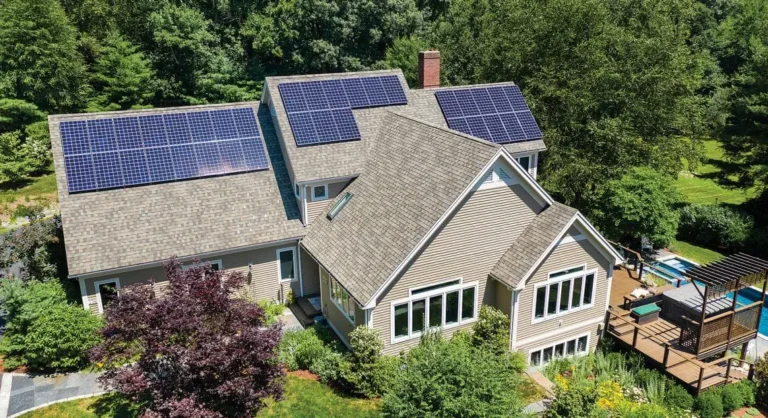
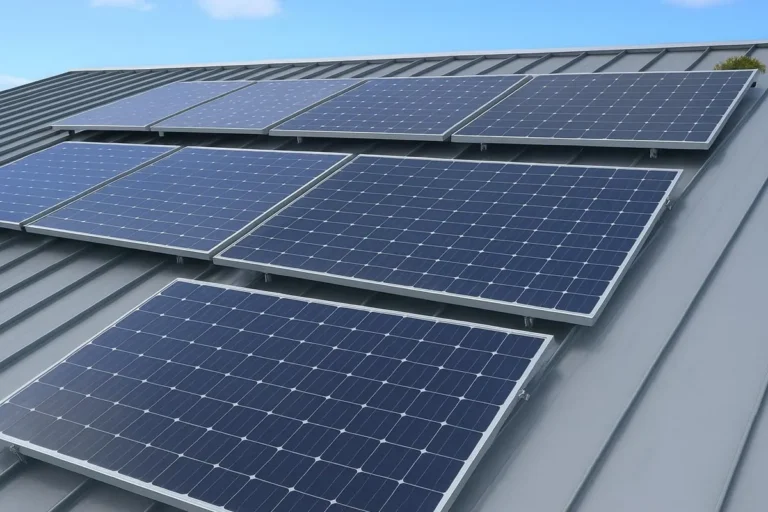
The transition from bolted-on hardware to building-integrated photovoltaics marks a major shift in modern architecture. For decades, solar adoption relied on an additive approach. Traditional roofing materials stayed intact while metal racks and silicon panels were fastened above them. Although practical, this separation created persistent visual friction. Homeowners and historic preservation boards frequently rejected the industrial look of raised glass arrays on standard roofs.
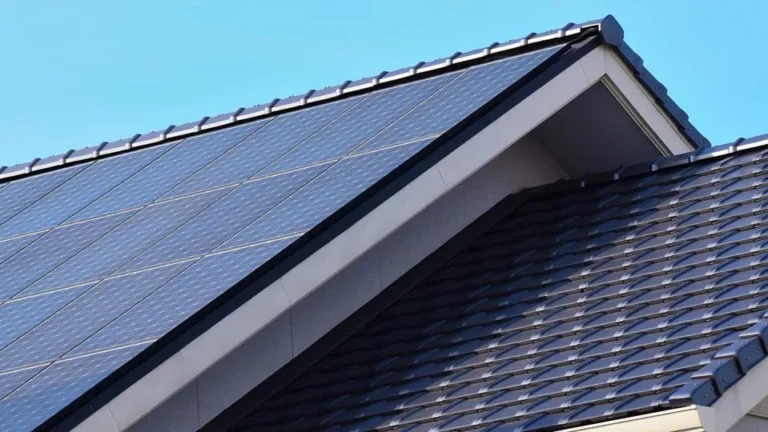
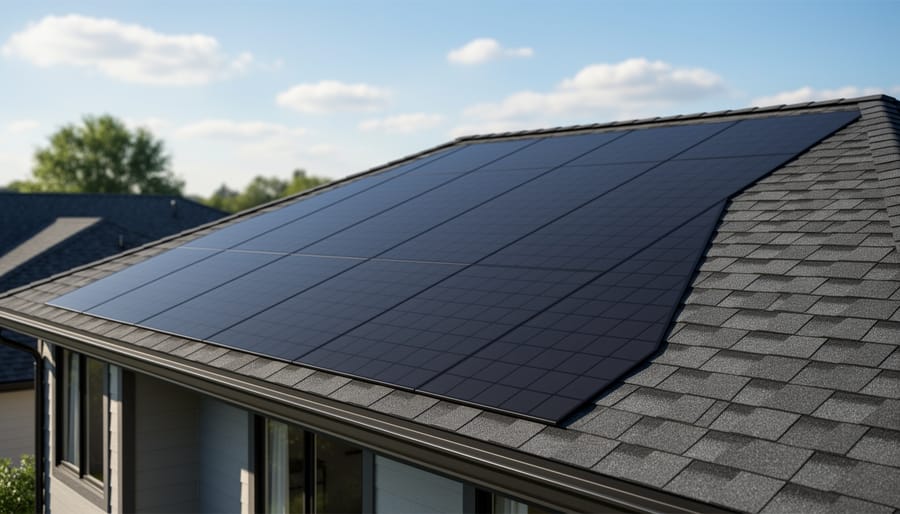
Solar shingles, or building-integrated photovoltaic (BIPV) systems, dissolve this physical boundary. Instead of resting on top of the roof deck, these systems function as the primary weather-shedding surface. Simultaneously, they convert sunlight into direct current electricity. This convergence introduces complex engineering, structural, and financial choices. Therefore, evaluating the market requires looking past simple manufacturer specifications.
Navigating this domain demands an analytical framework that addresses modern construction realities. Evaluating the best solar shingle options involves weighing energy conversion efficiency against thermal retention. Furthermore, buyers must balance mechanical durability against maintenance access, alongside upfront capital costs versus long-term property value. Ultimately, this analysis explores the architectural and economic dimensions of building-integrated solar technologies.
Understanding “best solar shingle options”
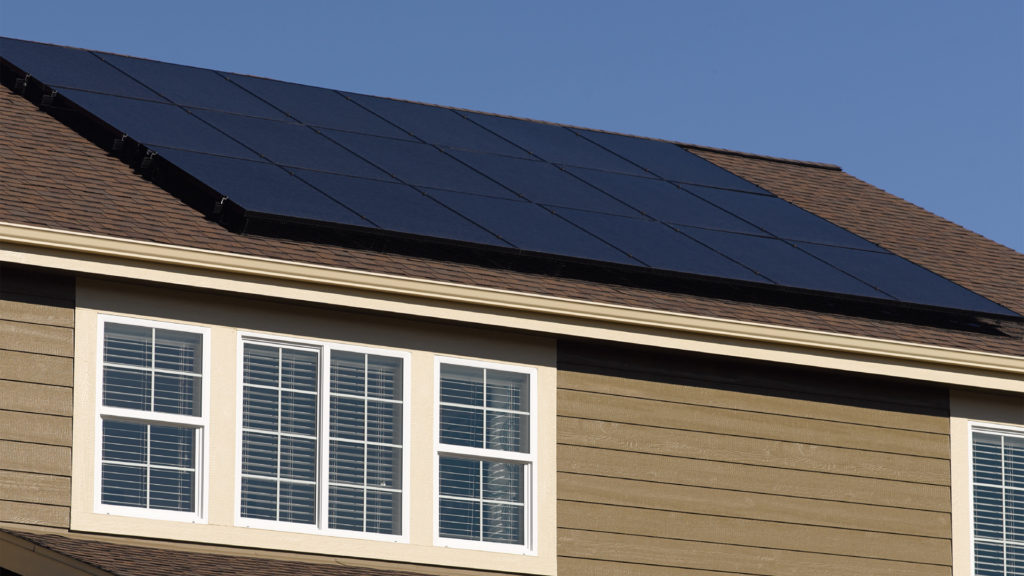
The phrase best solar shingle options often appears as a simple shorthand for finding a drop-in roof replacement. However, this phrasing oversimplifies a deeply diverse technological category. In practice, no single product serves as the optimal choice for every building envelope. For instance, an ideal system for a modern home in a mild climate often fails on a steep, historic gable roof with heavy snow loads.
A common misunderstanding is assuming that solar shingles install just like standard asphalt tiles. Traditional roofers are rarely certified electricians. Conversely, solar installers frequently lack deep expertise in waterproofing and deck ventilation. Because BIPV systems sit right at the intersection of these trades, buyers must examine how well a manufacturer bridges roofing performance with electrical engineering.
Oversimplification risks also plague financial assessments. Buyers frequently evaluate systems purely on a cost-per-watt basis. Consequently, they ignore balance-of-system expenses and specialized structural reinforcement needs. Furthermore, thermal dynamics play a critical role. Traditional panels benefit from open-air cooling underneath. In contrast, flush-mounted BIPV shingles experience higher operating temperatures, which can accelerate thermal degradation over time.
Deep Contextual Background: The Evolution of BIPV
Building-integrated photovoltaics are not entirely new. Their history traces back to early thin-film laminates applied to metal roofs in the late twentieth century. These early versions utilized amorphous silicon on flexible substrates. Although visually subtle, they suffered from low conversion efficiencies and poor long-term weather sealing.
As crystalline silicon matured, manufacturers tried scaling down wafers into smaller roofing tiles. Unfortunately, early commercial products faced severe hurdles. Rigid tiles struggled with thermal expansion mismatches against wood framing. Water leaks at inter-tile joints plagued early deployments, thereby damaging the reputation of BIPV in the mainstream market.
The modern era of solar shingles emerged through advanced automotive manufacturing and high-efficiency PERC technology. Companies started treating the roof as a cohesive macro-system. In this system, electrical busbars, microinverters, and mechanical interlocks are engineered together. This historical shift transformed solar shingles from simple miniaturized panels into robust, weather-tight roofing systems.
Conceptual Frameworks and Mental Models
Navigating building-integrated solar requires structured mental models to map out physical and economic forces.
1. The Envelope Integration Continuum
This model views solar technology on a spectrum from additive rack-mounted panels to fully integrated BIPV shingles. Moving along this continuum increases aesthetic harmony. However, it simultaneously complicates maintenance access and thermal management.
2. The Thermal-Electrical Trade-Off Matrix
In standard photovoltaics, high operating temperatures reduce daily energy yield. Because BIPV systems trap heat due to flush mounting, buyers must balance aesthetic gains against this thermal penalty by focusing on temperature coefficients.
3. The Trade Jurisdiction Convergence Model
BIPV installations cross traditional boundaries between roofing and electrical contractors. Therefore, project longevity depends just as much on labor coordination and local code interpretation as it does on laboratory efficiency ratings.
4. Total Cost of Envelope Ownership (TCEO)
Unlike standard solar evaluated solely against utility bills, TCEO integrates roof replacement cycles. A BIPV system synchronizes the lifespan of the weather membrane with power generation equipment, completely altering long-term financial calculations.
Key Categories, Variations, and Trade-Offs
The market for building-integrated solar comprises several distinct material categories. Each category presents unique compromises regarding weight, efficiency, and installation complexity.
1. Rigid Monocrystalline Glass-Facing Tiles
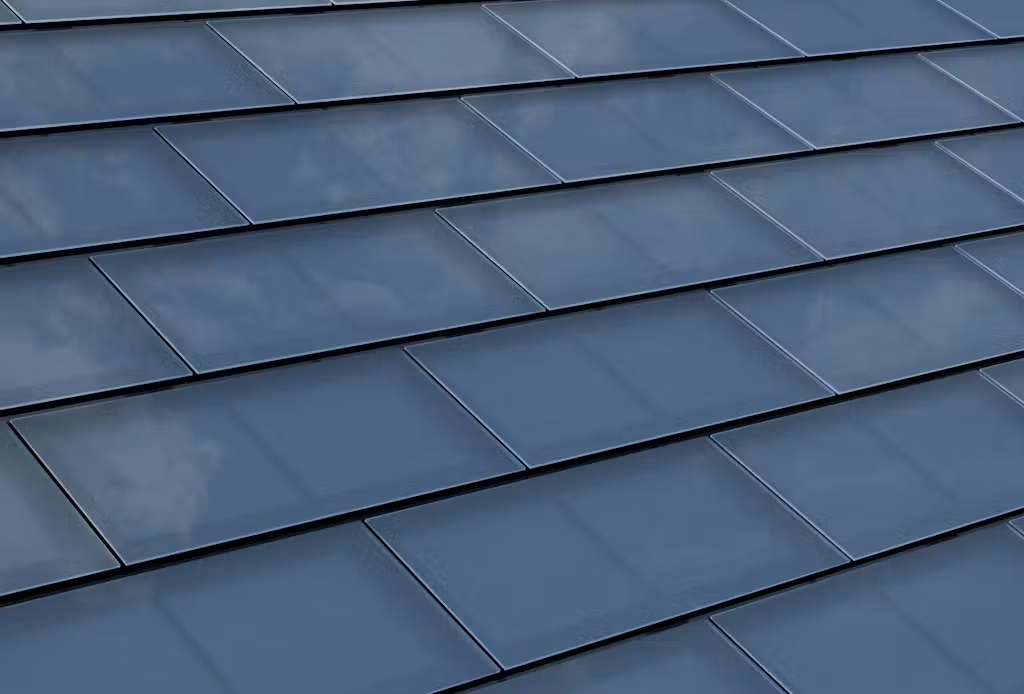
These systems use high-efficiency silicon wafers encapsulated between safety glass. Designed to match slate or large tiles, they offer the highest conversion efficiencies in the BIPV sector.
-
Trade-offs: High structural weight requiring framing verification; complex installation using specialized clips; vulnerable to localized cracking under extreme impact loads.
2. Flexible Thin-Film Polymer Laminates
Utilizing CIGS or amorphous silicon, these lightweight variants require no heavy glass face. They adhere directly to metal roofs or peel-and-stick underlayments.
-
Trade-offs: Lower baseline efficiency than crystalline silicon; higher vulnerability to UV degradation; restricted to specific roof profiles.
3. Modular Solar-Asphalt Hybrid Shingles
These products blend standard asphalt materials with embedded photovoltaic cells. Traditional roofing crews can install them using standard nails and adhesive strips.
-
Trade-offs: Lower wattage output per square foot; shorter overall service life; thermal profiles that mirror traditional asphalt wear.
4. Heavyweight Structural Glass Slates
Engineered for luxury architecture, these thick glass modules replace natural slate entirely, providing exceptional fire resistance and wind ratings.
-
Trade-offs: Extremely high material costs; requires specialized structural engineering review; limited certified installation networks.
Comparison Matrix: BIPV Categories
| Category | Typical Efficiency | Weight Load | Installation Complexity | Primary Vulnerability |
| Rigid Monocrystalline | 18% – 22% | Moderate-High | High | Substrate deflection / Thermal stress |
| Thin-Film Laminates | 10% – 14% | Low | Moderate | UV encapsulation breakdown |
| Solar-Asphalt Hybrids | 12% – 16% | Moderate | Low-Moderate | Aggregate wear / Thermal aging |
| Structural Glass Slates | 17% – 21% | High | Very High | Concentrated impact / Edge damage |
Realistic Decision Logic
Selecting among these variations requires a systematic filtering process based on site constraints:
-
Step 1: Assess structural load capacity. If framing cannot support heavy glass tiles, choose lightweight thin-film or hybrid formats.
-
Step 2: Evaluate local climatic extremes. In hail-prone regions, prioritize impact-rated glass configurations.
-
Step 3: Analyze roof geometry. Complex hip-and-valley roofs generate electrical mismatch with rigid tiles, making smaller modular units more practical.
Detailed Real-World Scenarios
To understand how these systems perform outside the laboratory, consider four operational scenarios characterized by unique constraints and decision frameworks.
A : Historic District Renovation
-
Context: A residential property inside a historic district where traditional rack-mounted panels are strictly prohibited.
-
Constraints: Strict visual conformity rules; multi-gabled roof geometry with aging framing.
-
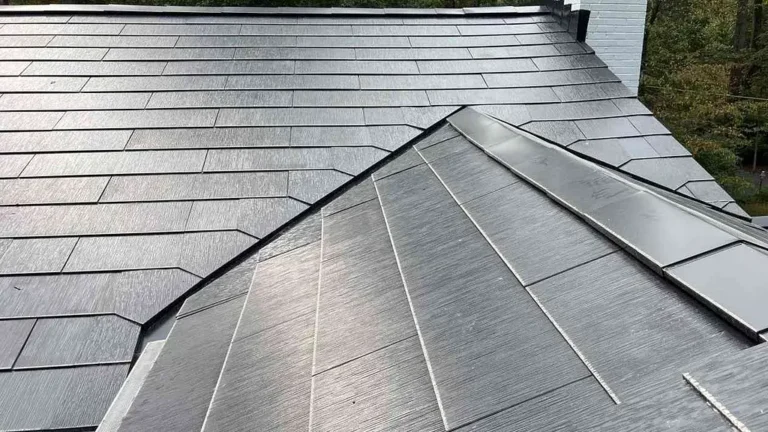
Decision Points: Selecting a dark, slate-mimicking BIPV system that satisfies preservation guidelines without requiring major structural retrofits.
-
Failure Modes: Electrical string mismatch caused by tree shading; water leaks at complex valley junctions due to improper flashing.
-
Second-Order Effects: High capital expenditure extends the simple payback period, shifting the core value proposition to property preservation.
B : New Construction Net-Zero Suburban Development
-
Context: A tract of new single-family homes designed to achieve net-zero energy use.
-
Constraints: Trusses engineered for standard loads; strict construction timelines.
-
Decision Points: Integrating modular solar-asphalt hybrid shingles during initial framing to offset labor costs.
-
Failure Modes: Coordination failures between roofers and electricians causing project delays; premature inverter failures from poor attic ventilation.
-
Second-Order Effects: Synchronizing roof and solar warranties simplifies insurance claims and home resale disclosures.
C : Commercial Low-Slope Retrofit with Parapets
-
Context: A low-rise commercial building incorporating sustainable roofing across a wide expanse.
-
Constraints: Extensive HVAC penetrations; low structural slope requiring specialized water membranes.
-
Decision Points: Evaluating whether BIPV shingles offer advantages over traditional ballasted commercial arrays.
-
Failure Modes: Debris accumulation and standing water in drainage channels, leading to module delamination.
-
Second-Order Effects: Maintenance becomes hazardous, as servicing components beneath low-slope BIPV arrays requires partial membrane deconstruction.
D : High-Wind Coastal Environment
-
Context: A residential property situated on a coastline prone to hurricane-force winds and salt spray.
-
Constraints: High wind uplift pressures; corrosive marine atmosphere attacking electrical busbars.
-
Decision Points: Specifying high-wind-rated interlocking glass tiles with corrosion-resistant mounting clips and marine-grade sealants.
-
Failure Modes: Salt mist ingress past degraded gaskets leading to arc faults; edge-lift fatigue causing mechanical failure during storms.
-
Second-Order Effects: Increased insurance scrutiny; mandatory post-storm structural inspections.
Planning, Cost, and Resource Dynamics
The economic framework of building-integrated solar differs from traditional setups. While standard arrays focus on hardware wattage, BIPV installations involve roofing materials, structural engineering, and specialized labor.
Direct costs encompass the photovoltaic shingles, proprietary flashing kits, microinverters, and balance-of-system hardware. Indirect costs often form a substantial portion of the budget. These include structural engineering assessments, specialized electrical contracting fees, and complex permitting fees.
Opportunity costs also require careful thought. Choosing a high-end BIPV system instead of a standard roof plus separate solar ties up significant capital in one asset. If an electrical component fails early, repairs may require removing surrounding roofing materials, driving up labor expenses.
Range-Based Cost and Resource Dynamics
| Expense Category | Traditional Roof + Standard Solar | Premium BIPV System | Key Cost Drivers |
| Materials (Per Sq. Ft.) | $4.00 – $9.00 | $15.00 – $35.00 | Glass manufacturing, integrated power electronics, custom framing compatibility |
| Labor Allocation | Split (Roofers + Solar Installers) | Unified (Specialized BIPV Crews) | Trade scarcity, cross-training requirements, complex flashing integration |
| Structural Upgrades | Minimal (Standard Dead Load) | Moderate-High (Additional Glass Weight) | Roof truss reinforcement, deck leveling, ventilation engineering |
| Permitting & Engineering | Standard Electrical / Building | Comprehensive Dual-Trade Review | Historic district compliance, structural load calculations, rapid shutdown validation |
Tools, Strategies, and Support Systems
Executing a successful building-integrated solar project requires specialized tools, diagnostic protocols, and logistical support frameworks.
-
Thermal Imaging Infrared Drones: Used during post-installation checks to detect hot spots and micro-cracks across flush arrays without destructive access.
-
Solar Pathfinders: Precision optical instruments used during planning to model complex shading dynamics across seasonal solar arcs.
-
Ventilation Modeling Software: Thermodynamic software used to simulate sub-deck heat accumulation, ensuring flush installations do not accelerate roof deck aging.
-
Flashing Integrity Testers: Pneumatic and water-spray equipment used by contractors to verify that interlocking joints maintain waterproof seals.
-
Insulation Resistance Testers (Megohmmeters): Electrical diagnostic tools designed to detect moisture ingress in hidden DC wiring harnesses.
-
Installation Jigs: Proprietary mechanical alignment tools supplied by manufacturers to ensure precise placement of electrical contacts.
-
Rapid Shutdown Kits: Testing hardware designed to verify that module-level power electronics comply with safety mandates.
Risk Landscape and Failure Modes
The convergence of high-voltage electricity and weather-shedding roofing creates a distinct risk profile. Understanding these failure modes is critical for asset protection.
1. Moisture Ingress and DC Arc Faults
Unlike standard solar wiring suspended in open air, BIPV wiring operates near the roof deck. If water bypasses shingle seals, moisture accumulates in junction enclosures. Over time, electrolytic corrosion increases resistance and precipitates dangerous DC electric arcs.
2. Thermal Stress and Micro-Cracking
Flush mounting eliminates convective cooling channels. High operating temperatures induce thermal expansion cycles that stress silicon wafers. This continuous mechanical flexing leads to invisible micro-cracks, resulting in progressive power loss and hot spots.
3. Warranty Fragmentation
A complex legal risk involves warranty disputes between roofing manufacturers and electrical suppliers. If a leak develops, the roofer might blame the electrician. Conversely, if an inverter fails, the solar vendor might blame sub-deck moisture. Navigating this requires comprehensive, single-source wrap-around warranties.
Governance, Maintenance, and Long-Term Adaptation
Maintaining an integrated solar roof requires a structured operational protocol bridging traditional roof care with photovoltaic monitoring.
1. Continuous Health Monitoring
Modern BIPV deployments rely on module-level monitoring platforms. Unlike string-level systems, module-level electronics track individual tiles. This granularity lets operators isolate failing shingles instantly before system-wide issues arise.
2. Periodic Physical Inspection Protocols
Physical inspections should follow a structured seasonal cadence:
-
Post-Winter Review: Inspect for ice dams, snow-load deflection, and freeze-thaw displacement.
-
Post-Storm Assessment: Utilize drone thermography following high winds to identify cracked glass faces or loose flashing.
-
Bi-Annual Electrical Testing: Conduct insulation resistance tests on DC circuits to verify dielectric isolation.
3. Adjustment Triggers
Property owners must establish clear thresholds that trigger corrective actions:
-
Trigger 1: A sudden drop exceeding 5% in daily yield across an isolated string, indicating micro-cracking or shading.
-
Trigger 2: Any visible sign of attic moisture staining beneath the BIPV array, necessitating immediate water-barrier testing.
-
Trigger 3: Persistent ground-fault error codes, signaling moisture inside the DC wiring network.
Measurement, Tracking, and Evaluation
Assessing ongoing performance requires balancing quantitative electrical metrics with qualitative building envelope indicators.
Quantitative Indicators
-
Leading Indicators: Inverter conversion efficiency ratios, module operating temperatures, and insulation resistance measurements.
-
Lagging Indicators: Specific yield annually, financial payback velocity, cumulative degradation rates, and maintenance costs per megawatt-hour.
Qualitative Signals
-
Aesthetic consistency (absence of color shifting or coating degradation across tiles).
-
Envelope resilience (uncompromised interior drywall, absence of attic odors, and stable structural deflection).
Documentation Examples
Property owners should maintain a digital operations log containing:
-
As-Built Electrical Schematics: Detailed maps showing string layouts and rapid shutdown paths.
-
Commissioning Test Reports: Initial flash test data and thermal imaging scans captured post-installation.
-
Maintenance Logs: Chronological records of inspections, firmware updates, and component replacements.
Common Misconceptions and Oversimplifications
The discourse surrounding building-integrated solar is frequently obscured by marketing claims. Addressing these misconceptions ensures realistic expectations.
-
Misconception 1: Solar shingles are as easy to install as standard asphalt shingles.
-
Correction: BIPV installation requires certified dual-trade expertise, integrating complex wiring and waterproofing details that exceed standard roofing labor.
-
-
Misconception 2: Flush-mounted BIPV systems produce the same yield as elevated panels.
-
Correction: Due to a lack of convective cooling, operating temperatures run higher, resulting in lower conversion efficiency during peak thermal hours.
-
-
Misconception 3: If a solar shingle fails, it compromises the entire roof’s weather barrier.
-
Correction: Modern systems use redundant interlocking channels designed to maintain water-shedding integrity even if an individual tile fails.
-
-
Misconception 4: BIPV systems last indefinitely without maintenance.
-
Correction: While structural glass lasts long, power electronics like microinverters operate on shorter replacement cycles requiring occasional service.
-
-
Misconception 5: All solar shingles are universally compatible with any roof pitch.
-
Correction: Weight loads, minimum slope requirements, and thermal expansion compatibility severely restrict eligible building types.
-
-
Misconception 6: Traditional home insurance policies automatically cover BIPV damage.
-
Correction: Because BIPV systems increase replacement costs, many insurers require specific policy endorsements or independent valuation riders.
-
Ethical, Practical, and Contextual Considerations
The widespread adoption of building-integrated solar introduces broader questions regarding energy resilience and urban development. From a planning perspective, turning rooftops into distributed micro-generators transforms municipal grids from centralized networks into decentralized loops. However, this transition requires equitable access frameworks. High capital costs mean advanced BIPV technologies remain accessible mostly to high-income property owners, potentially creating an energy-resilience divide.
Practically, property owners must weigh system permanence against the rapid pace of photovoltaic innovation. While traditional panels can be unbolted and upgraded every fifteen years, replacing an integrated BIPV roof is a major structural undertaking. Consequently, investing in building-integrated solar requires a long-term commitment to treating the building envelope as an interconnected socio-technical system.
Conclusion and Strategic Synthesis
The evolution of building-integrated photovoltaics marks a maturing of renewable energy integration within the built environment. Moving beyond industrial aesthetics, modern BIPV technologies offer a sophisticated synthesis of shelter and power generation. However, realizing their potential requires navigating complex thermal dynamics, structural trade-offs, and multi-trade logistics.
Evaluating available choices demands moving past simplified consumer comparisons to examine total envelope ownership costs and long-term thermal profiles. By approaching building-integrated solar with analytical depth, property owners can transform the roof from a passive barrier into an active, resilient cornerstone of sustainable architecture.